2026 Top Stainless Steel Valves Buying Guide for Global Importers
When it comes to purchasing stainless steel valves, importers face numerous challenges. The sheer variety of options can be overwhelming. From designs to specifications, every detail matters. Selecting the right valve not only impacts performance but also affects overall project success. Global demand for quality stainless steel valves continues to rise, making informed choices essential.
Understanding the intricacies of stainless steel valves enhances decision-making. It involves knowing the material grades, pressure ratings, and application suitability. Moreover, the supplier’s reputation plays a crucial role. Not every manufacturer meets high standards. Some products may lack durability, leading to costly failures. Buyers should seek reliable sources.
This guide aims to simplify the buying process for importers. It provides critical insights and practical tips. By navigating the complexities of stainless steel valves carefully, importers can avoid pitfalls. Investing time in research pays off. A well-informed selection ensures long-lasting performance and customer satisfaction.
Overview of Stainless Steel Valve Types and Their Applications
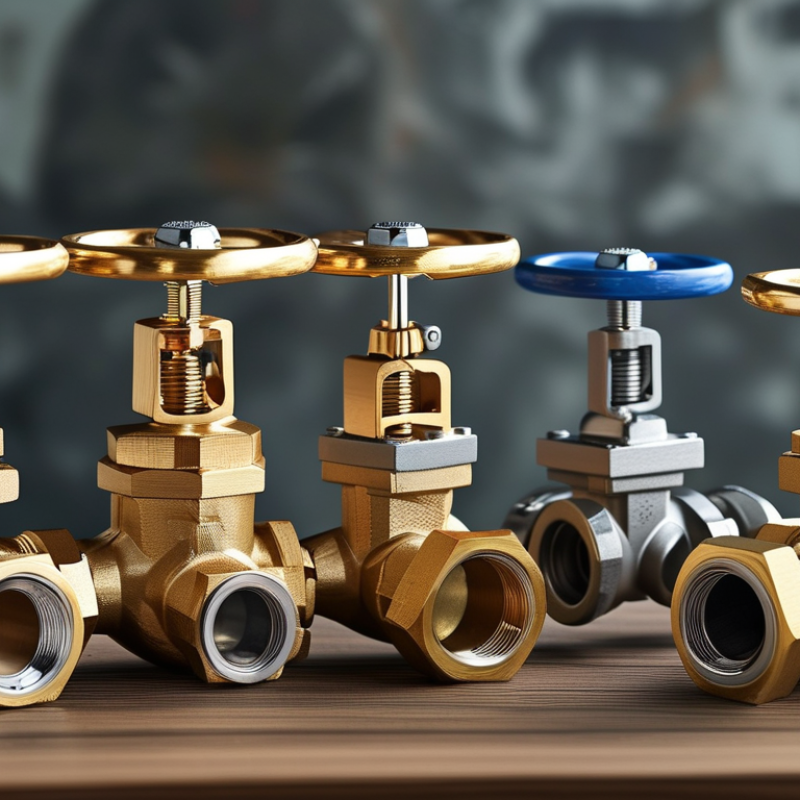
When exploring stainless steel valves, it's important to understand the main types and their applications. Ball valves are highly popular due to their robust design and excellent sealing capabilities. They are commonly used in water systems and oil applications. Their simplicity makes them reliable choices for flow control. However, they can be costlier than other options.
Gate valves are another type, often used in pipelines to start or stop flow. They perform well in full-open or full-closed positions but are not ideal for throttling. While they can handle high pressures, care is needed to avoid damage during operation.
Check valves prevent backflow and are essential in many systems. They work automatically, which is a great advantage, but they may not respond quickly to flow changes. Understanding the pros and cons of each valve type will enhance purchasing decisions, reflecting not just on functionality but also on long-term reliability.
Key Material Specifications and Standards for Stainless Steel Valves
When selecting stainless steel valves, understanding material specifications is crucial. Stainless steel grades like SS304 and SS316 are commonly used. They offer corrosion resistance, which is essential in many environments. The choice of grade impacts durability and performance. For critical applications, SS316 is preferable due to its enhanced corrosion resistance.
Tips for buyers: Always check the certification of materials. Look for compliance with standards such as ASTM and ANSI. These standards ensure quality and consistency in manufacturing processes.
Different applications require specific standards. For example, food and beverage industries often need valves with hygienic design. Specifications also vary based on pressure and temperature ratings. Pay attention to the valve's size and type to match your system requirements.
It’s important to remember that not all suppliers maintain high standards. Sometimes, cheaper options may compromise quality. Research supplier credibility and reviews before making a purchase. This diligence can save you from future failures or costly replacements.
Market Trends: Global Demand and Supply of Stainless Steel Valves (2026)
The global demand for stainless steel valves is on the rise as industries seek durable and reliable solutions. This trend is partly driven by the growing focus on sustainability. Stainless steel is corrosion-resistant and recyclable, making it an attractive choice for many sectors, including oil and gas, food and beverage, and pharmaceuticals. However, the increasing demand also raises concerns about supply chain stability. Factors like material shortages and geopolitical tensions can disrupt procurement.
In 2026, importers must be vigilant about market fluctuations. Staying informed about raw material availability is essential. For instance, alloy prices can shift quickly based on global market conditions. Importers should consider diversifying suppliers to mitigate risks. This approach can enhance reliability but requires careful evaluation of supplier capabilities and quality standards, especially for critical applications.
Despite the optimistic outlook, challenges persist. Not all manufacturers meet the required specifications or industry standards. It’s vital for buyers to conduct thorough audits before finalizing contracts. This diligence ensures accountability and quality assurance. Without a robust assessment process, companies risk facing compliance issues, which could lead to costly setbacks in production.
Factors Influencing Stainless Steel Valve Pricing: A Data-Driven Approach
Pricing for stainless steel valves can be complex. Various factors play a significant role in determining costs. Key elements include raw material prices, manufacturing processes, and market demand. Fluctuations in global nickel prices often lead to changes in valve costs.
Additionally, the valve's specifications matter. Standard sizes are typically less expensive than custom designs. Production techniques also impact pricing; advanced manufacturing methods may increase costs. When considering a purchase, importers should examine these details carefully.
Moreover, understanding market trends is crucial. Demand in different industries can shift rapidly. Monitoring these trends helps importers make informed decisions. While the pricing landscape might seem straightforward, multiple layers add complexity. Reflecting on these factors can lead to better purchasing outcomes.
2026 Top Stainless Steel Valves Buying Guide for Global Importers
| Valve Type |
Material Grade |
Size Range (inch) |
Pressure Rating (PSI) |
Average Price (USD) |
| Ball Valve |
316 |
0.5 - 12 |
150 - 600 |
$50 - $300 |
| Gate Valve |
304 |
2 - 24 |
150 - 900 |
$70 - $450 |
| Check Valve |
316L |
1 - 10 |
150 - 300 |
$40 - $250 |
| Butterfly Valve |
CF8M |
2 - 14 |
150 - 600 |
$60 - $280 |
| Globe Valve |
321 |
0.5 - 6 |
150 - 600 |
$80 - $400 |
Best Practices for Selecting Reliable Suppliers in the Stainless Steel Industry
Selecting reliable suppliers in the stainless steel industry is crucial. Importers must evaluate potential partners carefully. Start by assessing a supplier’s reputation. Look for industry certifications that demonstrate quality standards. A solid track record in the stainless steel market reflects a commitment to excellence. Engage with other importers to gather feedback about their experiences. Cultivating connections can yield valuable insights.
Next, communication plays a key role in supplier relationships. A responsive supplier indicates a professional attitude. Delays or unclear communication may signal future challenges. When selecting a supplier, it is essential to request samples. This step ensures that their products meet your specific requirements. Don’t underestimate the importance of physical inspection. While many suppliers claim quality, seeing it firsthand is irreplaceable.
However, be aware that not every supplier delivers as promised. Some may cut corners to reduce costs. This can affect product quality, leading to significant issues down the line. It’s wise to establish a set of criteria to help filter out unreliable suppliers. Constant vigilance and thorough evaluation are necessary in this competitive landscape. Relying solely on price can lead to poor outcomes. Quality should always be the priority.