2026 Top Dynamic Gas Distribution Instrument for Global Buyers?
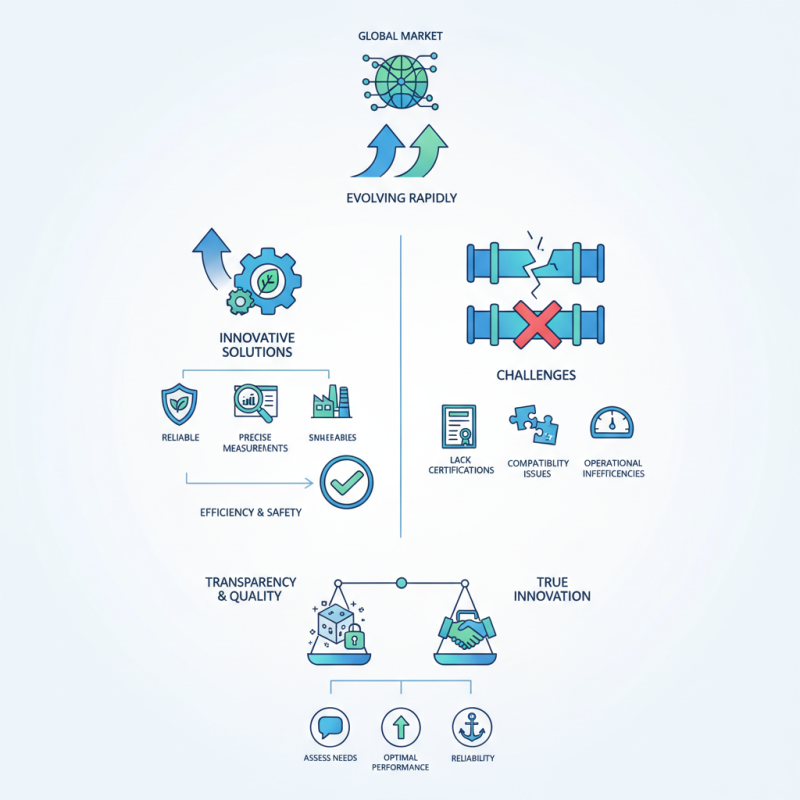
The global market for Dynamic Gas Distribution Instruments is evolving rapidly. Buyers are increasingly seeking reliable and innovative solutions for gas distribution. This trend highlights the importance of understanding these instruments' impact on efficiency and safety in various industries.
Dynamic Gas Distribution Instruments play a critical role in optimizing gas supply. Their advanced features allow for precise measurements and better management of gas systems. Yet, not all available options meet the highest standards. Some instruments may lack the necessary certifications or face compatibility issues, which can lead to operational inefficiencies.
As buyers explore their options, transparency and quality become paramount. Each instrument should provide accurate data and ensure safety compliance. However, it is vital to reflect on suppliers' reputations in this space. Not every tool labeled "dynamic" offers true innovation. Buyers need to assess their specific needs and choose accordingly, ensuring optimal performance and reliability.
Overview of Dynamic Gas Distribution Instruments in 2026
In 2026, the demand for dynamic gas distribution instruments is expected to surge. This is primarily driven by increases in natural gas consumption worldwide. According to a recent report by the International Energy Agency, global natural gas demand is projected to rise by over 30% by 2030. This underscores the need for accurate and efficient gas distribution technologies.
Dynamic gas distribution instruments play a crucial role in ensuring safety and efficiency in gas operations. Effective monitoring helps in preventing leaks and optimizing flow rates. Industry experts emphasize the significance of reliable instruments to maintain compliance with regulatory standards. Current estimates suggest that dynamic gas distribution systems could minimize operational costs by up to 15%.
However, there are challenges. Many existing instruments may not meet the evolving technological standards. Upgrading to the latest technologies often requires significant investment. Potential buyers must carefully assess the reliability of new devices. Data from industry surveys indicates that around 40% of users express concerns about transitioning to advanced systems. This highlights a critical area for improvement within the industry. Thus, while the landscape for dynamic gas distribution instruments is promising, caution and due diligence remain essential for stakeholders.
Key Features to Look for in Gas Distribution Instruments
When exploring gas distribution instruments, several key features stand out. Accuracy in measurement is vital. Instruments should provide precise data to ensure safety and efficiency. A calibration option must be available, allowing users to maintain accuracy.
Another important feature is durability. Instruments should withstand harsh environments. Materials used in construction must resist corrosion. This extends the life of the equipment, reducing the need for replacements. Ease of use is also essential. Intuitive interfaces help operators with minimal training. Clear displays and simple controls enhance overall functionality.
Connectivity options contribute to the instrument’s versatility. Wireless capabilities allow for remote monitoring. This feature is especially useful in hard-to-reach areas. Data logging and analysis tools help users track performance trends. These insights can lead to better decision-making. Yet, manufacturers should prioritize data security, ensuring safe information transfer.
Leading Global Manufacturers of Dynamic Gas Distribution Instruments
As the demand for efficient gas distribution grows, the importance of dynamic gas distribution instruments becomes clear. These instruments are crucial for regulating and measuring gas flow in various industries. Global manufacturers are continually innovating to meet these needs.
Leading manufacturers invest heavily in research and development. This focus enhances their ability to produce high-quality instruments. Many companies also prioritize user-friendly designs, aiming for seamless integration into existing systems. Accuracy and reliability are non-negotiable features for market leaders. Consumers expect durable instruments that can withstand harsh conditions.
Despite advancements, challenges remain in the industry. Issues like calibration errors and maintenance requirements are still present. Companies must address these flaws to improve user experience. Potential buyers should consider these factors when evaluating options. Balancing cutting-edge technology and practicality is essential for long-term success.
Market Trends Influencing Gas Distribution Technologies in 2026
The gas distribution sector is set to evolve significantly by 2026, influenced by various market trends. Increasing urbanization is a primary driver, as more cities require efficient gas distribution systems. According to a recent report by the International Energy Agency, global gas consumption is projected to rise by 17% by the end of 2026. This demand surge will shape innovative technologies, needing advanced monitoring and distribution solutions.
Another trend to watch is the integration of IoT in gas distribution. Smart instrumentation offers real-time tracking and predictive maintenance. A report by MarketsandMarkets estimates that the IoT in the utility sector will grow to USD 15.8 billion by 2026. This shift enhances safety and reduces operational costs. However, the transition may come with challenges, such as cybersecurity risks that require addressing.
Tips: Consider investing in training programs for staff to handle new technologies. Staying updated on regulations is crucial. Companies should also evaluate their current distribution network to identify areas for improvement. This proactive approach can lead to more effective gas distribution solutions in the near future.
Global Gas Distribution Instrument Market Trends (2026)
This chart illustrates the projected market share of dynamic gas distribution instruments by technology type in 2026. The data represents the growing influence of various technologies on gas distribution systems.
Challenges and Solutions in the Gas Distribution Sector
The gas distribution sector faces significant challenges. Aging infrastructure is one of the most pressing issues. According to a recent report by the Gas Technology Institute, nearly 30% of gas pipelines in the U.S. are over 40 years old. This poses risks of leakage and inefficiency. Modernizing these systems requires substantial investment.
Safety regulations are becoming stricter, adding to the complexity. Operators must ensure compliance with the latest standards while managing operational costs. A survey from the Institute of Gas Engineers shows that 63% of companies find balancing safety and cost challenging. Furthermore, workforce shortages present another hurdle. Experienced technicians are retiring, but new talent is slow to enter the field.
Innovative technologies are emerging as potential solutions. Smart sensors and AI analytics help monitor pipeline conditions in real-time. These tools can reduce leaks and improve efficiency. However, integration remains a challenge. Many companies struggle with outdated systems that are not compatible with these advancements. Finding the right balance between innovation and existing infrastructure is crucial for future success.