Why Choose Acrylic Steel Pipe Varnish for Your Projects?
When considering materials for construction projects, Acrylic Steel Pipe Varnish stands out. Renowned expert Dr. Emily Chen, an industrial coatings specialist, stated, "Acrylic Steel Pipe Varnish uniquely balances aesthetics and functionality." This varnish offers excellent resistance to corrosion and UV light, which is crucial for longevity. Its versatility is invaluable for various applications, from industrial to residential environments.
Choosing Acrylic Steel Pipe Varnish means prioritizing durability without compromising on appearance. The vibrant finish enhances the visual impact of steel pipes. Additionally, it performs well under temperature fluctuations, making it suitable for diverse climates. However, applying this varnish requires careful preparation. Inadequate surface treatment can lead to subpar adhesion, which is a common oversight.
Contractors and DIY enthusiasts often overlook these details. It's easy to assume that a high-quality product guarantees success. Mistakes in application can result in peeling or fading over time. Therefore, understanding the correct application process is essential. Ultimately, the choice of Acrylic Steel Pipe Varnish could enhance your project’s performance and aesthetics, provided it is applied correctly.
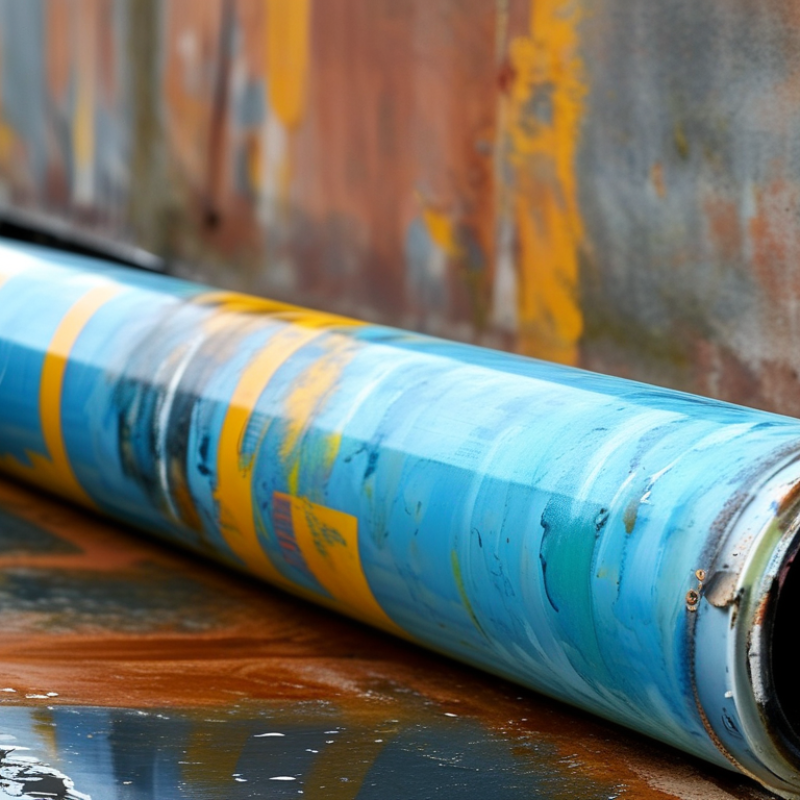
Understanding Acrylic Steel Pipe Varnish: Features and Benefits
Acrylic steel pipe varnish is making waves in various projects. Its unique features cater to both professionals and DIY enthusiasts. This varnish offers exceptional durability. It can withstand harsh conditions. With its strong protective layer, surfaces remain safe from corrosion and wear.
One notable benefit of acrylic steel pipe varnish is its versatility. It adheres well to different surfaces, ensuring a solid finish. The glossy appearance enhances aesthetics significantly. Users often appreciate the ease of application. However, proper surface preparation is essential for optimal results. This varnish is not a one-size-fits-all solution. If the surface is not clean and dry, the varnish may not bond effectively.
Consider the drying time as well. While it dries quickly, rushing the process can lead to imperfections. Some users report bubbling or uneven texture if they don’t follow instructions closely. It’s crucial to allow sufficient curing time. Acrylic steel pipe varnish also provides excellent UV resistance, maintaining its color over time. Yet, reapplication might be necessary in high-exposure areas. This balance of durability and visual appeal makes it an appealing choice, but it demands careful attention during application.
Comparison of Acrylic Steel Pipe Varnish with Other Coatings
When selecting a coating for steel pipes, acrylic steel pipe varnish offers unique advantages over traditional options. Its flexibility sets it apart. Unlike rigid coatings, acrylic varnish adapts to the natural expansion and contraction of steel. This adaptability helps prevent cracking. It maintains a consistent appearance over time, ensuring longevity.
Comparatively, epoxy and polyurethane coatings are common alternatives. Epoxy provides excellent adhesion but may become brittle. When exposed to UV light, its protective qualities can diminish. Polyurethane offers solid durability, yet it can be harder to apply. Its application often requires professional expertise. In contrast, acrylic varnish is user-friendly, allowing for easier DIY projects. Its quick-drying formula reduces wait times, making it practical for various applications.
While there are clear benefits, acrylic varnish isn't perfect. Its resistance to scratching is moderate, requiring careful handling during installation. Additionally, environmental factors may affect its longevity. Regular maintenance is necessary to ensure durability. Understanding these nuances is essential when planning your project.
Applications of Acrylic Steel Pipe Varnish in Various Industries
Acrylic steel pipe varnish is finding diverse applications across various industries. This product offers exceptional protection against corrosion, which is critical in construction and manufacturing sectors. According to industry reports, around 60% of corrosion-related failures occur in metal structures, costing billions in repairs annually. Using acrylic varnish can significantly reduce such risks, extending the lifespan of steel pipes.
In the oil and gas industry, the use of acrylic steel pipe varnish ensures that pipelines remain intact despite harsh chemicals and extreme temperatures. A report from the American Society of Civil Engineers highlights that proper coatings can increase the longevity of pipelines by 30% or more. Additionally, the automotive industry is adopting acrylic varnish for components exposed to high stress, where mechanical durability is crucial. With acrylic's flexibility and strength, it supports the need for reliable components.
Beyond these sectors, the construction industry also benefits from acrylic varnish's ease of application and maintenance. Job sites can stay efficient as acrylic dries quickly and offers excellent adhesion. However, challenges still exist, such as ensuring compatibility with all materials. Proper testing is essential to avoid potential failures in adhesion or performance.
Applications of Acrylic Steel Pipe Varnish in Various Industries
Factors Influencing the Choice of Acrylic Steel Pipe Varnish
When selecting an acrylic steel pipe varnish for your projects, several critical factors come into play. One major consideration is durability. Acrylic varnishes are known for their resilience. They resist scratches and fading better than many alternatives. This ensures that your pipes maintain their appearance and functionality over time.
Another important aspect is ease of application. Acrylic varnishes can often be applied with a simple brush or spray. This makes them accessible for various skill levels. However, achieving a perfect finish may require practice. It's essential to pay attention to surface preparation. Properly cleaning and priming surfaces can make a significant difference in the final result.
Cost is another influencing factor. While acrylic varnishes may present a higher upfront cost, their longevity can justify the investment. Cheaper options may require more frequent reapplication. This can lead to higher long-term expenses. Balancing initial costs against durability is crucial in the decision-making process. When looking for the right varnish, weigh these factors carefully. Each project may demand a different approach, warranting a thoughtful evaluation of these elements.
Maintenance and Best Practices for Acrylic Steel Pipe Varnish Usage
Acrylic steel pipe varnish is popular for its durability and aesthetic. To ensure long-lasting results, proper maintenance and best practices are essential. Regular inspection of surfaces is crucial to identify any wear or damage. Ignoring minor issues may lead to bigger problems later.
Cleaning is vital to maintaining the varnish's appearance. Use a soft cloth and gentle cleaners to avoid scratching. Harsh chemicals can degrade the finish, compromising its protective qualities. Periodic applications of a compatible sealant can enhance the varnish's lifespan. However, too much layering can create a cloudy effect.
Storage conditions also play a role in the varnish's integrity. Extreme temperatures can alter its properties. Always store in a cool, dry place, away from direct sunlight. When applying, ensure the area is well-ventilated. Applying in a too-humid environment can lead to premature peeling. Taking these steps can lead to a successful project outcome.
Why Choose Acrylic Steel Pipe Varnish for Your Projects? - Maintenance and Best Practices for Acrylic Steel Pipe Varnish Usage
| Feature | Description | Advantages | Best Practices |
| Durability | Resistant to corrosion and chemicals. | Long lifespan and reduced maintenance frequency. | Regularly inspect for wear and tear. |
| Finish Quality | Provides a smooth, glossy surface. | Enhances aesthetic appeal. | Use a clean, dust-free environment for application. |
| Application Method | Can be applied using spray, brush, or roller. | Flexible application options suitable for various projects. | Follow the manufacturer's instructions for layering. |
| Drying Time | Typically dries quickly to touch but may require more time for full curing. | Faster project turnaround. | Allow adequate time between coats. |
| Environmental Resistance | Offers protection against UV rays and moisture. | Prevents fading and degradation. | Store in a cool, dry place away from direct sunlight. |