
Quality Products

At a Fair Price

Wholesale Provider

Of Valves & Fittings

  • Corporate Office: 1301 Greengrass Drive Houston, TX 77008
  • 1-800-237-2512

Quality Products

At a Fair Price

Wholesale Provider

Of Valves & Fittings

Explore the Benefits of Electric Two Wheelers in China?

Electric Two Wheelers are making waves in China. As cities grapple with traffic congestion and pollution, these eco-friendly vehicles offer a viable solution. Many residents are shifting to Electric Two Wheelers for their convenience and cost-effectiveness. They are particularly appealing in urban areas, where navigating through traffic can be challenging.

The surge in popularity stems from a unique blend of practicality and sustainability. Electric Two Wheelers provide a quieter, cleaner alternative to traditional vehicles. The initial investment may seem daunting for some. Yet, the long-term savings on fuel and maintenance can be significant. It is crucial to recognize challenges, such as battery life and charging infrastructure, which need improvement.

Stakeholders are actively working on solutions. Manufacturers are enhancing battery technology to address consumer concerns. This effort highlights the commitment to creating a reliable and efficient transport mode. Electric Two Wheelers could transform urban transportation in China. Navigating the transition requires careful planning and consideration. Adapting to this change is essential for a sustainable future.
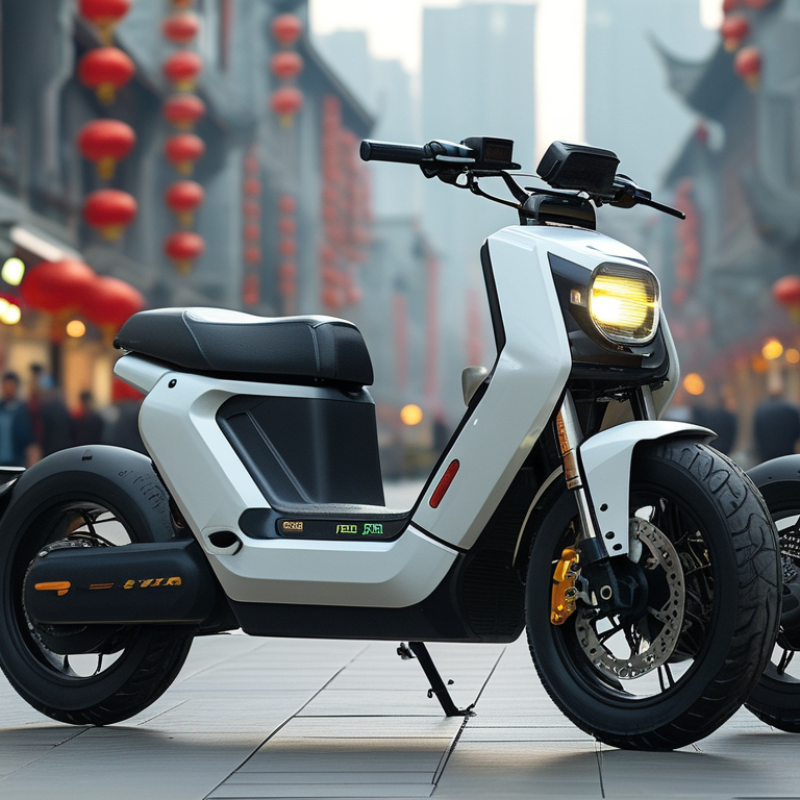
Explore the Benefits of Electric Two Wheelers in China?

Benefits of Electric Two Wheelers for Urban Commuting in China

Electric two wheelers are becoming essential in urban commuting across China. With rapid urbanization, the demand for efficient transportation has surged. According to a recent report from the China Electric Vehicle Charging Infrastructure Promotion Alliance (NEV), electric two wheelers have gained popularity for offering an eco-friendly alternative. This shift reduces traffic congestion and lowers greenhouse gas emissions.

One notable benefit is cost efficiency. A report by the International Energy Agency (IEA) highlights that operating electric two wheelers can cost significantly less than traditional vehicles. They consume less energy and often have lower maintenance costs. For daily commuters, this translates to savings on fuel and repairs.

Tips for potential buyers: Consider local incentives for electric vehicles. Some cities offer subsidies or tax breaks, making the purchase more appealing. Additionally, understand your commuting needs. Acknowledge that battery life can vary. Make sure your choice aligns with your daily travel distance to avoid performance issues. It's crucial to think about safety gear. While riding is increasingly popular, city infrastructure may not always be fully adapted to these vehicles.

Environmental Impact of Electric Two Wheelers on Air Quality in China

Electric two-wheelers are rapidly transforming urban mobility in China. With over 300 million electric scooters and bikes on the roads, they significantly impact air quality. According to the China Electric Vehicle Outlook 2023, these vehicles are projected to reduce carbon emissions by 105 million tons annually by 2030. This statistic highlights their potential to combat air pollution in densely populated cities.

In urban areas, electric two-wheelers produce zero tailpipe emissions. This is a crucial advantage over traditional gasoline vehicles. A study from the Beijing Environmental Protection Bureau revealed that switching to electric two-wheelers could reduce nitrogen dioxide levels by up to 30%. However, challenges remain. The energy source for electricity generation needs to shift toward renewables. Currently, many electric vehicles rely on coal, which partly undermines their environmental benefits.

Public perception plays a vital role in adoption. Some citizens are still skeptical about electric two-wheelers' performance and safety. Addressing these concerns requires education and outreach. Local governments must promote infrastructure, such as dedicated lanes and charging stations, to encourage use. As cities evolve, the environmental impact of electric two-wheelers could be transformative, but collaboration is essential.

Environmental Impact of Electric Two Wheelers on Air Quality in China

Cost Efficiency: Comparing Electric Two Wheelers to Traditional Vehicles

Electric two wheelers are gaining popularity in China. They offer significant cost efficiency compared to traditional vehicles. Charging costs for electric bikes are generally lower than gasoline prices. Many users report savings on daily commuting expenses.

Insurance costs for electric two wheelers tend to be cheaper as well. Maintenance is often less frequent and less costly. However, it's important to consider the initial purchase price. Some may find it high compared to fuel-powered options. Users should weigh long-term savings against upfront costs when deciding.

Infrastructure for electric vehicles is improving, but challenges remain. Charging stations are still not as widespread. This may affect how convenient ownership can be. It's a point worth discussing among potential buyers. With the right information, understanding costs can lead to better choices for future travel.

Explore the Benefits of Electric Two Wheelers in China - Cost Efficiency: Comparing Electric Two Wheelers to Traditional Vehicles

Criteria Electric Two Wheelers Traditional Vehicles
Initial Cost $500 - $1,500 $15,000 - $30,000
Fuel Cost per Month $5 - $10 $100 - $200
Maintenance Cost per Year $50 - $100 $500 - $1,000
Average Range (Miles per Charge/Tank) 40 - 70 300 - 400
Charging Time 4 - 8 hours 5 - 10 minutes
Emissions 0 g CO2/km 150 - 250 g CO2/km
Insurance Cost per Year $100 - $200 $800 - $1,500

Government Policies and Incentives Promoting Electric Two Wheelers

Electric two-wheelers (e-scooters, e-bikes) are gaining traction in China, primarily due to supportive government policies. The government aims to reduce pollution and traffic congestion. Incentives such as subsidies and tax breaks encourage the adoption of electric vehicles.

Local authorities have introduced regulations that promote the use of electric two-wheelers. Designated lanes and parking areas are becoming more common. This infrastructure helps riders feel safer. However, regulatory inconsistencies across cities can create confusion. Riders may face different rules depending on their location.

Tips: Always check local regulations before riding. Safety gear is essential for a smooth ride. Additionally, consider charging facilities before purchasing a model.

Financial incentives make electric two-wheelers more accessible. Some regions provide financial assistance for both individuals and businesses. However, many applicants feel overwhelmed by the paperwork. Delays in processing can discourage potential buyers. Furthermore, not all areas offer the same level of support. This disparity may hinder widespread adoption.

Educating the public is crucial. Many people still lack awareness of the benefits and incentives available. Workshops and information campaigns can bridge this gap. Ensuring that citizens understand these policies is vital for a greener future.

Challenges and Future Prospects for Electric Two Wheelers in China

Electric two-wheelers are gaining popularity in China. However, they face several challenges. The rapid growth of this market has outpaced regulatory frameworks. Safety concerns arise from the crowded urban environments where these vehicles operate. Charging infrastructure is also underdeveloped in many areas. This impacts the convenience of using electric two-wheelers, particularly for long-distance travel.

Battery technology remains an ongoing issue. Many electric two-wheelers suffer from limited range and long charging times. Improving battery efficiency can enhance user experience. Additionally, manufacturers must focus on robust quality control. Many riders share concerns about the durability of their vehicles.

The future of electric two-wheelers in China looks promising but requires effort. Authorities need to streamline policies to support manufacturers. Investment in charging infrastructure is crucial for widespread adoption. Consumer education on safety and efficiency will also play a key role. Addressing these challenges may pave the way for a flourishing electric two-wheeler ecosystem in the country.

Top
error: Content is protected !!