What are the Best Photovoltaic Bracket Options for Solar Panels?
The demand for solar energy is rapidly growing, with photovoltaic systems leading the way. A crucial aspect of these systems is the Photovoltaic Bracket, which plays a key role in stability and efficiency. According to recent industry reports, the market for solar mounting systems is expected to reach $20 billion by 2026. This highlights their importance in residential and commercial solar installations.
Experts in the field emphasize the significance of the right bracket choice. John Carter, a recognized authority in solar technologies, has noted, “The integrity of solar installations largely hinges on the quality of the Photovoltaic Bracket.” His statement underlines the need for careful consideration when selecting mounting solutions. Many installations fail to optimize energy generation due to improper bracket choices, leading to reflection on industry standards.
In the quest for the best Photovoltaic Bracket options, it’s essential to consider various materials and designs. While many products claim durability, not all perform as expected under harsh weather conditions. Therefore, ongoing evaluation of market offerings remains crucial. This area requires constant innovation and improvement to meet ever-evolving energy needs.
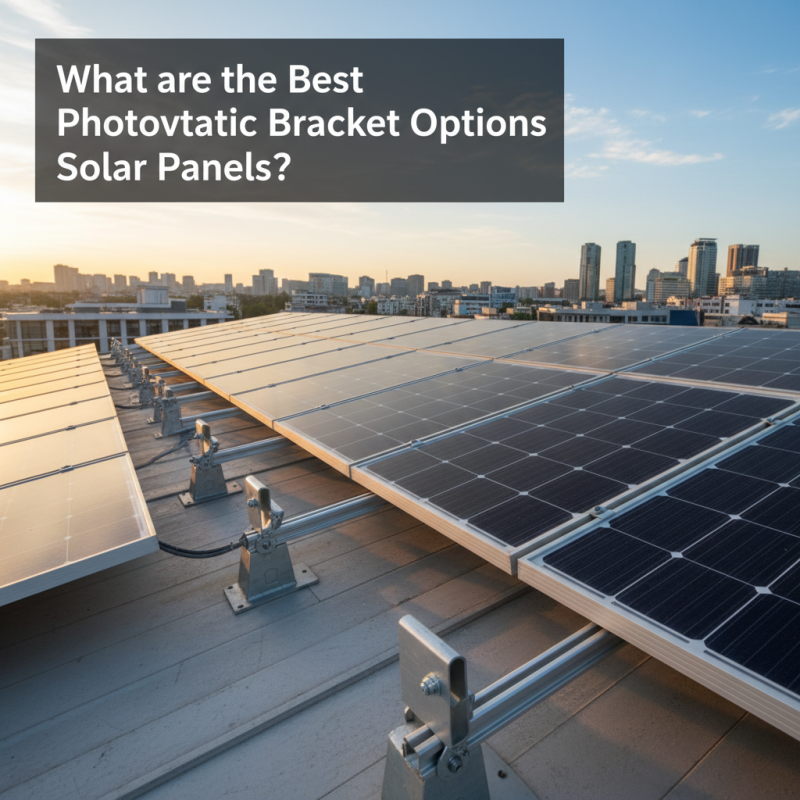
Types of Photovoltaic Brackets: An Overview of Popular Options
When it comes to solar panel installations, choosing the right photovoltaic brackets is crucial. There are different types to consider. Each option has its pros and cons. For instance, roof-mounted brackets are popular. They provide a secure base and maximize sun exposure. However, they may not be suitable for all roof types. Proper installation is necessary to avoid leaks.
Ground-mounted brackets are another option. They allow for greater flexibility in positioning the solar panels. This can lead to improved performance. Yet, they often require more space, which can be a limitation. Some homeowners worry about aesthetics. Keeping these brackets discreet is essential for many.
Lastly, adjustable brackets allow tilting. This feature can enhance energy capture during different seasons. But, they may increase the complexity of installation. Maintenance might be harder as well. Each option should be weighed carefully. Think about personal needs and site conditions before making a choice.
Factors to Consider When Choosing Brackets for Solar Panels
When choosing brackets for solar panels, several factors come into play. The material of the bracket is crucial. Aluminum is lightweight and resistant to corrosion. Steel, on the other hand, can offer incredible strength. However, it may rust over time if not properly treated. Think about your local climate. Areas with heavy snow or strong winds may require sturdier brackets that can withstand harsh conditions.
The bracket's design is another important consideration. Tilted brackets can improve solar efficiency by maximizing sun exposure. Fixed brackets are simpler but may not capture the sun's angle changes throughout the day. It’s essential to think about installation ease, too. Some brackets come with complex setups, while others promise quick installation. A simpler design might save time, but may lack adjustability.
Finally, weight capacity should not be ignored. Brackets must support the solar panels securely without bending or breaking. Always check the specifications for any limits. There are risks if brackets fail. Damaged panels could lead to costly repairs, or worse—safety hazards. It's worth weighing the pros and cons carefully before making a final choice.
Installation Techniques: Ensuring Optimal Angle and Stability
Choosing the right photovoltaic brackets is vital for solar panel installation. The angle at which solar panels are mounted affects efficiency. A steep angle can catch more sunlight, but can also be risky during storms. On the other hand, a flat installation might miss out on optimal energy capture. Assessing local weather conditions is crucial to make this decision.
Stability is another key factor. Ensure brackets are anchored securely to withstand wind and other stresses. Inadequate installation can lead to damage. Many opt for pier mounts or ground attachments, but these aren't always perfect solutions. Checking for ground stability is essential; an unstable base could lead to tilting panels over time.
Regular maintenance is necessary. Inspect brackets and connections periodically for signs of wear. Factors like rust or corrosion can undermine stability. It’s easy to overlook these aspects when everything seems fine. However, proactive checks can save time and costs in the long run. Finding the right balance between angle and stability requires ongoing attention and adjustment based on environmental changes.
Materials Used in Solar Panel Brackets: Durability and Performance
The materials used in solar panel brackets play a crucial role in their durability and overall performance. Most brackets are made from aluminum, stainless steel, or galvanized steel. Aluminum is lightweight and resistant to corrosion, making it a popular choice. However, it may not be as strong as steel. Stainless steel offers excellent strength and corrosion resistance, but it’s heavier. Galvanized steel strikes a balance, providing good strength at a cost-effective price point.
Research from the Solar Energy Industries Association indicates that the right bracket material can enhance the lifespan of solar panels. For instance, brackets made from high-quality materials can extend the lifespan of a solar installation by 20 years or more. The climate in which solar systems are installed also affects material selection. Coastal areas with high salinity levels may require more corrosion-resistant options.
Tips: Regular maintenance of brackets can help identify wear and tear early. Consider the environmental conditions when choosing materials. It's vital to reflect on how environmental factors could impact your installation. Always prioritize durability to prevent future costs.
Cost Analysis: Evaluating the Best Value Bracket Options in the Market
When choosing brackets for solar panels, cost is a significant factor. A recent report by the Solar Energy Industries Association (SEIA) highlights that installation costs can vary widely. On average, mounting cost accounts for 10-15% of the total solar project budget. Price deviations often arise from differences in material quality and functionality.
Consider the cost per watt when evaluating bracket options. For instance, premium brackets may range from $0.30 to $0.70 per watt, while more economical choices range from $0.10 to $0.20. Be mindful, though. Cheaper does not always mean better. Inferior materials can reduce panel stability and lifespan.
**Tip:** Always assess multiple quotes before finalizing a choice. Some installers may charge extra for specific mount types.
Installation methods also impact costs. Ballasted systems, which don't require roof penetrations, can save on labor but might be pricier initially. Comparatively, fixed mount systems are cheaper but can cause roof damage if not installed correctly.
**Tip:** Check local code requirements. Some areas have strict regulations, which can affect your overall costs.
Ultimately, weighing long-term benefits against initial expenses is crucial. What seems like a cost-effective option today may not provide the best value tomorrow.
Cost Analysis of Photovoltaic Bracket Options for Solar Panels