Best Progressive Die Stamping Techniques for Efficient Manufacturing?
In the realm of modern manufacturing, Progressive Die Stamping stands out as a game-changing technique. This method allows for the efficient production of complex components in high volumes. It relies on a series of dies that progressively shape the material, significantly reducing waste. The precision offered by Progressive Die Stamping leads to a cleaner and more cost-effective process.
However, implementing this technique is not without challenges. Manufacturers often grapple with die maintenance and setup times. Each die must be meticulously designed to avoid costly errors. Furthermore, optimizing the stamping process requires a deep understanding of material properties and machine capabilities. Mistakes can lead to significant production delays.
Despite these hurdles, the advantages are compelling. The ability to produce intricate parts with minimal human intervention enhances productivity. Progressive Die Stamping not only meets the demands of the market but also pushes the boundaries of what’s possible in manufacturing. It's a method worth exploring for those seeking efficiency and innovation.
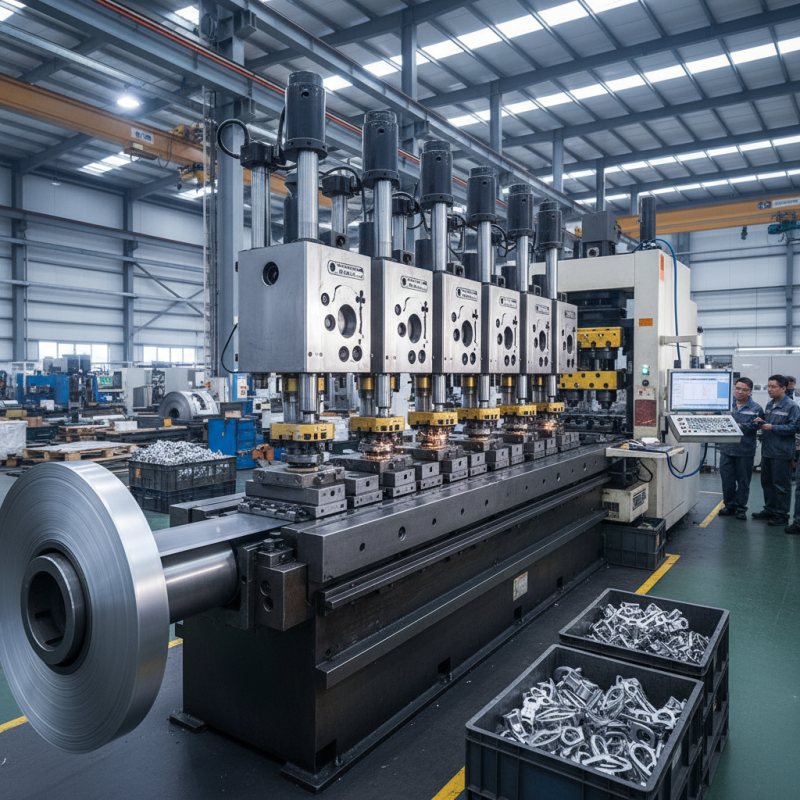
Overview of Progressive Die Stamping Process in Manufacturing
Progressive die stamping is a vital process in manufacturing. It allows the production of complex metal parts with high efficiency. In this process, a single workpiece moves through multiple die stations. Each station performs a specific operation, such as cutting, bending, or punching. This technique minimizes material waste and reduces production time.
According to a report from the Precision Metalforming Association, progressive die stamping can improve productivity by up to 50%. This significant increase is attributed to its ability to automate the manufacturing of high-volume components. Efficient part production is key in industries like automotive and aerospace, where precision is critical. However, the initial setup cost for progressive die stamping can be high, which may deter some manufacturers.
Moreover, maintaining the dies is a challenge. Wear and tear can affect accuracy and lead to increased scrap rates. Regular maintenance is essential to uphold part quality. Companies need to factor in these ongoing costs while assessing the viability of implementing progressive die stamping techniques. Ensuring the right training for operators can also help in managing these challenges effectively.
Key Advantages of Progressive Die Stamping for High-Volume Production
Progressive die stamping is a game-changer for high-volume production. One key advantage lies in its ability to create complex parts in a single continuous process. This reduces the need for multiple tools and setups, saving both time and money. The efficiency of progressive die stamping leads to faster turnaround times, crucial in today's competitive market.
Tips for the process: Ensure proper die alignment to avoid defects. A small misalignment can lead to wasted materials and time. Regular maintenance of the stamping presses is essential for consistent quality. Monitoring wear and tear helps prevent larger issues down the line.
Another advantage is the precision it offers. Parts produced through this method can achieve tight tolerances, which is critical for industries such as automotive and electronics. However, achieving this level of precision requires skilled operators who understand the nuances of the equipment and techniques used. Investing in training can pay off significantly in maintaining high production standards.
Essential Techniques to Optimize Efficiency in Die Stamping
In modern manufacturing, optimizing efficiency in die stamping is crucial for productivity. Progressive die stamping techniques are gaining traction in various industries. According to a recent report by the Manufacturers Alliance for Productivity and Innovation, 75% of firms report increased output through advanced stamping methods. These techniques decrease cycle times while ensuring precision in component production.
Implementing automation can significantly enhance operation efficiency. Automated systems reduce labor costs by up to 30%, as per a 2022 analysis by the Metal Stamping Association. This efficiency boost is critical, especially when considering that downtime accounts for 20% of total production time in many facilities. However, one must approach automation with caution. Over-reliance may lead to hidden costs, such as software maintenance and worker retraining.
Tool design plays a pivotal role in success. High-quality dies can significantly reduce material wastage, as highlighted in a study by the International Journal of Advanced Manufacturing Technology, which found that optimized tooling can cut scrap rates by 25%. However, continuously upgrading dies often comes with significant expenses. Striking a balance between cutting-edge technology and cost-effectiveness requires careful analysis and forward-thinking strategies.
Best Progressive Die Stamping Techniques for Efficient Manufacturing
This chart illustrates the efficiency improvement percentages achieved through various progressive die stamping techniques. The data reflects gains in manufacturing efficiency based on best practices within the industry.
Innovations in Tool Design for Improved Stamping Performance
Innovations in tool design are transforming the landscape of die stamping. Enhanced materials increase tool durability. New designs focus on reducing wear and tear. Improved geometries can optimize flow and reduce friction. These changes lead to more efficient manufacturing processes.
Consider the use of advanced coatings. They protect tools from harsh environments and extend their lifespan. Innovative features also allow for quicker changeovers. This flexibility can help meet diverse production demands. However, adopting these new designs can be a challenge. That may require technical training for operators. The learning curve can disrupt initial production rates.
Moreover, not every tool design may yield expected results. Some innovations may not align with specific production needs. Businesses must evaluate their unique circumstances before implementing changes. Constant feedback loops are essential for refining processes. Balancing innovation with practicality remains a critical task.
Quality Control Practices for Progressive Die Stamped Components
Quality control is crucial in the manufacturing of progressive die stamped components. Variations in material or machinery can lead to defects. Therefore, consistent inspections at various stages of the production process are vital. A systematic approach helps identify issues early, reducing waste and enhancing efficiency.
Implementing real-time monitoring systems can improve accuracy. These systems track parameters like pressure and alignment. Workers should be trained to recognize signs of irregularities. Early detection can save time and resources.
Tips: Establish a routine for reviewing components after each press cycle. This prevents minor issues from escalating. Regularly calibrate equipment to maintain precision. Engaging team members in quality discussions fosters a culture of accountability and improvement. Aim for a proactive approach rather than a reactive one.