What is Ceramic Uf Membrane and How Does It Work?
Ceramic Uf Membrane is a revolutionary technology in the field of water purification. Unlike traditional membranes, it offers superior durability and performance. These membranes utilize ceramic materials, which make them resistant to corrosion and fouling. As a result, they can operate effectively in harsh environments.
Many industries benefit from Ceramic Uf Membrane. For example, in wastewater treatment, they ensure high-quality effluent. This technology is also crucial in food and beverage processing. It helps maintain product integrity while ensuring safety. The longevity of Ceramic Membranes often results in lower operational costs. However, the initial investment can be high, requiring careful consideration.
Understanding how Ceramic Uf Membrane works is essential. It uses a unique filtration process to separate particles from liquids. This method is efficient, but it’s not without challenges. Regular maintenance is necessary to prevent performance issues. Ultimately, this technology is a game-changer in filtration systems, providing reliable solutions for various applications.
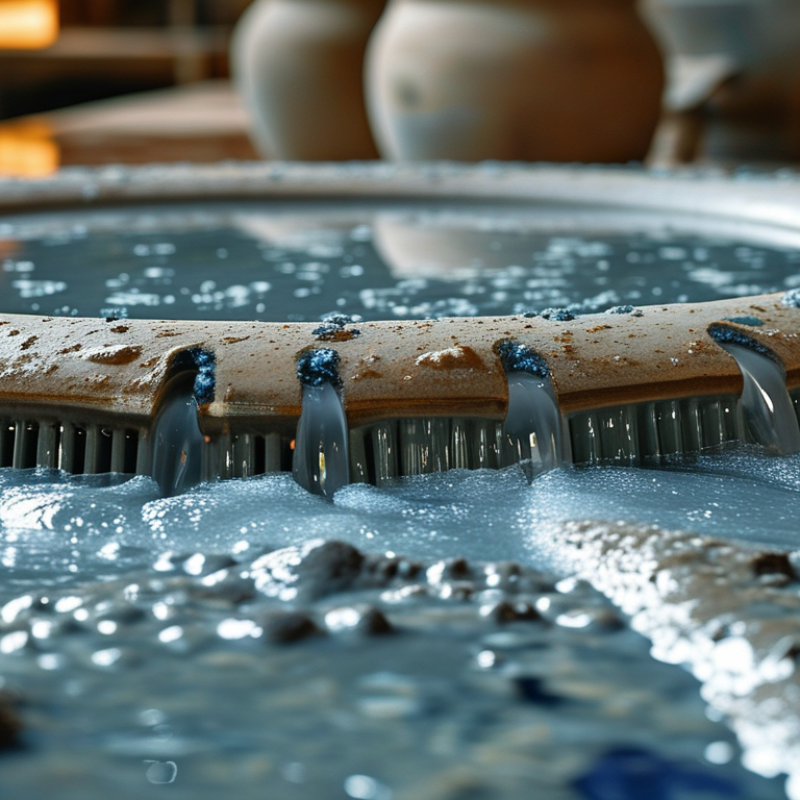
Definition of Ceramic UF Membrane and Its Composition
Ceramic ultrafiltration (UF) membranes are advanced materials primarily used for water treatment. These membranes are composed of ceramic materials such as alumina, zirconia, or titanate. Their robust structure allows them to withstand harsh operating conditions, including high temperatures and aggressive chemicals. Reports reveal that ceramic membranes can effectively remove particles as small as 1 nanometer, which is critical for producing high-quality water.
The manufacturing process of ceramic UF membranes involves sintering powdered ceramics into a porous structure. This process ensures stability and durability, making ceramic membranes suitable for long-term applications. A recent industry report indicated that the global ceramic membrane market is projected to reach $5.3 billion by 2026, driven by the increasing demand for effective water purification systems.
Despite their advantages, ceramic UF membranes are not without challenges. The initial investment costs can be higher than polymeric membranes. Additionally, foulants can accumulate on the membrane surface, leading to reduced efficiency. Research is ongoing to address these issues and enhance the operational reliability of ceramic membranes, making them even more effective for various applications.
Key Features and Advantages of Ceramic UF Membranes
Ceramic ultrafiltration (UF) membranes are known for their unique structure and durability. These membranes are made of ceramic materials that allow water to pass through while trapping contaminants. This process is highly effective for water treatment applications.
One of the key features of ceramic UF membranes is their high resistance to chemical and thermal degradation. They can withstand extreme conditions that would damage polymer membranes. This makes them ideal for challenging environments. Their lifespan is often longer than alternative membranes, reducing the need for frequent replacements. The efficiency at filtering out bacteria and larger particles is quite significant, enhancing water quality.
When considering ceramic UF membranes, it's crucial to keep in mind factors like pore size and application compatibility. A smaller pore size can improve filtration but may require more energy. Evaluating the specific needs of your application will yield better results. Regular maintenance is also essential, as fouling can reduce efficiency. Cleaning protocols should be established to prolong membrane life.
Ceramic UF membranes present many advantages, but potential users should consider the initial investment. While upfront costs can be higher, the long-term benefits often outweigh expenses. Thoughtful planning and an understanding of operational requirements can lead to successful outcomes.
How Ceramic UF Membranes Function in Filtration Processes
Ceramic ultrafiltration (UF) membranes are crucial in various filtration processes. They are made from durable ceramic materials, offering enhanced strength and longevity. These membranes excel at removing particles, bacteria, and viruses from water. Their pore size typically ranges from 1 to 100 nanometers. This allows them to retain larger contaminants while permitting water molecules to pass through.
The filtration mechanism of ceramic UF membranes relies on size exclusion and configuration. As fluid flows through the membrane, smaller particles pass easily, while larger ones are trapped. This process is vital in industries such as food and beverage, pharmaceuticals, and wastewater treatment. Ceramic membranes resist fouling better than polymeric membranes. However, they can still become clogged, requiring periodic cleaning. This can introduce complexities in maintenance and operational costs.
While these membranes have many advantages, they are not without challenges. The initial investment for ceramic UF systems can be high. Their brittle nature necessitates careful handling. Despite these issues, their reliability and effectiveness in producing clean water make them an attractive option for filtration. Users must weigh these factors before implementation.
What is Ceramic UF Membrane and How Does It Work?
| Parameter | Description |
| Membrane Material | Ceramic (often aluminum oxide, zirconia, or silicon carbide) |
| Pore Size | Typically 0.1 to 0.4 microns |
| Operating Pressure | Can operate at pressures ranging from 1 to 3 bar |
| Typical Applications | Water treatment, food and beverage processing, pharmaceutical filtration |
| Advantages | Chemical resistance, high porosity, thermal stability, and easy cleaning |
| Maintenance | Requires regular cleaning and periodic replacement based on usage |
Applications of Ceramic UF Membranes in Various Industries
Ceramic UF membranes are increasingly popular in multiple industries due to their durability and efficiency. In the food and beverage sector, these membranes are crucial for clarifying liquids. They effectively remove suspended solids and bacteria from juices and wines. This process enhances product quality and extends shelf life, an important factor for manufacturers.
In wastewater treatment, ceramic UF membranes play a critical role. Their robust structure allows them to withstand harsh conditions while filtering contaminants. These membranes help recycle water and reduce environmental impact, which is essential in today’s sustainability efforts. However, the initial costs can be high, and not all facilities may afford such an investment.
Another application lies in pharmaceuticals. The need for sterile solutions is paramount. Ceramic membranes ensure that products are free from impurities. Yet, maintenance and cleaning of these membranes require careful management. Failure in these areas can lead to decreased efficiency and increased operational costs. Despite these challenges, the benefits of using ceramic UF membranes usually outweigh the drawbacks.
Maintenance and Longevity of Ceramic UF Membranes in Use
Ceramic UF (Ultrafiltration) membranes offer exceptional durability and efficiency in water purification. However, their maintenance is crucial for optimal performance and longevity. Regular cleaning is essential, as fouling can significantly reduce their effectiveness. Depending on the application and water quality, membranes may require cleaning every few weeks to months.
Routine inspections play a vital role in maintenance. Monitor parameters such as flow rates, pressure, and water quality regularly. Any significant change can indicate fouling or damage, necessitating immediate action. Neglect can lead to irreversible damage and costly replacements. Always address minor issues promptly to prolong membrane lifespan.
Consider using chemical cleaning solutions designed for ceramic membranes. These solutions can effectively remove organic and inorganic fouling. Follow manufacturer's guidelines for safe usage. Implement a maintenance log to track cleaning schedules and performance metrics. This habit creates accountability and highlights trends over time. By focusing on these practices, users can ensure their ceramic UF membranes operate efficiently and last longer.