China Best UVB LED Module for Optimal Plant Growth Solutions?
As global awareness of sustainable agriculture rises, the demand for effective lighting solutions in horticulture has intensified. Among the innovations, the UVB LED module has emerged as a critical component for optimal plant growth. Reports indicate that UVB light can enhance the production of secondary metabolites in plants, boosting yield and nutritional quality by up to 30%. This is why many growers are now exploring the potential of UVB LED technology.
The advancements in UVB LED modules are rooted in extensive research. Studies have shown that specific wavelengths of UVB light stimulate the synthesis of protective compounds in plants. This response not only increases resilience to pests but also improves overall plant health. However, ensuring the right intensity and exposure duration is essential. Overexposure can lead to photoinhibition or reduced growth, showcasing the need for careful calibration.
Despite its benefits, the integration of UVB LED modules requires a thoughtful approach. Growers must consider factors such as plant type and growth stage for optimal results. While the promise of UVB technology is significant, its practical application reveals gaps that warrant further research and optimization. This reflection on the balance between innovation and efficacy is key to harnessing the full potential of UVB LED modules in horticulture.
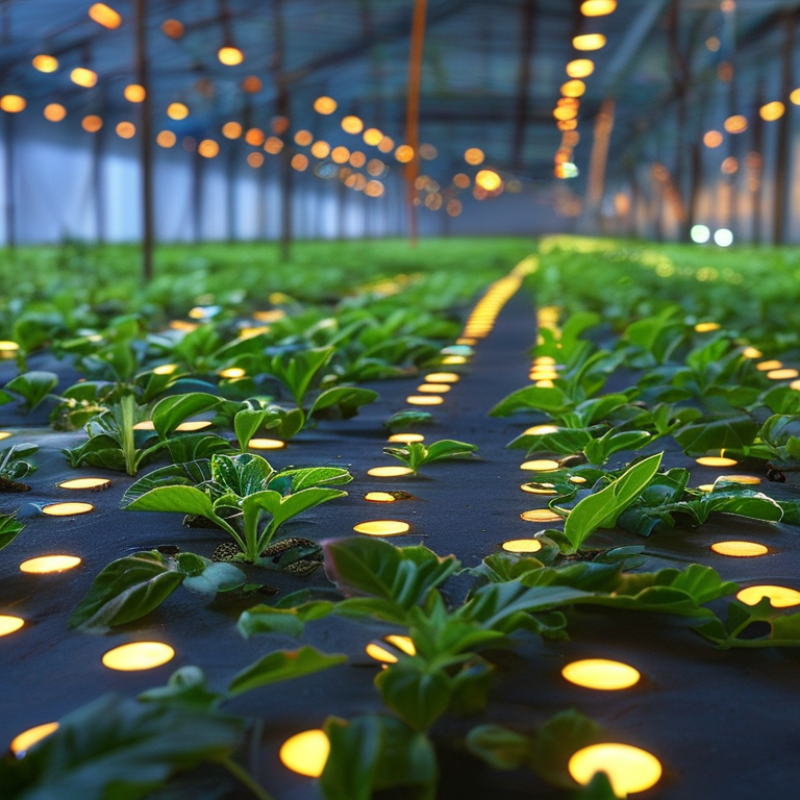
Understanding UVB Radiation and Its Role in Plant Growth
UVB radiation plays a crucial role in plant growth and development. It stimulates various physiological responses, including the production of protective compounds like flavonoids. These compounds not only help plants resist pests but also enhance their nutritional value. According to research, the right amount of UVB light can increase flavonoid production by up to 60%. This improvement is vital for both growers and consumers seeking quality produce.
Moreover, UVB exposure can influence plant morphology. Studies indicate that plants subjected to UVB light tend to develop shorter internodes and thicker leaves. These traits can improve resilience against environmental stressors. However, excessive UVB radiation can lead to negative outcomes, such as stunted growth or increased susceptibility to disease. Finding the optimal UVB levels is essential for maximizing benefits while minimizing risks.
It's clear that integrating UVB lighting into cultivation practices needs careful consideration. Growers must research and test various UVB LED modules. Not all products guarantee the same effectiveness. Understanding the specific requirements of the plants being cultivated is critical. A tailored approach will ensure that the advantages of UVB radiation are fully realized without adverse effects.
Impact of UVB Radiation on Plant Growth
This chart illustrates the positive effect of varying levels of UVB radiation on plant height. As the UVB exposure increases from no exposure to high exposure, there is a corresponding increase in plant height, indicating optimal growth conditions.
Advantages of Using UVB LED Modules in Horticulture
UVB LED modules are transforming the horticulture landscape. They mimic natural sunlight and promote plant health. These modules emit UVB light, which is crucial for photosynthesis. Enhancing plant growth, they boost yields in various crops. Higher UVB levels can stimulate the production of essential oils and compounds in some plants, resulting in richer flavors and scents.
Tips for using UVB LED modules effectively: Monitor the duration of UVB exposure. Too much can harm plants. Start with shorter exposure times and gradually increase as needed. Ensure proper distance from plants to avoid light burn. This distance also helps maintain temperature control.
Implementing UVB LEDs can highlight some challenges. Some plants may develop stress if they receive UVB light for extended periods. It’s vital to observe plant responses and adjust accordingly. Not all crops benefit equally from UVB exposure. Experimentation is key to finding the best balance for your specific plants.
China Best UVB LED Module for Optimal Plant Growth Solutions
| Feature | Benefits | Applications | Specifications |
| UVB Light Spectrum | Stimulates phytochemical production | Greenhouses, Indoor Gardens | 280-320 nm |
| Energy Efficiency | Lower electricity costs | Horticultural Lighting | 80-100 lumens per watt |
| Longevity | Reduced replacement costs | Commercial Plant Growth | 50,000 hours lifespan |
| Compact Design | Space-saving installation | Vertical Farming | Lightweight and versatile |
| Customizable Spectrum | Tailored light for specific plants | Research Facilities | Adjustable output |
Key Features of China's Top UVB LED Modules for Plants
UVB LED modules play a crucial role in plant growth by simulating the sun’s spectrum. The best modules from China are gaining attention for their ability to enhance photosynthesis. According to a recent study by the International Society for Horticultural Science, plants exposed to UVB light show a remarkable increase in flavonoid and phenolic compounds. These compounds are beneficial for both plant health and human nutrition.
Key features of top UVB LED modules include high energy efficiency and adjustable light intensity. These modules often operate with a light output of 385-395 nm, which is optimal for many plant species. Research indicates that precise UVB exposure can boost yield by up to 20% in specific crops. However, overexposure is a concern. Some growers report stunted growth or leaf burn when light levels are too high.
Thermal management is another essential aspect. High-quality modules incorporate effective heat sinks to prevent overheating. Numerous tests show that maintaining an optimal temperature range significantly improves LED lifespan and performance. Despite improvements, some users still struggle with balancing light duration and intensity, highlighting the need for ongoing research in this evolving field.
Comparative Analysis of UVB LED Modules in Agricultural Settings
The use of UVB LED modules in agriculture has gained attention in recent years. These modules can enhance plant growth effectively. However, not all UVB LED modules are created equal. A comparative analysis reveals significant differences in performance and efficiency among various options.
Certain modules provide more intense UVB radiation, leading to improved photosynthesis and growth rates. Others may fall short, resulting in minimal benefits. It is crucial to assess factors like light spectrum and intensity when selecting a module. Research indicates that plants react diversely to UVB exposure, with some species thriving while others may suffer from stress.
Farmers should experiment with different setups to determine the best fit for their crops. Not every LED solution will yield the desired results. Pay attention to environmental conditions and plant types. Monitoring plant responses to UVB lights helps in refining growing practices. This approach allows for a more tailored and effective use of UVB technology in agriculture.
Future Trends in UVB Technology for Enhanced Plant Productivity
The advancement of UVB LED technology offers exciting possibilities for plant growth. Enhanced UVB light exposure can improve plant productivity significantly. Researchers suggest that UVB radiation helps stimulate the production of vital secondary metabolites in plants. These compounds are crucial for plant defense and can even enhance nutritional value.
Future trends indicate that UVB technology will continue evolving. Innovations may lead to more efficient and targeted UVB emission. This could amplify yields while saving energy and resources. However, it's essential to consider the risks. Excessive UVB exposure can damage plant tissues. Balancing light exposure is a challenge growers need to confront.
Investments in research are necessary to unlock the full potential of UVB LED modules. Understanding plant responses to UVB will refine growth strategies. Learning from experiences in different cultivation environments will guide future applications. As technology progresses, so does the need for responsible use. Sustainability must remain a focus amidst this rapid development.