How to Choose the Best Home EV Station for Your Needs?
As electric vehicles (EVs) gain popularity, the importance of a reliable Home Ev Station becomes evident. According to the International Energy Agency, global EV sales surpassed 2 million units in 2021, highlighting the need for proper charging solutions. Home EV charging stations offer convenience and can lower long-term energy costs. However, choosing the right station is not always straightforward.
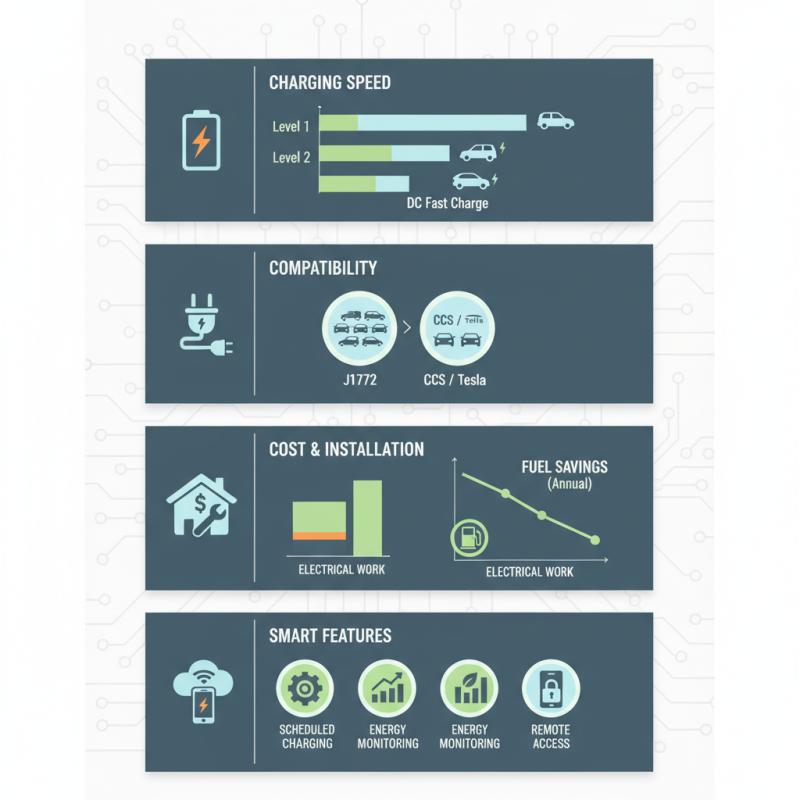
Several factors influence selection, including charging speed, compatibility, and installation costs. Studies show that homeowners can save over $1,000 on fuel annually by relying on home charging. This is significant considering the rise in gasoline prices. Yet, not everyone understands the infrastructure requirements for effective home charging. This often leads to underestimating the total cost of ownership.
Additionally, as technology evolves, newer models may offer features such as smart charging and energy management. Not all stations are equal, and picking the wrong one may lead to frustration. Reflecting on performance, many users find they need to upgrade sooner than expected. A thoughtful approach in choosing a Home EV Station not only enhances user experience but also maximizes benefits.
Understanding Your Electric Vehicle Charging Needs
When selecting the best home EV station, understanding your charging needs is crucial. According to a recent report by the International Energy Agency, global EV sales reached 10 million units in 2022, highlighting the growing demand for efficient charging solutions. Assess your driving habits. If you commute less than 40 miles daily, a Level 2 charger is often sufficient. However, if you embark on longer trips, consider a more robust option to prevent range anxiety.
Additionally, you should evaluate your home's electrical capacity. Most residential systems can handle a Level 2 charger, which provides about 25 miles of range per hour of charging. A detailed analysis revealed that around 70% of residential installations require minimal upgrades. Consider the locations of your parking spaces. Easy access to the charging station simplifies your daily routine. An inconvenient setup can lead to frustration and reduced charging frequency.
Monitor advancements in charging technology too. The industry is rapidly evolving, with fast-charging options becoming more efficient. Yet, not all chargers are created equally. A recent consumer survey showed that users often found limiting factors in their charging experience. These reflections can help refine your choice and improve your EV ownership journey.
Types of Home EV Charging Stations Available
Choosing the right home EV charging station involves understanding the types available. Basic options include Level 1 and Level 2 chargers. Level 1 chargers use standard household outlets. They are slow, typically adding about 4 to 5 miles of range per hour. This is sufficient for light usage but can be inconvenient for daily commutes.
On the other hand, Level 2 chargers require a dedicated 240-volt outlet. They offer faster charging, often delivering 20 to 25 miles of range per hour. According to a study by the U.S. Department of Energy, about 80% of EV owners prefer Level 2 stations for their home setups. These chargers can be installed in garages or driveways. However, installation costs can vary.
Another option is DC fast charging stations. These are less common for home use but provide rapid charging. They can replenish 80% of the battery in 30 minutes. Yet, they require significant power supply upgrades. The initial investment and ongoing energy costs can be high. It's crucial to consider your driving habits, vehicle specifications, and electrical infrastructure before making a choice.
Key Features to Consider When Selecting an EV Station
When selecting a home EV station, several key features will guide your decision. Charging speed is crucial. Look for stations that support high-power output to reduce charging time. A Level 2 charger is often ideal for home setups, offering a good balance between speed and cost. Some stations even include smart features for scheduling and monitoring sessions, allowing flexibility to charge during off-peak hours.
Next, consider compatibility with your electric vehicle. Not all EVs use the same plug type, so aligning your choice with your vehicle's needs is essential. Additionally, think about installation requirements. Some stations may need professional installation, while others can be DIY-friendly. Your home's electrical capacity will also impact whether you need an upgrade.
Lastly, pay attention to warranty and customer support. A reliable product often comes with a strong warranty. Good customer support can mean a smoother experience if you encounter issues. Reflect on your future needs as well. If you plan to expand your EV fleet, choosing a more versatile station may be worthwhile. What seems perfect now might need reevaluation later.
Installation Requirements and Considerations
When considering the installation of a home EV station, several key factors come into play. First, the electrical capacity of your home is crucial. You'll need to check your circuit panel. Upgrading may be required if it cannot handle the additional load. This can involve both time and costs, which many homeowners overlook.
Next, think about the location. Ideally, the station should be close to where you park your vehicle. This reduces the length of wiring needed. Opting for a more centralized placement might save money but can present access challenges. You might also want to consider local regulations. Some regions have specific codes concerning EV station installation, which could lead to delays.
Another aspect is the type of installation: wall-mounted or pedestal. Wall-mounted stations save space but require suitable wall strength. Pedestal options allow for easier access but take up more space. Assessing which option fits best in your garage or driveway is a critical reflection point. Ultimately, the right choice blends practicality with your home’s existing infrastructure and your future needs.
How to Choose the Best Home EV Station for Your Needs? - Installation Requirements and Considerations
| Feature | Description | Considerations |
| Power Level | Level 1 (120V), Level 2 (240V), and Level 3 DC fast charging. | Assess your EV’s charging capacity and your charging speed needs. |
| Installation Location | Garage, driveway, or exterior wall access. | Ensure accessible parking and proximity to your electrical panel. |
| Circuit Requirements | Dedicated circuit, amperage requirements based on charger type. | Check home wiring capacity; consult an electrician if unsure. |
| Safety Features | Ground fault protection, surge protection, overheating prevention. | Choose models with built-in safety features for added security. |
| Network Connectivity | Wi-Fi or Ethernet for smart features and monitoring. | Consider models that allow remote control and usage tracking. |
| Installation Cost | Cost of charger plus any installation fees. | Get multiple quotes and factor in any electrical upgrades needed. |
| Incentives | Local, state, and federal rebates or tax credits. | Research incentives available in your area to reduce costs. |
Cost Analysis and Budget Planning for Your EV Station
When planning for a home EV station, cost analysis is crucial. Start by assessing installation expenses. These can vary based on your home’s electrical capacity and distance from the main power source. A basic installation may cost less, while more complex setups could lead to higher charges. Factor in both labor and materials to avoid surprises.
Budget planning extends beyond initial setup. Consider ongoing electricity costs and potential maintenance fees. Evaluate usage patterns to estimate monthly costs. For example, charging an EV overnight can be more cost-effective due to lower rates. Also, think about possible incentives or rebates available in your area that could ease financial burdens.
It’s essential to track expenses over time. Analyze your electricity bills closely. Are there spikes in usage when charging? Reflect on how your charging habits impact overall costs. Adjust these habits if necessary. Documenting this data can help forecast future expenses and inform decisions on upgrades as your needs evolve.