How to Choose Globe Valves for Efficient Procurement?
When selecting globe valves for efficient procurement, understanding their importance is crucial. Globe valves are widely used in various industries for regulating fluid flow. Their design allows for precise control, which is essential in many applications. However, not all globe valves are created equal.
Choosing the right globe valves involves several factors, including material, pressure rating, and application compatibility. It is vital to consider these elements to ensure reliability and efficiency. Sometimes, a cheap option might seem appealing but could lead to failures. Long-term costs often outweigh initial savings.
Furthermore, consulting with experts or reliable sources can enhance your decision-making process. Technical specifications can be overwhelming, yet they are necessary for an informed choice. Aim for a balance between cost and quality. Sometimes, it’s easy to overlook the finer details, which can result in significant issues later on. Therefore, a thorough understanding of globe valves is essential for successful procurement.

Understanding the Basics of Globe Valves and Their Applications
Globe valves are essential components in various piping systems. Their design allows for precise flow control, making them ideal for applications requiring throttling. These valves can handle high pressures and temperatures, which is why they're often found in industrial settings and HVAC systems.
In choosing globe valves, it's crucial to consider the medium being controlled. For water, a simple bronze or brass construction may suffice. However, for corrosive chemicals, more robust materials like stainless steel are necessary. Pay attention to the valve size, as mismatched dimensions can lead to system inefficiencies. Regular maintenance is also vital. Without it, even the most reliable valve can fail.
Think about ease of installation and operation. Some valves may require special tools for adjustments or replacements. This can complicate maintenance. Additionally, remember that not all globe valves are created equal. Some may perform better under certain conditions than others. Evaluating your specific needs will help in making the right choice.
Key Materials and Standards for Globe Valve Manufacturing
Choosing the right materials for globe valves is crucial for long-term performance. Common materials include cast iron, stainless steel, and bronze. Each material has unique properties that suit different applications. For high-temperature or corrosive environments, stainless steel is often preferred due to its durability.
Standards play a vital role in ensuring the quality of globe valves. Look for valves that comply with industry standards like ANSI or ASME. These standards ensure that the valves are tested for pressure and temperature thresholds. Be aware that using valves not meeting these standards may lead to failures or safety risks.
Tips: Always inspect the material specifications when purchasing. Don't overlook the importance of certifications. Ask suppliers about the manufacturing process. Reputable manufacturers will provide detailed information on their quality control measures. This can save you from regret later. Remember, the wrong choice can lead to costly repairs or replacements.
Globe Valve Materials and Standards
Evaluating Valve Sizing and Pressure Ratings for Optimal Performance
When selecting globe valves, sizing and pressure ratings play a critical role. Each application has unique requirements. Understanding these requirements can enhance efficiency. Valves that are too small may restrict flow. Conversely, oversized valves can lead to pressure drops and inefficiencies.
Pressure ratings matter significantly. They indicate how much pressure a valve can handle without failing. If the rating is too low for your system, it can result in dangerous leaks or failures. Always match the valve’s pressure rating with your system’s needs. This prevents costly downtimes.
Consider the materials used in construction. Corrosive environments demand robust materials. Incorrect choices can lead to premature wear. Reflection on past experiences can aid in better decision-making. Gathering insights from engineers with field experience can provide valuable guidance. Tailoring the selection process based on real-world applications can enhance procurement outcomes.
Best Practices for Cost-Effective Procurement of Globe Valves
In the procurement of globe valves, understanding best practices can significantly impact cost-effectiveness. A recent industry report indicates that properly chosen valves can optimize energy use by up to 30%. This optimization reduces long-term operational costs, making initial procurement decisions critical.
Evaluating valve materials and sizes is vital. Incorrect specifications may lead to premature failures, incurring additional costs. For example, selecting the wrong alloy can result in corrosion issues. Such mistakes are common in the industry, affecting nearly 20% of procurement processes, according to the 2022 Valve Manufacturers Study. It stresses the need for detailed assessment during the selection phase.
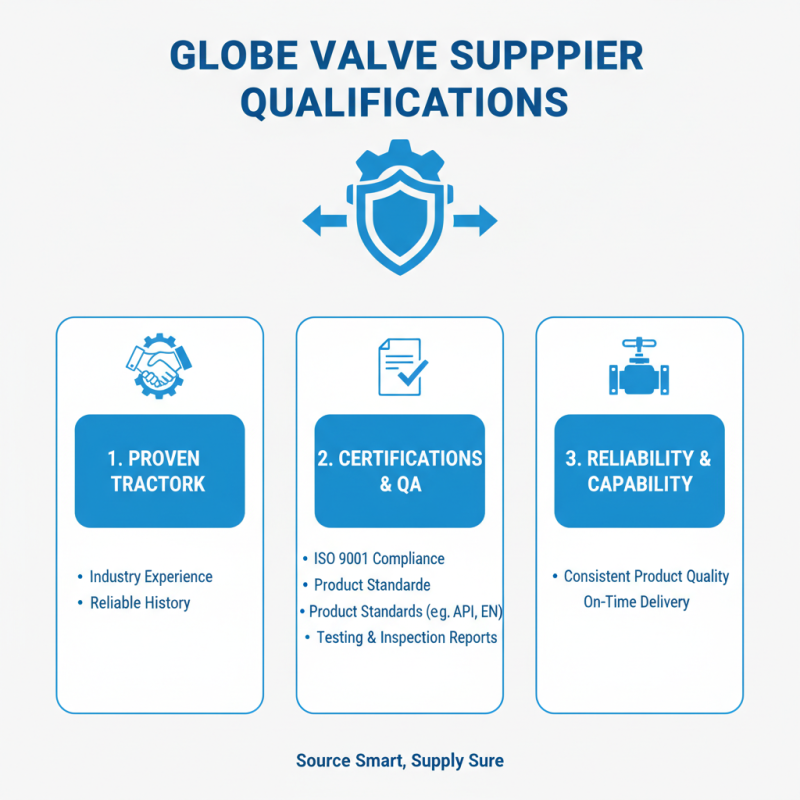
Supplier reliability is another consideration. Not all suppliers maintain the same quality standards. Research shows that 25% of procurement issues stem from subpar supplier performance. Valves sourced from unreliable vendors may not meet specifications, leading to project delays. Ensuring consistent quality from suppliers can enhance procurement efficiency and reduce risks involved in project timelines.