Why Choose Globe Valves for Your Industrial Needs?
In industrial applications, the choice of valves plays a crucial role in system functionality and efficiency. Globe valves are a popular option among engineers and facility managers. Their design allows for precise flow control, which is essential in processes requiring careful management of fluids.
Globe valves offer significant advantages over other types of valves. They can handle high pressures and temperatures effectively. Their compact design fits well in tight spaces, yet they provide robust performance. However, not every application may benefit from globe valves. Their resistance may lead to pressure drops that could impact performance.
Choosing the right valve depends on understanding specific needs. Explore how globe valves can meet your operational requirements. Their reliability, adaptability, and control capabilities make them a strong candidate for various industrial applications. However, always consider the implications of using them in your unique system.
Understanding Globe Valves and Their Operational Mechanism
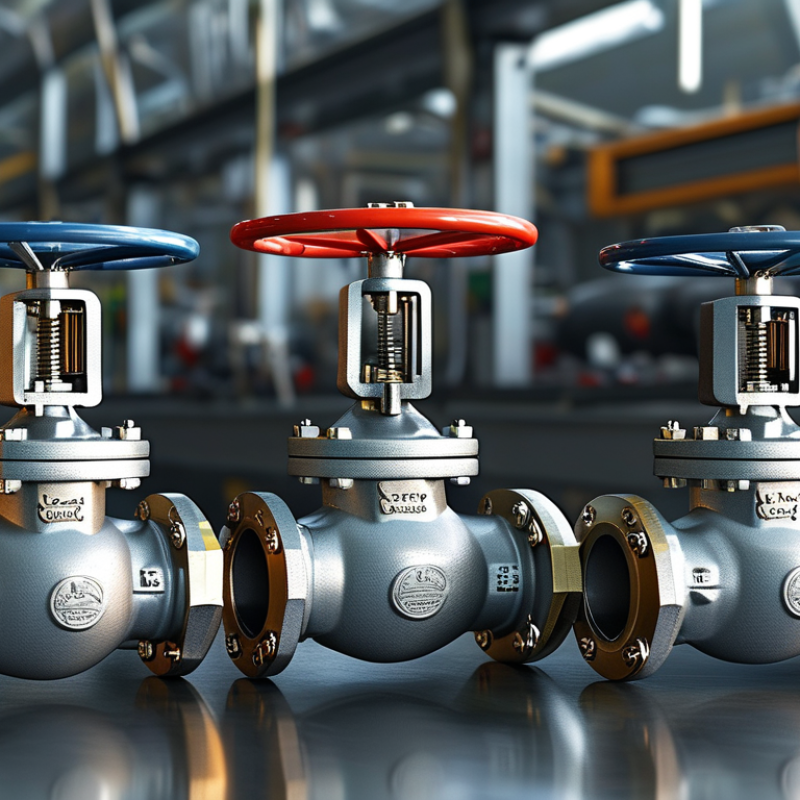
Globe valves are essential in industrial applications due to their unique operational mechanism. These valves are designed to provide precise control over fluid flow. The internal structure features a movable disk that regulates flow through the valve body. This design allows for a gradual opening and closing, making it effective for throttling applications. Operators often appreciate the enhanced control, which is vital in processes requiring a consistent flow rate.
While globe valves are known for their efficiency, there are aspects worth pondering. Their design can lead to higher pressure drops compared to other valve types. This can affect overall system efficiency, particularly in large-scale operations. Also, the maintenance of globe valves can be labor-intensive due to their complex assembly. It's important for operators to weigh these factors against the benefits. Assessing the specific application needs helps in making an informed decision.
Choosing a globe valve involves evaluating various criteria such as flow characteristics and site conditions. Understanding the operational mechanism is crucial in optimizing performance. An informed approach can prevent potential issues down the road while ensuring that the selected valve aligns with industrial goals.
Key Advantages of Using Globe Valves in Industrial Applications
Globe valves are increasingly favored in industrial applications due to their unique advantages. These valves provide excellent throttling capabilities, allowing precise control of flow. According to a recent industry report, about 70% of engineers prefer globe valves for their ability to manage high pressures effectively. Their design features a streamlined flow path, reducing turbulence and energy loss.
Globe valves offer durability and reliability, which are crucial for heavy-duty operations. Their metal seating surfaces can withstand severe conditions. This characteristic is backed by studies indicating that globe valves have a lifespan exceeding 20 years in high-stress scenarios. Their versatility in handling various media, such as gases and liquids, makes them suitable for diverse industrial sectors.
Consider the type of application before selecting a valve. Understanding specific operational pressures and temperatures is essential. Incorrect choices can lead to unexpected failures or inefficiencies. Investing time in research is critical. Regular maintenance can further extend the life of globe valves. Monitoring performance helps in identifying wear early, ensuring continuous operation.
Comparison of Globe Valves with Other Valve Types
Globe valves are engineered for precise flow regulation. They feature a spherical body design that allows for smooth flow control.
This design stands in contrast to gate valves, which are mainly used for on/off applications. Gate valves lack the ability to regulate flow
as effectively, leading to potential inefficiencies in certain systems.
When comparing globe valves to ball valves, notable differences arise. Ball valves offer quick shut-off but aren't ideal for throttling.
Their design promotes a minimal pressure drop, making them unsuitable for flow control applications. Globe valves, with their restrictive
flow path, excel in scenarios requiring careful adjustment. They can handle various flow rates, providing more flexibility.
However, globe valves come with their own challenges. Their resistance to flow can lead to increased energy consumption. Over time, this
can affect system efficiency. Additionally, frequent adjustments can cause wear and tear, necessitating regular maintenance.
Balancing these factors is key for businesses aiming for operational efficiency while ensuring reliability.
Factors to Consider When Selecting Globe Valves for Your Industry
Choosing the right valve for industrial applications is crucial. Globe valves offer unique advantages that make them suitable for various industries. When selecting globe valves, several factors need attention to ensure optimal performance.
One key consideration is the flow control required by your application. Globe valves are designed for throttling, which allows for precise flow regulation. According to a recent industry report, globe valves can achieve up to 90% flow efficiency under specific conditions, making them ideal for processes demanding controlled flow rates. Additionally, the material of the valve plays a significant role. Selecting the right material ensures durability and resistance to corrosion, especially in harsh environments. Stainless steel and bronze are common choices due to their strength and longevity.
Another aspect to reflect on is the operating pressure and temperature. Globe valves need to withstand various conditions, depending on their application. Reports indicate that improper selection can lead to premature wear or failure, resulting in costly downtime. Assessing the valve's pressure rating is critical. Understanding these factors will help in making an informed choice that enhances efficiency and reliability in your operations.
Why Choose Globe Valves for Your Industrial Needs?
This chart illustrates the importance of various factors to consider when selecting globe valves for industrial applications. Flow control and pressure regulation are deemed the most critical, while cost efficiency is considered the least important among the factors evaluated.
Maintenance Tips for Ensuring Longevity of Globe Valves
Globe valves are essential in various industrial applications for regulating fluid flow. Ensuring their longevity requires proactive maintenance. Regular inspections can prevent costly downtime. In fact, research indicates that poor valve maintenance can lead to a 20% decrease in system efficiency over time.
Lubrication is crucial. Using appropriate lubricants helps reduce friction and wear. Make sure to check and replenish lubrication regularly, especially in high-use environments. Additionally, monitor for leaks and unusual sounds. These can signal internal wear, requiring immediate attention. A study by the Valve Manufacturers Association reveals that 30% of valve failures stem from inadequate maintenance practices.
Another vital aspect is the valve’s operating environment. Extreme temperatures and corrosive fluids can severely impact valve lifespan. Installing protective covers or heat shields may mitigate these effects. It's also important to ensure proper installation. Misalignment can lead to stress and premature failure. Always consult best practices for valve installation and handling to foster reliable operation.