How to Choose the Best Stainless Steel Weld Fittings?
Choosing the best stainless steel weld fittings can be a daunting task. Many factors come into play, making it crucial to understand your specific needs. Quality weld fittings enhance durability and efficiency in any piping system. The right choice can prevent costly repairs and downtime.
Considerations like material grade and size are important. Stainless steel is known for its corrosion resistance, but not all grades offer the same level of performance. Knowing the right specifications can save you time and money. Additionally, researching the manufacturer's reputation is vital. A trusted brand reflects reliability and quality assurance in the industry.
Ultimately, selecting stainless steel weld fittings requires careful analysis. Reflect on your project's demands and future needs. This approach ensures that you invest in the most suitable fittings for your application. A knowledgeable selection will pay off in long-term performance.
Understanding the Types of Stainless Steel Weld Fittings Available
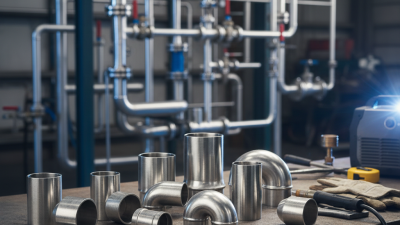
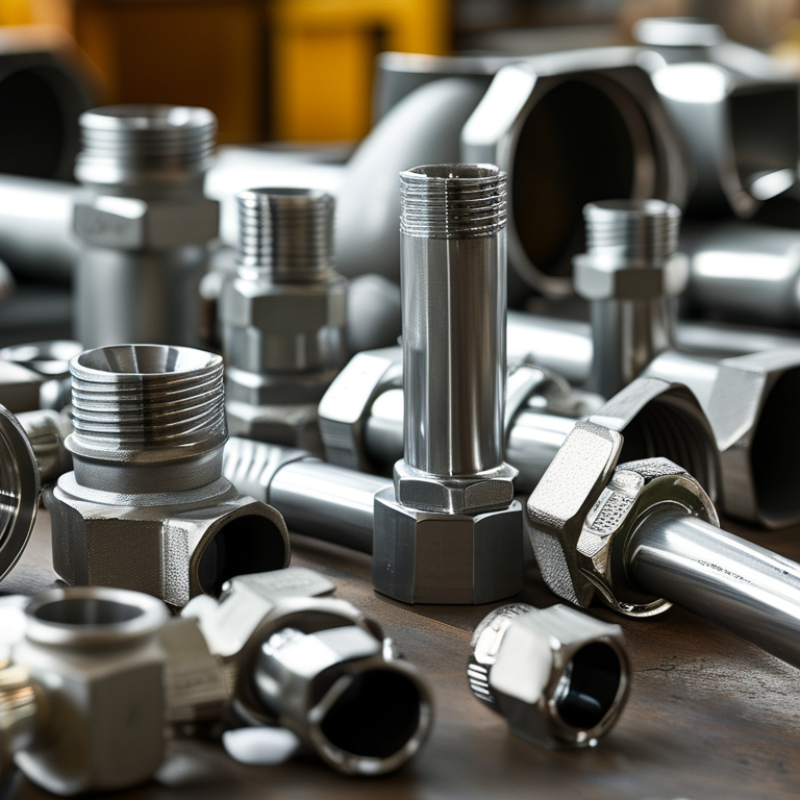
When selecting the best stainless steel weld fittings, understanding the types available is crucial. Various options cater to different applications. There are general-purpose fittings, such as elbows, tees, and reducers. Each plays a unique role in fluid transport systems. For instance, elbows change the direction of flow, while tees branch off pipes.
Specialized fittings also exist, like cross fittings or flanges for sealing connections. These can withstand higher pressures or temperatures. Sometimes, users might overlook the material grade. Choices among 304, 316, or other alloys significantly affect durability and corrosion resistance. A fitting made from the wrong grade may lead to premature failure.
It's essential to consider installation requirements too. Some fittings need precise welding techniques. Others might require specialized tools. Improper installation can lead to leaks or structural weaknesses. Reflecting on your experience with fittings can highlight areas for improvement. Are the right tools at hand? Assessing these factors helps ensure a reliable outcome and enhances overall system performance.
Assessing the Material Quality and Specifications for Weld Fittings
When selecting stainless steel weld fittings, assessing material quality is crucial. Stainless steel comes in various grades, each with specific properties. For example, grade 304 is common due to its good corrosion resistance and formability. However, for applications in harsh environments, grade 316 is preferable, as it includes molybdenum, enhancing its resistance to pitting and chloride corrosion.
Specifications should not be overlooked. Fittings must adhere to industry standards such as ASTM and ASME. According to a recent report by the International Stainless Steel Forum, choosing fittings that meet these standards can significantly reduce failure rates in critical applications. However, many users often underestimate the importance of certifications. An unverified fitting could lead to unexpected failures.
Durability is a significant factor worth examining. Manufacturers often emphasize their products’ longevity, yet real-life conditions can vary drastically. Environmental factors, like exposure to saltwater or extreme temperatures, can diminish a fitting’s lifespan. Therefore, always consider the real-world application before making a decision. Balancing technical specifications with practical needs can lead to better choices in weld fittings.
Evaluating the Size and Dimensions for Your Application Needs
Choosing the right stainless steel weld fittings requires careful attention to size and dimensions. The specific needs of your application dictate these factors. Incorrect sizing can lead to leaks or failures, causing significant operational setbacks. According to industry data, around 30% of piping failures stem from improper fittings. Understanding diameter, wall thickness, and length is essential.
When evaluating sizes, consider the flow rate and pressure requirements of your system. For example, using a fitting with a larger diameter than necessary can cause turbulence. Conversely, a fitting that's too small may restrict flow, leading to pressure drops. Striking a balance is crucial for optimal performance in your application.
For enhanced reliability, always verify that fittings meet industry standards, like ASTM or ASME specifications. These standards ensure compatibility and durability. Remember, not all fittings are created equal. Be ready to question whether the fit is ideal for your system's demands. Regular inspections can reveal slow degradation, ensuring better long-term outcomes.
Taking the time to assess dimensions thoughtfully pays off. Your project's success relies on these details. Make size evaluation a priority in your purchasing decision.
How to Choose the Best Stainless Steel Weld Fittings? - Evaluating the Size and Dimensions for Your Application Needs
| Fitting Type |
Size (inches) |
Dimension (mm) |
Pressure Rating (psi) |
Temperature Range (°F) |
| Elbow |
2 |
50.8 |
1500 |
-30 to 100 |
| Tee |
3 |
76.2 |
1200 |
-20 to 200 |
| Cap |
1.5 |
38.1 |
1000 |
-40 to 150 |
| Union |
4 |
101.6 |
800 |
-10 to 180 |
| Reducer |
2 to 1.5 |
50.8 to 38.1 |
900 |
-25 to 175 |
Considering Corrosion Resistance and Alloy Composition
When selecting stainless steel weld fittings, understanding alloy composition is crucial. Different stainless steel grades offer varying levels of corrosion resistance. For instance, 304 stainless steel is common for general use but might struggle in harsher environments. In contrast, 316 stainless steel contains molybdenum, enhancing its resistance to saltwater and other corrosive agents. It's vital to assess the environment where the fittings will be used.
Corrosion resistance is not just a number. Real-world applications often reveal how different materials react over time. For example, even minor factors like temperature and chemical exposure can influence performance. Sometimes, weld fittings fail not due to poor manufacturing but because their composition is ill-suited for specific applications. Testing is essential to ensure long-term durability and reliability. Considerations like pH levels and exposure to specific contaminants can make a significant difference, leading to unexpected failures.
Corrosion Resistance of Different Stainless Steel Alloys
Analyzing Cost vs. Durability in Stainless Steel Weld Fittings
When selecting stainless steel weld fittings, understanding the balance between cost and durability is crucial. Recent industry reports indicate that the lifecycle cost of fittings can vary significantly based on material quality. For instance, fittings made from 304 stainless steel tend to be more cost-effective upfront, but they may lack the durability required for extreme conditions.
In contrast, 316 stainless steel offers superior corrosion resistance, making it ideal for harsh environments. Investing in higher-grade materials often leads to lower maintenance costs. The data suggests that systems using 316 fittings can last 20% longer than those with lesser alternatives, reducing replacement frequency. However, the initial investment can be 10% to 30% higher.
Ultimately, the decision involves a thorough analysis of specific application requirements. While a lower price point can be tempting, it may result in additional costs over time. Users should carefully evaluate their needs and the operational environment before making a choice. This reflection can ensure long-term savings and performance reliability.