How to Choose the Best Valves Fittings for Your Needs?
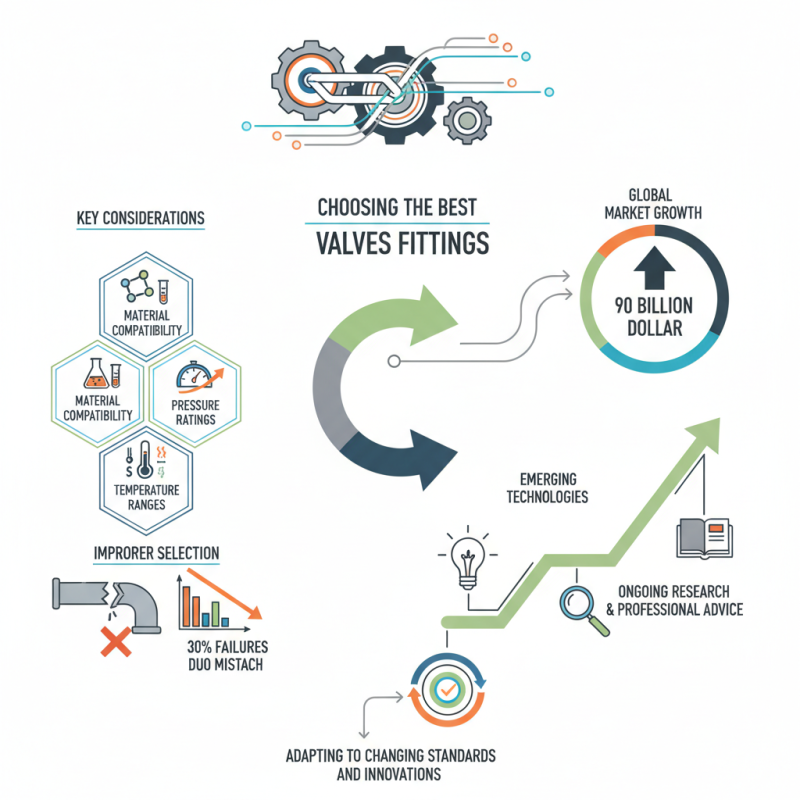
Choosing the best valves fittings for your needs can be a complex task. The global valves market is projected to reach $90 billion by 2027. This growth highlights the importance of choosing appropriate components for your applications. Valves fittings play a key role in controlling flow and pressure in piping systems.
Understanding your specific requirements is crucial. Factors such as material compatibility, pressure ratings, and temperature ranges need careful evaluation. According to industry reports, improper selection can lead to system failures and costly maintenance. A recent study noted that over 30% of valve failures are due to mismatched fittings. This emphasizes the importance of making informed decisions.
In this rapidly evolving industry, staying updated with trends is essential. New materials and technologies are emerging consistently. It isn't enough to rely on past experiences; ongoing research and professional advice are vital. You may find that what worked last year may not be adequate today. Therefore, it's important to reflect on your choices in light of changing standards and innovations.
Understanding Different Types of Valves and Their Applications
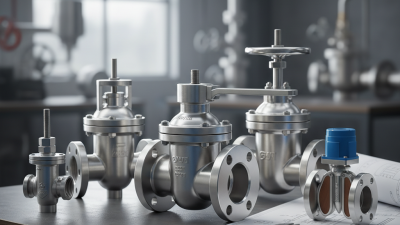
When it comes to selecting valves, it's crucial to understand the various types available and their specific applications. Common valve types include
ball valves,
gate valves, and
globe valves.
Ball valves are known for quick on-off control. They work well in high-pressure scenarios.
Globe valves excel at regulating flow. Their design makes them ideal for throttling.
Each valve type has unique characteristics that impact performance. For instance, gate valves provide minimal flow restriction.
However, they can be slow to operate. This can be an issue in fast-paced environments.
It's essential to weigh these details against your project needs.
Sometimes, the best choice isn’t clear-cut. A valve that fits one application might struggle in another.
Therefore, consulting experts can provide insight into specific requirements. Doing so minimizes risks associated with poor valve selection.
It's worth taking the time to analyze these factors carefully.
Key Factors to Consider When Choosing Valve Fittings
Choosing the right valve fittings is essential for the efficiency of your system. Focus on specific factors to ensure proper selection. A key element is the material. The most common materials include brass, stainless steel, and PVC. Each material has its strengths, impacting the longevity and compatibility with various media.
For instance, stainless steel fittings can withstand higher pressures and temperatures, while PVC may be more cost-effective in low-pressure applications.
Consider the application where these fittings will be used. Factors like pressure ratings are crucial. Research from the Valve Manufacturers Association indicates that 60% of valve failures stem from incorrect pressure ratings. An inappropriate rating could lead to leaks or system failures. Engineers should also account for the fitting's design. Some fittings offer unique features, like anti-vibration technology, which can enhance system stability.
Lastly, check industry standards and certifications. Compliance with ANSI or ISO ensures safety and reliability. A study from the American Society of Mechanical Engineers emphasizes the importance of following these standards to minimize failures. Remember, even minor discrepancies in fitting selection can lead to costly downtime or unsafe conditions. Proper selection is not just about meeting specifications; it's crucial for overall system health.
Materials and Compatibility: Ensuring Longevity and Safety
Choosing the right material for valve fittings is crucial. Different environments demand specific materials that can withstand varying conditions. For instance, stainless steel is known for its resistance to rust and corrosion, making it a popular choice in water systems. On the other hand, PVC is lightweight and resistant to many chemicals, ideal for various industrial applications.
Compatibility is another key factor. Not all materials work well together, and using incompatible fittings can lead to leaks or failures. For example, a rubber gasket may degrade quickly when paired with certain chemicals, which could be detrimental. Regular testing and maintenance are essential to ensure that all components perform well over time.
It’s also vital to consider temperature and pressure ratings. Some materials might handle high pressure but fail at extreme temperatures. Checking these specifications is often overlooked, leading to operational failures. Evaluate your specific needs carefully. Each application is unique, and a one-size-fits-all approach could result in costly mistakes.
How to Choose the Best Valves Fittings for Your Needs? - Materials and Compatibility: Ensuring Longevity and Safety
| Material |
Compatibility |
Temperature Range |
Pressure Rating |
Typical Applications |
| Stainless Steel |
Water, Oil, Gas |
-196°C to 600°C |
Up to 1500 psi |
Industrial piping, food processing |
| PVC |
Water, Sewage |
0°C to 60°C |
Up to 150 psi |
Drainage, irrigation |
| Brass |
Water, Air |
-20°C to 120°C |
Up to 300 psi |
Plumbing, HVAC systems |
| Aluminum |
Water, Air, Fuel |
-40°C to 150°C |
Up to 400 psi |
Automotive, aerospace |
| Polypropylene |
Acids, Bases |
0°C to 80°C |
Up to 100 psi |
Chemical processing |
Assessing Pressure and Temperature Ratings for Valves
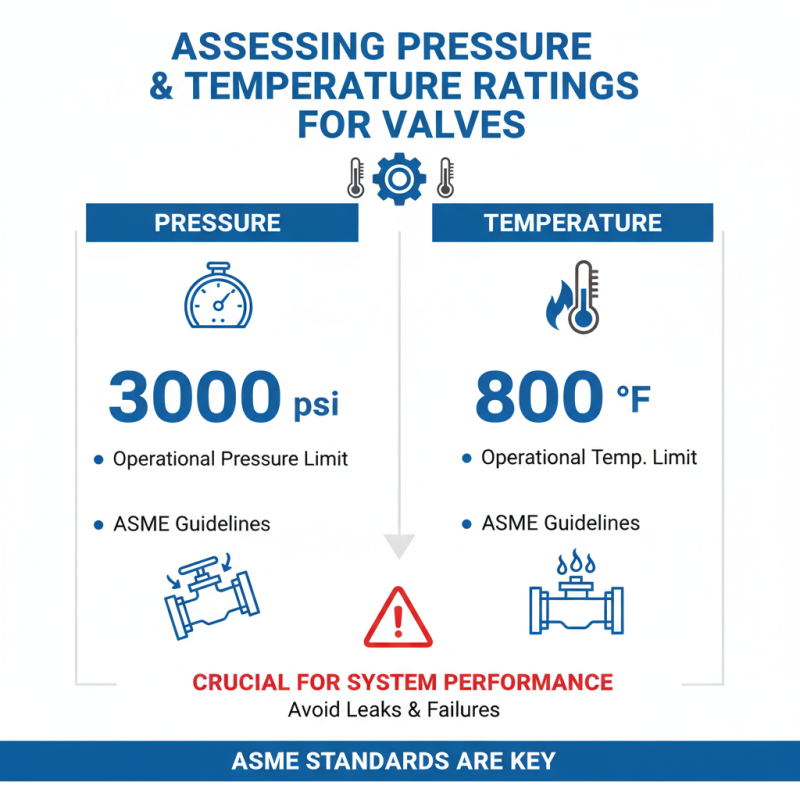
When choosing valves, assessing pressure and temperature ratings is crucial. These ratings determine how your system will perform under various conditions. The American Society of Mechanical Engineers (ASME) provides guidelines that emphasize understanding these ratings. Valves must withstand operational pressures up to 3000 psi and temperatures reaching 800°F. Failure to account for these factors can lead to leaks or catastrophic failures.
Different applications require different specifications. For instance, steam applications demand higher temperature ratings than water systems. According to a report from the Valve Manufacturers Association of America, improper ratings have caused 40% of industrial valve failures. This statistic highlights the importance of matching valve specifications to system requirements.
Furthermore, environmental considerations play a role. Factors such as humidity and chemicals can affect material selection. A recent survey found that 25% of engineers regretted not considering environmental impacts. This oversight can lead to unexpected maintenance challenges. Evaluating pressure and temperature ratings thoroughly can help prevent such issues, ensuring system reliability and efficiency.
Installation and Maintenance Tips for Optimal Performance
Installation and maintenance of valves and fittings is crucial for ensuring optimal performance. According to a report by the Valve Manufacturers Association, improper installation can lead to a 30% increase in operational failure rates. This highlights the importance of following manufacturer guidelines during the installation process. Ensure that you are using the correct tools. A simple error in tightening can lead to leaks or ruptures.
Regular maintenance checks are equally vital. The American Society of Mechanical Engineers recommends routine inspections every six months. This includes checking for corrosion, leaks, and proper alignment. Ignoring these checks may lead to significant downtime. A study from the International Journal of Pressure Vessels and Piping indicates that 45% of maintenance issues stem from neglecting these simple practices.
Consider employing monitoring systems that provide real-time data on valve performance. These systems can help identify issues before they become serious problems. However, the implementation of such systems requires training. Investing in training programs can pay off in reduced maintenance costs and increased reliability. Often, organizations overlook the importance of this, which can lead to costly mistakes.