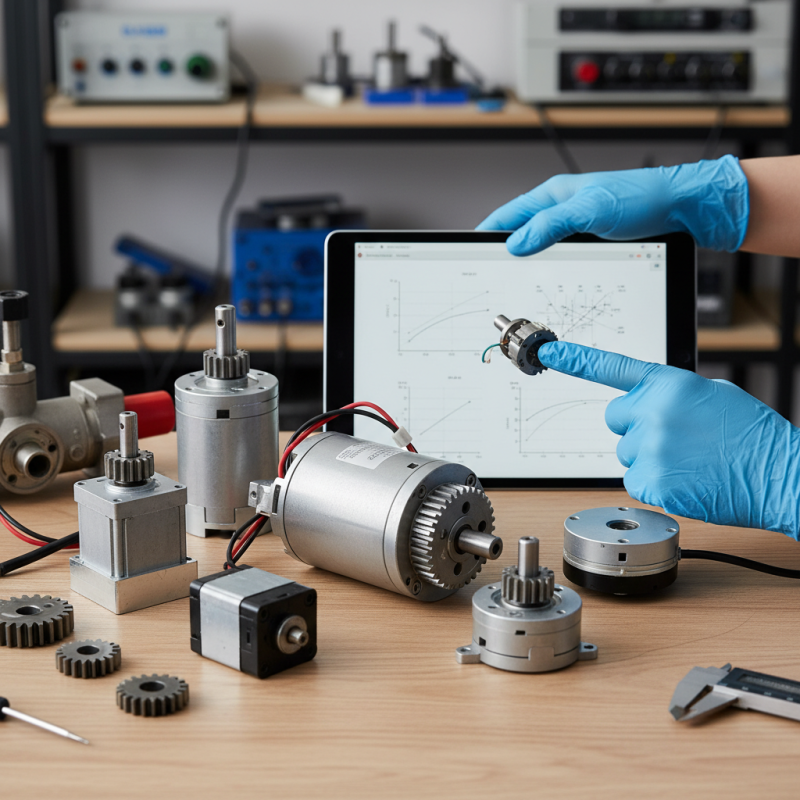
How to Choose the Right Valve DC Gear Motor for Your Needs?
Choosing the right Valve DC Gear Motor is crucial for your application. It affects efficiency and performance. Understanding the specific requirements of your project is important.
Valve DC Gear Motors are used in various industries. They play a key role in automation, robotics, and control systems. Selecting a suitable motor can be complex, often overwhelming. Some may overlook essential features, leading to inefficient operations.
Consider factors such as torque, speed, and power. Size and space constraints can influence your choice as well. Yet, many users may not evaluate these aspects thoroughly. Reflecting on your needs can lead to better decisions. When you match the motor with your application, results improve significantly.
Understanding the Basics of Valve DC Gear Motors
Understanding valve DC gear motors is essential for making an informed choice. These motors combine a direct current (DC) motor with reduction gears. This setup allows for reduced speed and increased torque. They are commonly used in automated systems. Think about applications like robotics or valve control.
When choosing a valve DC gear motor, consider several factors. Torque requirements play a significant role. You must determine the load the motor needs to handle. Next, consider the speed you require. Too much speed may lead to inefficiency. On the other hand, too little could hinder performance. This balance is crucial and requires careful thought.
Additionally, size and weight matter. Sometimes, a larger motor seems powerful. But compact options may perform better in limited spaces. Reflect on these aspects while making a decision. Each choice has its advantages and drawbacks. Ensuring your selection fits your specific needs is essential, even if that involves second-guessing your initial choice.
Identifying Your Specific Application Requirements
Selecting the right valve DC gear motor starts with understanding your application needs. Think about the specific tasks the motor must perform. Is it for precise control, or does it require high torque? The expected load is also important. For example, lifting heavy objects takes a different approach than simple rotational tasks.
Consider the environment where the motor operates. Does it need to withstand extreme temperatures? Are there dust or moisture concerns? These factors influence your choice. Look at the motor's size as well. Space constraints can limit options. An oversized motor might not fit, while one that’s too small may underperform.
Lastly, evaluate power requirements. Are you using batteries or a constant power supply? Miscalculating this could lead to failures. Remember, the right motor enhances efficiency. A poor choice can lead to frustration and wasted resources. Reflect on your needs carefully before making a decision.
Evaluating Key Specifications of Valve DC Gear Motors
When selecting the right valve DC gear motor, evaluating key specifications is crucial. Efficiency is one of the primary factors. Research indicates that an efficient motor can reduce energy consumption by up to 25%. It’s essential to check the motor's efficiency rating as it significantly impacts operational costs. Look for motors with at least 80% efficiency when under load.
Torque is another vital specification. It determines how much force the motor can apply to the valve. Standard torque ratings for valve DC gear motors typically range from 0.5 Nm to 5 Nm. This variation affects the motor's ability to handle specific valve sizes and types. Choosing a motor with too little torque can lead to performance issues. Conversely, excessive torque may cause system damage.
Speed is equally important. Most valve DC gear motors operate between 10 to 60 RPM. However, the right choice depends on the application. High-speed motors may seem advantageous, yet they can lead to rapid wear and tear. Many users overlook the importance of speed control mechanisms. These features can prevent potential system failures. Evaluate all specifications carefully to make an informed decision.
Comparing Different Types and Brands of Valve DC Gear Motors
When choosing a valve DC gear motor, consider the application. Different types serve unique purposes. A compact motor may fit in tight spaces but might struggle with heavier loads. Always weigh the pros and cons. Pay attention to torque ratings. Too little can lead to failure. Too much can damage components.
Various brands offer a range of features. Some emphasize durability, while others focus on efficiency. Performance data can be misleading. Look for real-world feedback. Seek reviews that detail experience and reliability. This will provide useful insights. Don't rush the decision. Take the time to analyze all options.
Size is not everything. A smaller motor may seem ideal. Yet, it could lack the necessary power. Consider environmental factors too. Extreme temperatures can affect motor behavior. Be mindful of design flaws in cheaper models. They can lead to unexpected problems. Making a choice requires careful thought.
Making the Final Decision: Installation and Maintenance Considerations
When selecting a valve DC gear motor, installation and maintenance are crucial. A recent industry report highlights that 30% of motor failures stem from improper installation. Ensure the alignment of the motor with the valve is perfect. Misalignment can lead to increased wear and energy consumption.
Regular maintenance is essential. Reports indicate that routine checks can extend motor lifespan by up to 40%. Inspect connections and clean components periodically. Addressing small issues can prevent larger problems. Use appropriate lubricants to reduce friction, but avoid over-lubrication, which can attract contaminants.
Consider the operating environment. Moisture and dust can hinder performance. An IP rating of at least IP54 is recommended for dusty or damp locations. It’s often overlooked, but planning for easy access during installation can simplify maintenance. By acknowledging these factors, you can enhance the motor's efficiency and durability. Reflect on previous installations and learn from past mistakes to optimize future choices.