
Quality Products

At a Fair Price

Wholesale Provider

Of Valves & Fittings

  • Corporate Office: 1301 Greengrass Drive Houston, TX 77008
  • 1-800-237-2512

Quality Products

At a Fair Price

Wholesale Provider

Of Valves & Fittings

How to Choose the Best Copper Wire Recycling Machine

Choosing the right Copper Wire Recycling Machine is not simply a matter of comparing prices. It requires practical judgment, technical knowledge, and careful attention to the material being processed. A small workshop may handle thin household cables, while an industrial plant may process thick, mixed, or heavily insulated wires. These materials demand different cutting systems, granulator designs, separation methods, and motor capacities. Dr. Mark E. Schlesinger, author of Copper Recycling, has emphasized that “recycling preserves the value already contained in a material.” That principle matters here. A machine should recover clean copper efficiently, not merely reduce cable volume.

Real operating conditions often expose weaknesses hidden in brochures. A machine may claim high capacity, yet perform poorly when cables contain moisture, aluminum, plugs, or unusual insulation. Check the expected wire diameter, hourly output, copper purity, dust-control system, energy use, and maintenance access. Ask for test results using your own cable samples. Watch the discharge: clean copper strands, limited plastic residue, and stable feeding reveal more than attractive specifications. Safety features, noise levels, spare-parts availability, and supplier training also deserve close attention. Small details matter.

There is no perfect machine.

Budget limits can complicate the decision. A cheaper unit may require more manual sorting, while an advanced system may recover greater value over time. The best choice depends on measurable needs, local service support, and honest performance testing. This guide explains the main evaluation points, while acknowledging one uncomfortable truth: even experienced buyers can misjudge a machine without testing real feedstock.
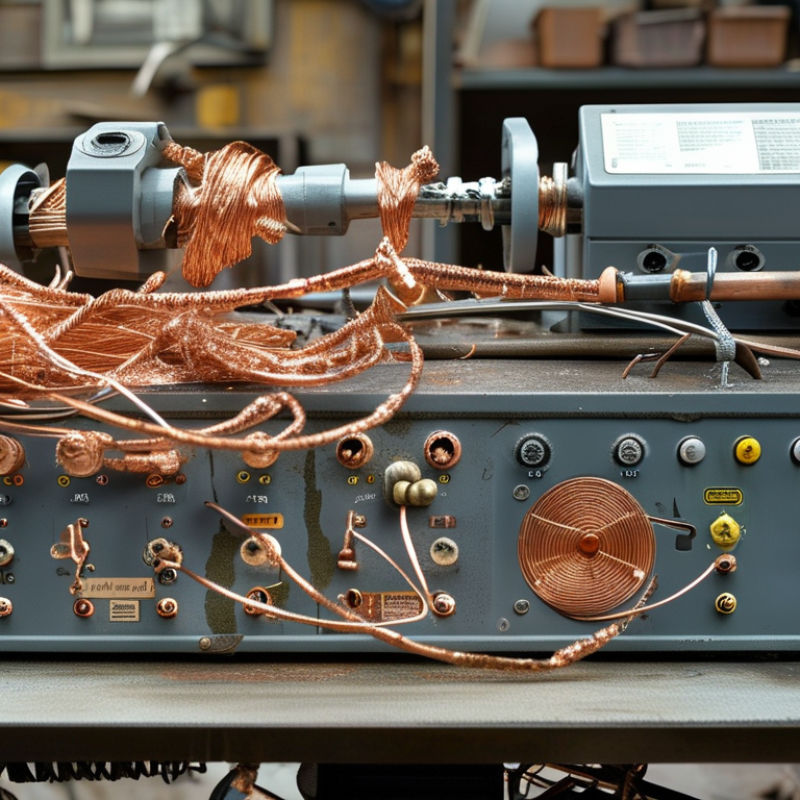
How to Choose the Best Copper Wire Recycling Machine

Define Your Copper Wire Recycling Needs and Material Types

Before choosing a copper wire recycling machine, define what enters your workshop each day. Record the wire source, volume, diameter, and insulation type. A small bucket of household cable behaves differently from thick industrial conductors. Some cables carry PVC insulation. Others contain rubber, fabric, or mixed layers. Do not rely on appearance alone. Cut a sample and inspect the conductor.

In practical trials, I weigh a one-hour batch before processing. Then I separate copper, insulation, plugs, and visible steel pieces. This simple check reveals whether a stripping machine or granulating system fits better. Thick, clean cable may strip efficiently. Thin, flexible cable often needs controlled granulation and air separation. Measure moisture and contamination too. Dust, oil, and loose terminals can reduce recovery quality. They may also increase cleaning and maintenance demands. Target output matters. Decide whether you need bare copper for resale or consistent granules for further processing.

Match the machine to realistic throughput, not an optimistic peak figure. Note motor power, feeding limits, screen size, and adjustment range. Request a sample test using your own material. Watch for copper loss in the waste stream. Inspect finished granules by hand and with a scale. My first estimates have sometimes been too generous. Material changes faster than expected. Leave room for seasonal cable differences, operator learning, and downtime. Clear records make later decisions more reliable.

Compare Machine Capacity, Processing Methods, and Recovery Rates

Choosing the best copper wire recycling machine starts with real operating data, not attractive brochures. The Global E-waste Monitor 2024 reported 62 billion kilograms of electronic waste generated worldwide in 2022. Only 22.3% was formally collected and recycled. This gap increases demand for reliable wire recovery equipment.

Capacity must match your daily feedstock. A small workshop may need 100–300 kilograms per hour, while larger facilities require higher throughput and continuous feeding. However, maximum capacity can be misleading. Thin household wires, thick industrial cables, and mixed insulation behave differently. A stripping machine suits clean, thick cable. A granulator handles mixed wire more flexibly. Dry air separation reduces water use, while wet separation can improve dust control and particle separation.

Recovery rate deserves closer attention. Many technical suppliers claim 95–99% copper recovery, but results depend on cable diameter, insulation type, moisture, and operator settings. Ask for test reports using your own material. The International Copper Study Group regularly identifies recycling as an important part of copper supply, reinforcing the value of recovering fine copper particles. Still, a high recovery rate may hide lower purity. Check both copper yield and final purity.

I would measure output after several hours, not one perfect demonstration. Electricity use matters too. A machine producing more kilograms per hour may create excessive noise, dust, or maintenance downtime. That trade-off is easy to overlook.

Evaluate Wire Size Range, Output Quality, and Separation Efficiency

How to Choose the Best Copper Wire Recycling Machine

A suitable copper wire recycling machine should match your actual wire size range, not an ideal sample. Measure the thinnest and thickest cables in your daily feed. Insulation thickness also matters, especially with flexible cables. A machine designed for narrow household wire may struggle with heavy industrial conductors. Ask for a trial using your own material. That test reveals more than a capacity chart. Keep notes on feeding speed, blockages, and motor load.

Output quality depends on how cleanly the machine separates copper from insulation. Inspect the recovered copper under bright light. Small plastic fragments may indicate poor cutting, screening, or air separation. Check the copper purity by weighing a sample before and after manual cleaning. Consistent granule size is useful for storage and downstream processing. A sharp separation line usually means less rework. It is not always perfect.

Separation efficiency should be measured across several batches, including dusty or mixed wires. Record copper recovery, residue weight, and rejected material. A machine may show excellent results with clean cable but weaker performance with tangled feedstock. That difference matters. Look for adjustable blades, accessible screens, and simple calibration controls. These features support reliable operation and easier maintenance. Operators should also receive clear instructions for safe feeding and routine inspection. In practice, the best choice is rarely the fastest machine. It is the one that maintains stable quality when conditions become ordinary, uneven, and slightly messy.

Check Safety Features, Energy Use, Maintenance, and Operating Costs

Choosing a copper wire recycling machine requires more than checking its daily output. Safety features should receive close attention during a real site inspection. Look for enclosed cutting areas, interlocked access doors, emergency stop buttons, and overload protection. Guards should remain secure during vibration. Dust extraction also matters, especially when insulation fragments collect around the motor. Ask whether the machine has clear operating instructions and accessible warning labels. A polished sales sheet is not enough.

Energy use directly affects operating costs. Check the motor rating, expected power consumption, and standby demand. A lower purchase price may hide expensive electricity use. Measure output per kilowatt when possible. This comparison is more useful than comparing motor size alone.

Maintenance access can save hours each week. Inspect whether blades, screens, belts, and bearings can be replaced without dismantling half the machine. Ask about lubrication points and recommended inspection intervals. Spare parts availability should be confirmed in writing.

Small delays become costly during busy production periods. I would also record noise, heat, and vibration during a trial run. These details often reveal problems that specifications miss. No machine is maintenance-free, despite what some brochures imply.

A realistic budget should include labor, cleaning, electricity, wear parts, and unplanned downtime. The best choice balances safe operation, stable energy use, simple maintenance, and predictable running costs.

Assess Supplier Support, Certifications, Warranty, and Long-Term Value

How to Choose the Best Copper Wire Recycling Machine

A reliable machine starts with reliable supplier support. Ask whether technicians provide installation, operator training, and troubleshooting within clear response times. In my experience, a quick video call can prevent hours of incorrect adjustments. Request wiring diagrams, maintenance schedules, and spare-part availability before signing anything. The Global E-waste Monitor 2024 reported 62 million tonnes of electronic waste in 2022, yet only 22.3% was formally collected and recycled. That gap increases the value of dependable equipment and practical supplier guidance.

Certifications deserve careful checking. Confirm that electrical, mechanical, and safety claims match recognized testing standards in your operating region. A certificate copied into a sales brochure proves little. Ask for the certificate number, issuing body, and applicable machine model. Warranty terms should cover motors, blades, bearings, and control systems separately. Also check labor costs, shipping responsibilities, and exclusions. The USGS Mineral Commodity Summaries 2024 estimated that recycled copper supplied about 30% of U.S. copper consumption in 2023. Efficient recovery matters, but long-term uptime matters too.

Tips: Compare total ownership cost, not only purchase price. Measure output using your actual cable mix. Keep sample results. A small trial can expose hidden limits. Review noise, dust control, power demand, and recovery rate. No checklist is perfect. Leave room for honest doubt. A supplier who admits limitations may be safer than one promising effortless performance.

How to Choose the Best Copper Wire Recycling Machine - Assess Supplier Support, Certifications, Warranty, and Long-Term Value

Suggested screening framework: assign each criterion a score from 1 to 5, multiply by the stated weight, and compare suppliers using verified documentation rather than promotional claims.
Evaluation Category Assessment Dimension Practical Benchmark or Requirement Evidence to Request Suggested Weight
Processing Performance Rated throughput The stated capacity should be expressed in kilograms per hour or tonnes per hour and linked to a defined input cable type, diameter range, and copper recovery target. Performance test report using a representative sample of the buyer's cable mix; operating conditions and material composition should be recorded. 12%
Processing Performance Copper recovery and purity The supplier should state how recovery and purity are measured. Results should be verified with a representative sample rather than only clean, uniform cable. Independent laboratory analysis, sample-test video, mass-balance calculation, and clearly defined acceptance criteria. 14%
Material Flexibility Acceptable cable range Confirm compatibility with insulated copper wire, mixed cable sizes, fine-stranded wire, and the actual insulation materials handled at the facility. Technical datasheet showing minimum and maximum cable diameters, permitted insulation types, moisture limits, and excluded materials. 8%
Supplier Support Installation and commissioning A complete installation plan should cover site requirements, electrical supply, ventilation, dust control, operator training, commissioning, and acceptance testing. Written scope of work, commissioning checklist, training agenda, utility requirements, and customer acceptance protocol. 10%
Supplier Support Technical response and spare parts The supplier should provide a documented service process, named technical contacts, spare-parts identification, and stated response targets. Service-level agreement, parts catalogue, troubleshooting guide, remote-support procedure, and recommended critical-spares list. 10%
Certifications Electrical and machinery safety compliance The machine should have certification or conformity documentation applicable to the installation country. Electrical components and protective systems must match local legal requirements. Declaration of conformity where applicable, risk assessment, electrical schematics, protective-device specifications, and third-party test reports when required. 10%
Certifications Quality-management controls An ISO 9001-certified quality-management system is a useful supplier-screening indicator, but it does not by itself prove machine performance or safety. Current certificate, certification scope, issuing body's details, certificate validity, and manufacturing quality-control records. 5%
Safety and Environment Guarding, emergency stops, and dust control The design should include accessible emergency stops, guarded moving parts, lockout provisions, warning labels, and controls for dust generated during cable processing. Risk assessment, safety-circuit description, guarding drawings, emergency-stop test procedure, dust-collection specifications, and maintenance instructions. 9%
Warranty Warranty scope and duration Use a written warranty that clearly states duration, covered components, exclusions, labor and freight responsibilities, and the conditions that could void coverage. Signed warranty document, list of wear parts, service obligations, response times, and warranty-claim process. A 12-month warranty is a common screening baseline, not a universal legal requirement. 8%
Long-Term Value Energy consumption Compare total installed power and measured energy use per tonne of processed cable, not motor power alone. Motor list, measured kWh-per-tonne data from a comparable test, operating-load assumptions, and electrical-efficiency information. 5%
Long-Term Value Maintenance and wear-part cost The design should provide routine-maintenance intervals, accessible service points, replaceable wear parts, and predictable annual maintenance costs. Maintenance schedule, parts-pricing sheet, expected service life of blades and screens, lubrication requirements, and annual maintenance estimate. 7%
Long-Term Value Total cost of ownership Evaluate purchase price plus installation, utilities, labor, consumables, spare parts, downtime, disposal costs, and expected resale or upgrade value over the planned service period. Five-year or ten-year cost model with documented assumptions, production capacity, staffing requirements, maintenance costs, and downtime allowance. 7%
Commercial Risk Delivery, documentation, and contract clarity The quotation should define machine configuration, delivery terms, payment milestones, factory acceptance testing, site acceptance testing, delivery date, and remedies for non-conformance. Detailed quotation, technical specification, project schedule, acceptance-test procedure, packing list, manuals, drawings, and contract terms. 5%
Top
error: Content is protected !!