How to Choose the Best Home Valves for Your Needs?
Choosing the right home valves is crucial for maintaining an efficient plumbing system. According to a recent industry report by the Plumbing Manufacturers International, nearly 35% of plumbing issues stem from inappropriate valve choices. Home valves control the flow of water and gas in our homes. Selecting the wrong one can lead to leaks, costly repairs, and safety hazards.
Homeowners often overlook the importance of valve quality and compatibility. Research indicates that over 60% of homeowners are unaware of their valve options. This lack of knowledge can result in higher energy bills and reduced system performance. Different types of valves, such as ball, gate, and check valves, each serve distinct purposes. It’s essential to match the valve type to the specific requirements of your home.
Understanding the specifications of home valves can be daunting. Decisions based on cost alone may compromise safety and efficiency. Investing in high-quality valves can prevent future complications, such as corrosion and malfunction. Take the time to research and consult with professionals. The right choice can enhance your home's plumbing reliability and safety.
Understanding Different Types of Home Valves and Their Functions
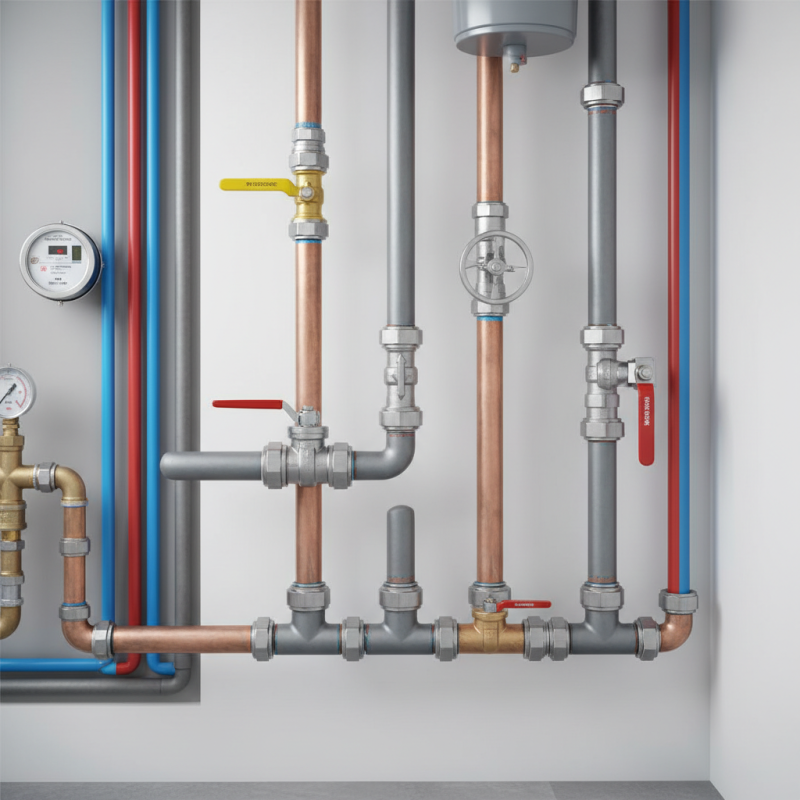
When selecting home valves, understanding their types and functions is crucial. Valves control the flow of water or gas throughout your home. Each type serves a specific purpose, impacting efficiency and safety.
Types of Valves:
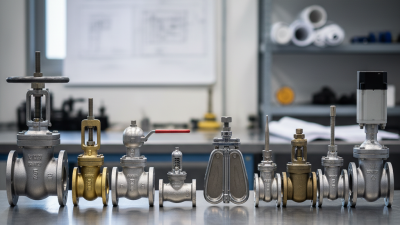
The most common types include ball valves, gate valves, and check valves. Ball valves are quick to operate, providing a reliable shut-off. They are great for frequently used appliances. Gate valves allow for full flow when open but can be less reliable for quick shut-offs. Their design may lead to internal corrosion over time. Check valves prevent backflow, protecting your plumbing system.
Consider your home’s needs. Do you require quick access to shut off water? A ball valve might suit best. If you have low flow situations, a gate valve could suffice. Reflect on the areas where these valves will be installed, such as kitchens or basements. Each location may demand different functionalities. The right valve can enhance both performance and safety in your home.
Factors to Consider When Selecting Home Valves for Specific Applications
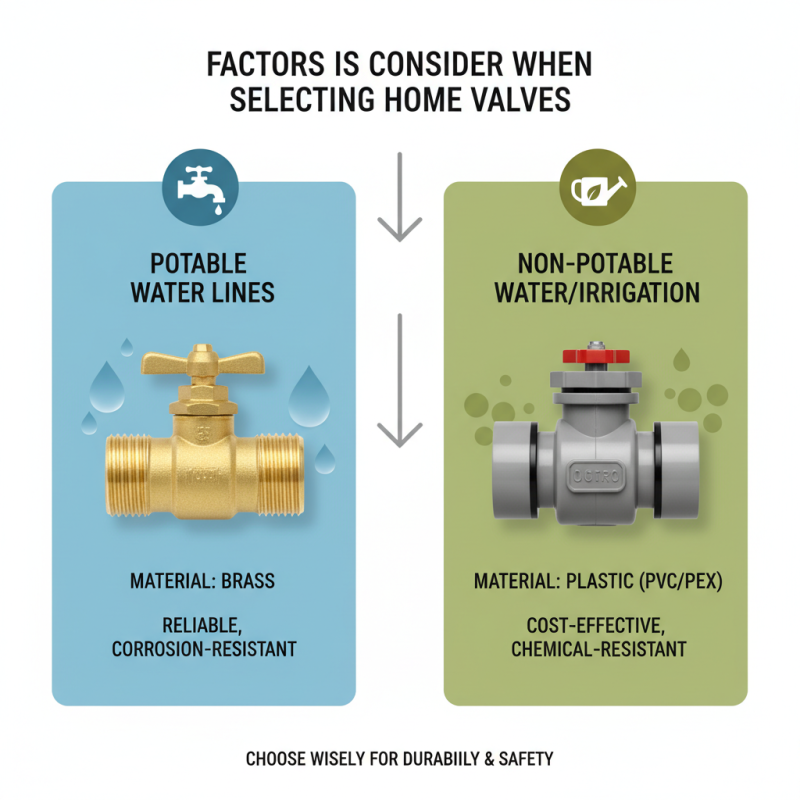
Choosing the right home valves involves understanding your specific needs. Different applications demand different types of valves. For instance, if you need valve control for water lines, ensure you opt for reliable materials. A brass valve might be suitable for potable water. Plastic valves are better for non-potable applications.
When selecting a valve, consider the pressure ratings. High-pressure situations require valves that can withstand significant force. Check the specifications to avoid leaks or failures. Also, think about the size. An ill-fitting valve can lead to inefficient performance.
Tips: Always assess the environment of usage. For outdoor applications, corrosion-resistant materials are key. Think about ease of maintenance. Valves with accessible features can save you time and effort later. Remember, investing in quality now reduces future headaches.
Evaluating Valve Materials and Durability for Home Use
Choosing the right valve for your home is crucial. Valve materials directly impact durability and performance. Common materials include brass, PVC, and stainless steel. Each material has unique properties suited for different applications. Brass is strong and resistant to corrosion. It works well in water and gas lines. PVC is lightweight and cost-effective, ideal for draining or irrigation.
Durability matters in home valves. Consider the environment and application. High-pressure systems need sturdy valves. Low-quality materials can fail over time. They may lead to leaks or malfunctions. Inspect the valve's specifications and warranties. This information often reflects the manufacturer’s confidence in their product.
Think about maintenance too. Some materials may require more upkeep. Stainless steel, while durable, can dent and scratch. Regular checks can prevent major issues. Your choice should balance quality with potential long-term costs. Reflect on your needs and the materials that best meet them.
How to Choose the Best Home Valves for Your Needs? - Evaluating Valve Materials and Durability for Home Use
| Valve Type |
Material |
Durability Rating |
Temperature Resistance (°F) |
Common Uses |
| Ball Valve |
Brass |
High |
-40 to 400 |
Water supply, gas line |
| Gate Valve |
Cast Iron |
Moderate |
-20 to 350 |
Sewer systems, main water lines |
| Check Valve |
Plastic |
Low |
-10 to 200 |
Pumps, drainage systems |
| Globe Valve |
Stainless Steel |
High |
-40 to 800 |
Flow regulation, HVAC |
Understanding Size and Compatibility Requirements for Home Valves
When selecting home valves, understanding size and compatibility is crucial. Valves come in various sizes, impacting their effectiveness. Using a valve that is too large or too small can lead to inefficiencies. Measure the existing pipes accurately before making a purchase. A mismatch can lead to leaks or pressure issues.
Compatibility also encompasses the materials used in the valve construction. Different materials suit specific applications. For instance, metal valves might be perfect for hot water systems, while plastic valves can serve well in cold water lines. Knowing your system’s requirements helps in making informed choices. However, many homeowners overlook this aspect. They often focus solely on price or appearance.
It can be tempting to choose a valve based on aesthetics. Yet, functionality should always take priority. Choose a valve that meets both your size requirements and material compatibility. This will not only ensure proper operation but also enhance the longevity of your plumbing system. Don't hesitate to seek professional advice if you're unsure.
Installation and Maintenance Tips for Optimal Valve Performance
When it comes to home valves, installation matters greatly. Proper setup ensures that your system operates efficiently. Ensure that the valves are oriented correctly. Misalignment can lead to leaks or malfunctions. Use the right tools and follow manufacturer guidelines. It’s crucial to handle each valve type differently, as they might have unique requirements.
Maintenance is equally important for optimal valve performance. Regular inspections can prevent issues before they escalate. Look for signs of wear or damage. Sometimes, a small leak can indicate a bigger problem. Lubricating moving parts helps extend the valve’s lifespan. Clean the valve surfaces to avoid buildup. Be aware that ignoring these tasks could lead to costly repairs.
Understanding your system’s needs can guide you in valve selection. Choosing the right valve is essential, but even the best valve needs care. Take time to learn about their operation. This knowledge helps in avoiding common pitfalls. Adapting your maintenance habits to fit your specific equipment will yield better results.