How to Choose the Best Precision Die Stamping Supplier?
Choosing the right Precision Die Stamping supplier can significantly influence your manufacturing process. Precision die stamping is a critical component in various industries. The quality and efficiency of the stamped parts affect overall production quality. A reliable supplier not only provides high precision but also ensures timely delivery and consistent results.
When evaluating potential suppliers, consider their experience in the industry. A supplier with a proven track record offers more confidence. Check their certifications and expertise in precision Die Stamping. This step builds trust and mitigates risk. Communication is also vital. A responsive supplier can adapt to changes and provide necessary insights.
However, not all suppliers may meet your expectations. You may encounter delays or inaccurate prototypes. Reflecting on past experiences can help identify the right partner. Engaging with multiple suppliers before making a choice is essential. By doing so, you gain a clearer understanding of their capabilities. Ultimately, the right precision die stamping supplier drives product quality and enhances your competitive edge.
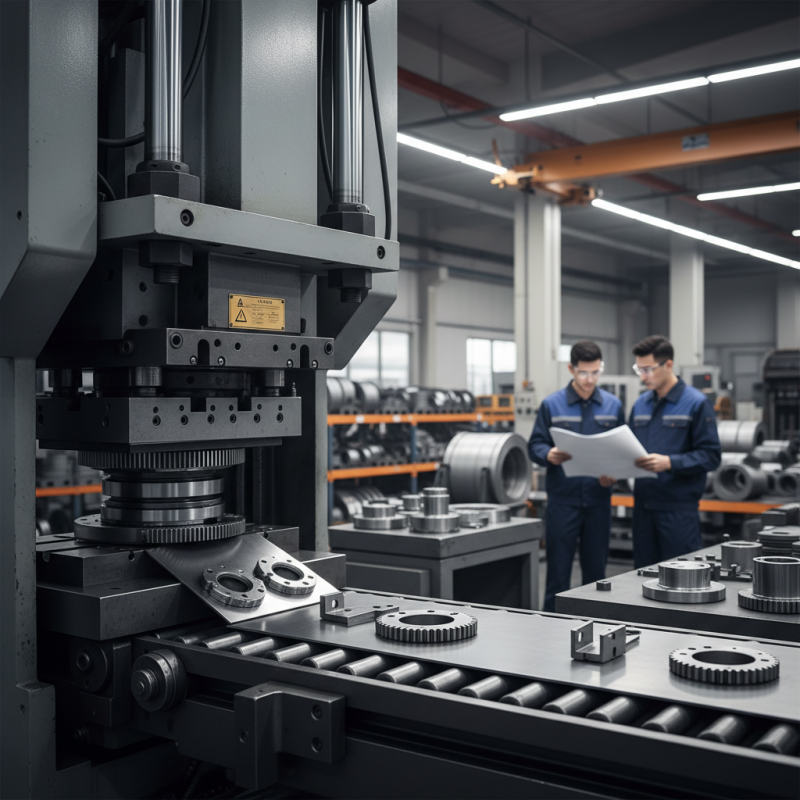
Understanding Precision Die Stamping: Key Concepts and Applications
Precision die stamping is a vital manufacturing technique. It is widely used in industries such as automotive, electronics, and aerospace. This process allows for the creation of complex parts with high accuracy. According to a report by MarketsandMarkets, the global precision die stamping market is projected to reach over $15 billion by 2025.
Understanding precision die stamping involves knowing key concepts. Factors like material choice, tooling, and design impact the final product quality. Engineers must carefully select materials that can withstand the demands of production. Common materials include steel, aluminum, and copper alloys. Each material has unique properties that affect durability and performance.
Applications of precision die stamping are diverse. This method produces components for various devices, from automotive panels to electronic connectors. A bad choice in supplier or tooling can lead to high wastage and rework. Recent studies show that up to 30% of manufacturing costs can arise from defects in die-stamped components. Hence, choosing the right supplier is crucial. It ensures both efficiency and cost savings in production processes.
Identifying Your Specific Precision Die Stamping Needs and Requirements
Identifying your specific precision die stamping needs and requirements is crucial for selecting the right supplier. Begin by assessing your project specifications. Consider factors like material type, thickness, and shapes needed. Are you looking for complex designs or simpler forms? Understanding these details will refine your search.
It’s also important to evaluate your production volume. Are you seeking low or high volume production? Different suppliers specialize in different scales. Understand your timeline and budget constraints. This information can affect lead times and costs.
Don't overlook quality control processes. What inspections do they perform during production? Do they have certifications? Researching these can ensure reliability in your chosen supplier. Reflecting on past experiences can also guide your decisions. This process may seem daunting, but identifying these specifics will lead to better outcomes.
How to Choose the Best Precision Die Stamping Supplier?
| Supplier Criteria | Importance Level (1-5) | Notes |
| Industry Experience | 5 | Long-term players have better knowledge of challenges. |
| Quality Control Standards | 5 | Look for ISO certifications. |
| Technology and Equipment | 4 | Up-to-date machines ensure precision. |
| Lead Time | 4 | Shorter lead times can reduce production delays. |
| Customer Support | 3 | Responsive support can enhance collaboration. |
| Pricing | 3 | Competitive pricing is important but not at the cost of quality. |
| Customization Capabilities | 5 | Ability to cater to specific project needs. |
| Reference Projects | 4 | Case studies can demonstrate reliability and expertise. |
Evaluating Supplier Credentials: Certifications and Experience in the Industry
When evaluating potential precision die stamping suppliers, their credentials play a vital role. Certifications like ISO 9001 indicate a commitment to quality management systems. Studies show that certified suppliers often show a 20% improvement in production efficiency. This efficiency can significantly impact your project timelines and overall costs. Experience in the industry also matters; suppliers with over a decade of experience typically have refined their processes. Data reveals that established firms can reduce error rates by almost 30% compared to newer companies.
However, determining experience isn’t just about years. Look for specific project types relevant to your needs. For instance, suppliers experienced in automotive parts might not be suitable for consumer electronics components. It's critical to assess if their expertise aligns with your project's unique requirements. While many suppliers boast solid credentials, it’s essential to inquire about actual case studies or client referrals. This adds an extra layer of assurance.
Despite these guidelines, some businesses still overlook evaluating supplier backgrounds thoroughly. Relying solely on certifications can be risky. A trusted supplier isn't only about paper credentials; it's also about their reputation for reliability and adaptability in the face of challenges. Understanding this can save time, resources, and frustration in the long run.
Assessing Supplier Capabilities: Technology, Equipment, and Capacity
When assessing potential precision die stamping suppliers, technology plays a crucial role. Advanced technology can streamline the manufacturing process. Look for suppliers that employ automated systems. These systems increase efficiency and reduce human error. You should observe how they integrate software for design and quality control. Outdated technology may hinder their capability to meet your requirements.
Equipment is another key factor. Suppliers should have a range of die stamping machines, from simple to complex. High-quality equipment often translates to better accuracy and consistency. Inspecting the maintenance practices of their machinery can reveal their commitment to quality. It’s not just about having the latest machines; how they care for their tools matters significantly.
Capacity determines whether a supplier can meet your production demands. Evaluate their current projects and timelines. A supplier that is overloaded may compromise quality for speed. Flexibility in capacity is essential. A good supplier should scale operations as needed without sacrificing standards. Discussing these factors openly can help ensure a reliable partnership moving forward.
Comparing Costs and Service: Making an Informed Supplier Decision
When selecting a precision die stamping supplier, cost and service are crucial factors. According to industry reports, about 70% of manufacturers prioritize total cost over price alone. This suggests that taking a holistic view of costs is essential. Service quality, including lead times and communication, can influence long-term partnerships.
Understanding the balance between costs and service is vital. Lower prices might seem attractive, but could compromise quality. Research shows that companies providing excellent service report a 25% higher customer retention rate. This relationship underscores the importance of assessing the supplier's ability to support your specific needs.
Tips: Always request references to gauge past performance. Consider the supplier’s capacity to scale with your demands. A detailed quotation can help identify hidden charges, prompting informed decisions. Re-evaluate your criteria regularly, ensuring they align with evolving business goals.