How to Choose the Best SPC Rigid Flooring for Your Needs?
Choosing the best SPC rigid flooring can be a daunting task. With an array of options available, navigating the choices requires expertise. According to flooring expert Jane Smith, “Selecting the right SPC rigid flooring is crucial for both aesthetics and durability.” Her insight emphasizes the importance of informed decision-making.
SPC rigid flooring offers a blend of strength and style. It’s waterproof, making it ideal for homes with pets or children. However, not all SPC products are created equal. Factors like thickness, wear layer, and embossing must be carefully considered. Each detail impacts both performance and appearance.
Many homeowners often overlook these aspects. This can lead to dissatisfaction or costly replacements down the line. Choosing the right SPC rigid flooring requires careful thought and awareness of individual needs. Reflecting on your lifestyle is essential in making the best choice. Think about what truly suits your living space.
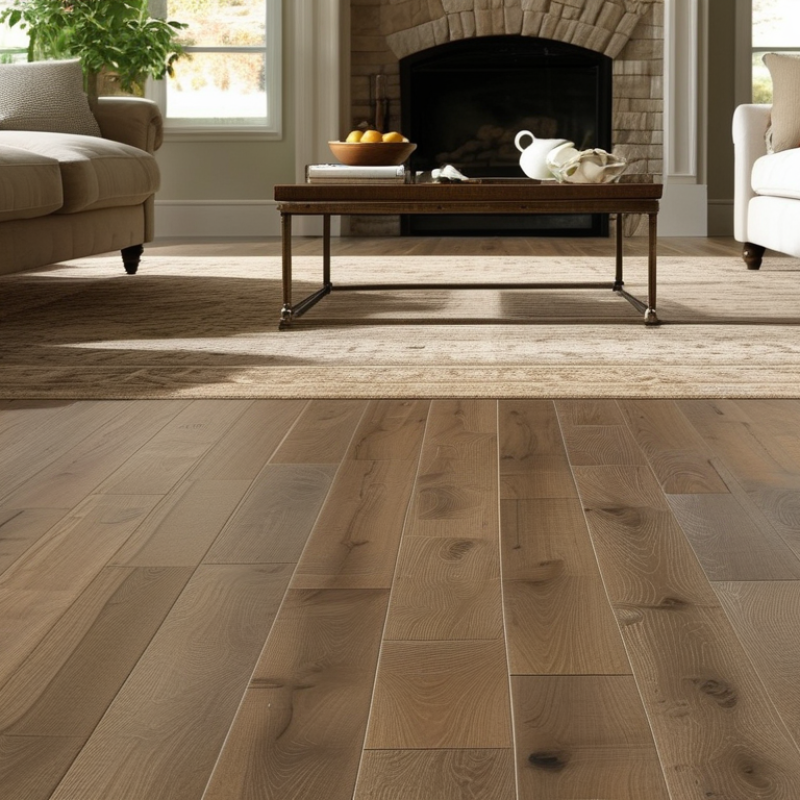
Understanding SPC Rigid Flooring and Its Benefits for Homeowners
SPC rigid flooring, or Stone Plastic Composite flooring, is gaining popularity among homeowners. It provides a seamless blend of durability and style. This flooring type is waterproof, making it suitable for areas prone to moisture. Many people appreciate its resilience against scratches and dents. It holds up well in high-traffic areas, making it ideal for busy households.
Homeowners often look for easy installation features. SPC flooring typically comes in planks or tiles that snap together. This user-friendly mechanism allows for quick and straightforward laying. Additionally, the variety of colors and textures available allows for personalized home aesthetics. It's common to feel overwhelmed by choices. Analyzing your space's lighting and existing decor can guide you.
While SPC flooring offers numerous benefits, it’s essential to consider potential drawbacks. Not all products deliver the same quality. Some may lack the necessary underlayment, leading to noise issues. It’s vital to conduct thorough research to avoid poor investments. Reading customer reviews can also provide insight into long-term satisfaction. Always weigh the benefits against possible compromises to make an informed choice.
Key Features to Consider When Selecting SPC Rigid Flooring
When choosing the best SPC rigid flooring, several key features deserve careful consideration. One of the most important factors is the thickness of the planks. Thicker options usually offer better durability and sound insulation. Typically, a thickness of 6-8mm balances comfort and performance well. However, thicker doesn't always mean better; ensuring a quality base is essential too.
Another critical aspect is the wear layer. A robust wear layer protects the flooring from scratches and stains. Look for options with a wear layer of at least 20 mil. This addition increases lifespan. Also, consider the slip resistance rating. Safety should not be compromised, especially in homes with children or elderly residents.
You should also reflect on the design and color options available. SPC flooring comes in a variety of wood and stone looks. Choose patterns that match your decor while keeping practicality in mind. Some colors may show dirt quicker than others. Lastly, consider ease of installation. Some products allow floating installation, which can be easier for DIY projects. Keep these features in mind as you navigate your options.
Comparing SPC Rigid Flooring Options: Thickness, Wear Layer, and Texture
When choosing SPC rigid flooring, focus on essential elements like thickness and wear layer. The thickness of the planks can affect both comfort and durability. Standard options range from 4mm to 8mm. Thicker planks may provide better sound insulation and feel more substantial underfoot. However, thicker does not always mean better. Consider the specific needs of your space.
The wear layer is another critical factor. This layer protects the flooring from scratches and stains. A wear layer of at least 20 mil is ideal for high-traffic areas. However, not every space requires a heavy-duty wear layer. Understanding your environment is key to making the right choice. It may save you money to opt for a lower wear layer in less-used areas.
Texture can enhance the overall look and feel of SPC flooring. Options range from smooth to hand-scraped finishes. A textured surface can add depth and reduce slipperiness. However, cleaning textured flooring can be more challenging. Think about maintenance needs before making a decision. Reflect on these factors to ensure you select the best SPC flooring for your home or business.
Analyzing Environmental Certifications and Durability Ratings in SPC Flooring
When selecting SPC rigid flooring, environmental certifications and durability ratings play crucial roles. Manufacturers often seek certification from organizations like FloorScore and GREENGUARD. These certifications ensure low emissions of volatile organic compounds (VOCs) and promote healthier indoor air quality. Reports indicate that flooring products with such certifications can reduce indoor air pollutants by up to 70%.
Durability ratings, typically provided by testing organizations, are equally essential. SPC flooring is often rated based on its wear resistance and impact resistance. A common method is the abrasion grading scale, where a rating of AC1 to AC5 is assigned. Durable SPC flooring can handle heavy foot traffic and resist scratches, making it ideal for both residential and commercial applications. Research shows that SPC flooring with an AC4 rating is suitable for areas like shopping malls and offices, confirming its robustness.
While these factors are critical, it’s also vital to reflect on the specific environment of installation. Not all flooring is ideal for every condition, and sometimes trade-offs occur. For instance, high durability might come at a higher cost, and balancing budget and sustainability can be challenging. Evaluating your unique needs against these standards will lead to the best decision, ensuring that your SPC flooring performs well over time.
Cost-Benefit Analysis: Investing in Quality SPC Rigid Flooring Solutions
When evaluating SPC rigid flooring options, consider the cost-benefit ratio. High-quality SPC floors offer not only aesthetic appeal but also durability. According to industry reports, the average lifespan of SPC flooring can reach 20 years or more with proper maintenance. This longevity often outweighs the initial investment.
Consider the installation costs as well. Professional installation may add to the upfront expense. However, a well-installed floor can prevent future repair costs. A survey indicated that about 30% of homeowners regret opting for cheaper installation services, leading to higher long-term costs.
Moreover, think about resilience. SPC flooring is water-resistant and can handle high foot traffic. A report from flooring experts shows that areas with high moisture, like kitchens and bathrooms, benefit greatly from SPC’s features. Investing in quality can prevent significant damage and replacements later on. The decision is clear: your choice impacts not only your budget but also your living space's functionality.