Quality Products

At a Fair Price

Wholesale Provider

Of Valves & Fittings

  • Corporate Office: 1301 Greengrass Drive Houston, TX 77008
  • 1-800-237-2512

Quality Products

At a Fair Price

Wholesale Provider

Of Valves & Fittings

2026 How to Choose the Best Valves Fittings for Your Project?

Choosing the right valves fittings for your project can seem daunting. According to industry expert John Smith, “The right fittings can make or break a system.” His insight highlights the importance of careful selection.

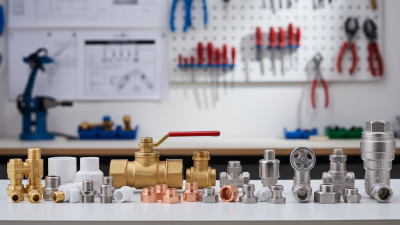
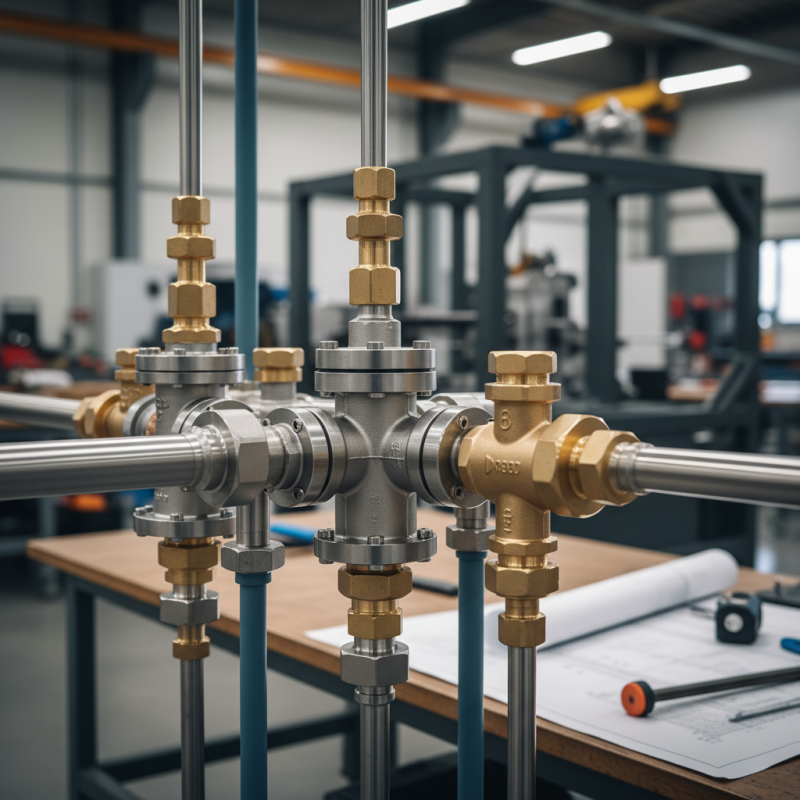
Valves fittings come in various types and materials, each suited for different applications. For example, brass fittings are excellent for water systems. Stainless steel is great for corrosive environments. Knowing your project’s requirements is vital.

Every choice has consequences. An improper fitting can lead to leaks or system failures. Sometimes, professionals overlook specific details. Misjudgments can be costly. Reflection on past projects can guide future decisions. Always evaluate the options thoroughly. It’s not just about price; it’s about reliability and performance.
2026 How to Choose the Best Valves Fittings for Your Project?

Understanding Different Types of Valves and Fittings Available
2026 How to Choose the Best Valves Fittings for Your Project?

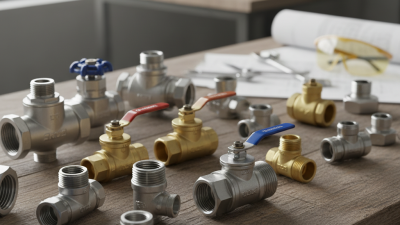
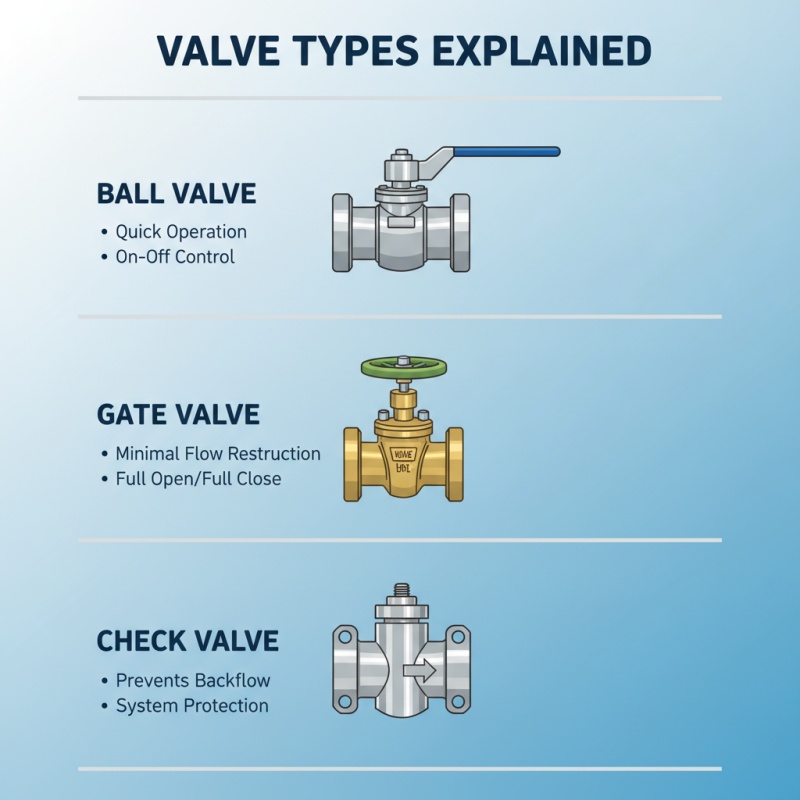
When embarking on a project that requires valves and fittings, understanding the different types available is essential. There are various options, such as ball valves, gate valves, and check valves. Ball valves are popular for their quick operation. Gate valves excel in applications needing minimal flow restriction. Check valves prevent backflow, which can safeguard your system.

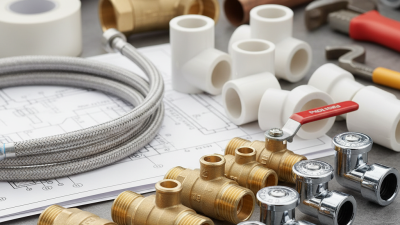
Selecting the right fitting is just as crucial. Copper, PVC, and stainless steel are common materials. Copper fittings offer excellent durability, while PVC is lightweight and cost-effective. Stainless steel suits high-pressure applications but can be more expensive. Each material has its pros and cons, and this can lead to indecision.

It's important to consider the specific needs of your project. Will high-temperature performance be necessary? Are there pressure limitations? Sometimes, it’s easy to overlook small details. These details are pivotal in ensuring your system operates efficiently and safely. Addressing these considerations will lead to better outcomes in the long run.
Assessing Project Requirements and Specifications for Valve Selection

2026 How to Choose the Best Valves Fittings for Your Project?

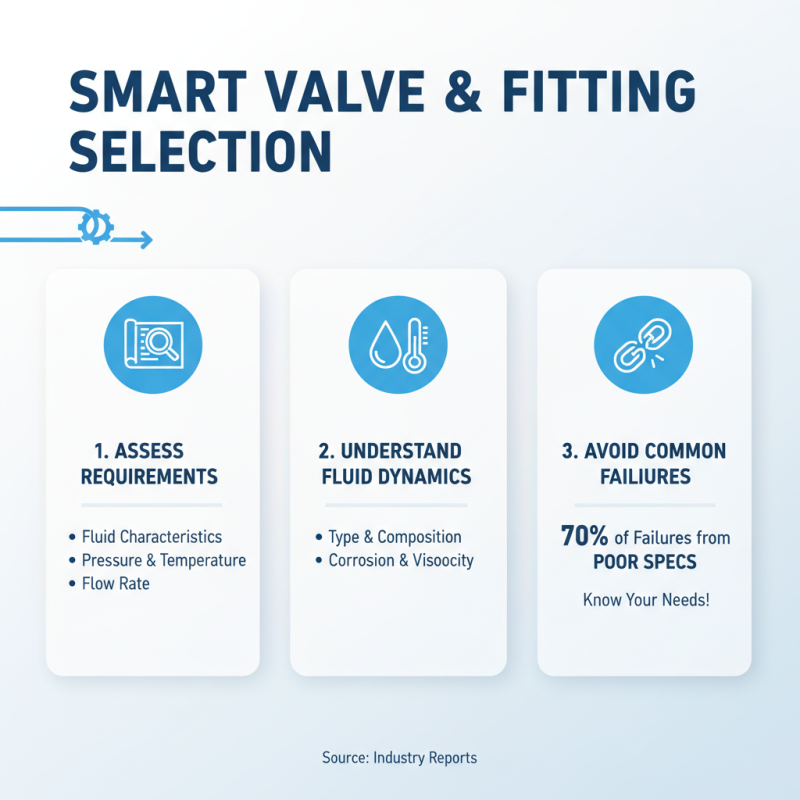
When selecting valves and fittings, assessing project requirements is key. Understanding fluid characteristics is essential. Parameters like pressure, temperature, and flow rate influence valve performance. Industry reports suggest that nearly 70% of valve failures stem from poor specifications. This highlights the importance of knowing your project’s unique needs.

Consider the material of your fittings. Corrosion-resistant alloys may be necessary for harsh environments. A study revealed that using inappropriate materials can lead to a 30% increase in maintenance costs over time. This insight emphasizes the critical nature of proper material selection.

Don't overlook installation and maintenance. A complicated fit can lead to installation errors. Many projects face delays due to unforeseen complications in valve integration. Seeking expert advice can be beneficial. However, sometimes the simplest solution is overlooked. A straightforward valve might be the most effective choice for certain applications. Reflect on your choices and trust your project’s requirements.

Key Factors to Consider When Choosing Valves and Fittings

Choosing the right valves and fittings is crucial for any project. Consider the application first. Will it handle high pressure or temperature? For instance, a study by the American Society of Mechanical Engineers shows that misuse of fittings can lead to 30% of pipeline failures. This highlights the need for careful selection.

Material compatibility is another key factor. Different environments require specific materials. Corrosion resistance may be more critical in chemical applications. A report from the ASTM shows up to 40% of failures in industrial systems result from material degradation. Pay attention to these details to ensure longevity.

Sizing and pressure ratings are often overlooked. Correct sizing guarantees optimal flow. Failure to match pressure ratings can cause leaks or bursts. Surprisingly, around 25% of projects experience delays due to improper fittings. Taking time in this phase can save future hassle and costs. Choosing wisely can lead to a successful, durable system.

Evaluating Quality and Reliability of Valve Manufacturers

When selecting valves and fittings for your project, the quality and reliability of manufacturers play a crucial role. A trustworthy manufacturer provides products that meet industry standards. Their reputation often reflects their commitment to producing durable and safe components. Researching manufacturers should include reviews and testimonials. These insights can reveal the performance of their products over time.

Tips: Check for certifications. These documents ensure that the products are tested and meet necessary regulations. A certified manufacturer tends to adhere to quality assurance practices. Also, consider warranty options. A solid warranty often indicates the manufacturer's confidence in their products.

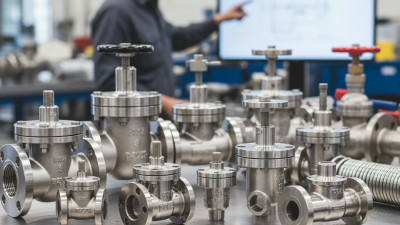
Examine the materials used in the valves and fittings. Some manufacturers cut corners. This can lead to weak components that fail prematurely. In industries such as oil and gas, this risk is amplified. Look for manufacturers that disclose material specifications and sourcing practices. This transparency can guide you to more reliable choices for your project.

2026 Valve Fittings Quality and Reliability Analysis

Cost-Benefit Analysis: Balancing Budget with Performance Needs

When selecting valves and fittings for your project, cost-effectiveness is crucial. Balancing your budget while meeting performance needs requires careful consideration. High-quality materials often come with a higher price tag. Yet, cheaper options can lead to failures, which increase long-term costs. The initial saving may turn into unnecessary expenses.

Think about the specific requirements of your project. Are you working with high pressure or corrosive fluids? These factors will influence your choices. Selecting the right materials can prevent costly replacements and downtime. Pay attention to the specifications. Sometimes, following industry standards can seem adequate. However, real-world performance can paint a different picture.

Reflection is necessary after decisions are made. Did you choose based on hype or detailed analysis? Take time to evaluate your choices and their long-term impacts. A valve that fits perfectly in theory might underperform in practice. This balance of budget and needs forces thoughtful decision-making, leading to better outcomes.

2026 How to Choose the Best Valves Fittings for Your Project? - Cost-Benefit Analysis: Balancing Budget with Performance Needs

Type Material Pressure Rating (psi) Temperature Range (°F) Cost ($) Durability (Years) Application
Ball Valve Brass 150 -20 to 200 25 15 Water Supply
Gate Valve Stainless Steel 300 -50 to 500 40 20 Industrial Piping
Check Valve PVC 150 32 to 140 10 10 Drainage
Butterfly Valve Cast Iron 200 -40 to 200 30 25 HVAC Systems
Top
error: Content is protected !!