How to Choose a CNC Centre Lathe for Global Buying?
Choosing a Cnc Centre Lathe for global purchasing requires more than comparing prices and spindle speeds. The right machine must match your materials, production volume, tolerances, workforce, and target market. A compact lathe may suit small precision parts, while a heavier model handles steel shafts, larger chucks, and continuous production more reliably. Practical details matter. Check the maximum swing, turning diameter, spindle bore, motor power, turret stations, and tailstock travel. Ask how these figures perform during real cutting, not only in promotional images.
A reliable buying decision also depends on supplier evidence. Request inspection records, sample components, machine accuracy reports, and references from comparable factories. Standards such as ISO 23125 can support safety evaluation, while electrical and certification requirements may differ between the European Union, North America, and other regions. Confirm control-system compatibility, software support, spare-part availability, installation guidance, and response times after delivery. A low quotation can become expensive when one encoder or drive board requires weeks to replace.
Brochures are not proof.
During supplier discussions, describe your actual workpiece, material grade, tolerance, batch size, and expected cycle time. Then request a cutting test using similar conditions. This exposes weak rigidity, unstable chip control, or unrealistic cycle claims. Buyers sometimes focus too heavily on initial cost. That is understandable, but incomplete. Energy use, tooling, training, maintenance, shipping, and downtime can shape the machine’s true ownership cost. Careful comparison may reveal that the cheapest CNC Centre Lathe is not the most economical choice. Even experienced buyers should leave room for doubt and verify every important specification before signing.
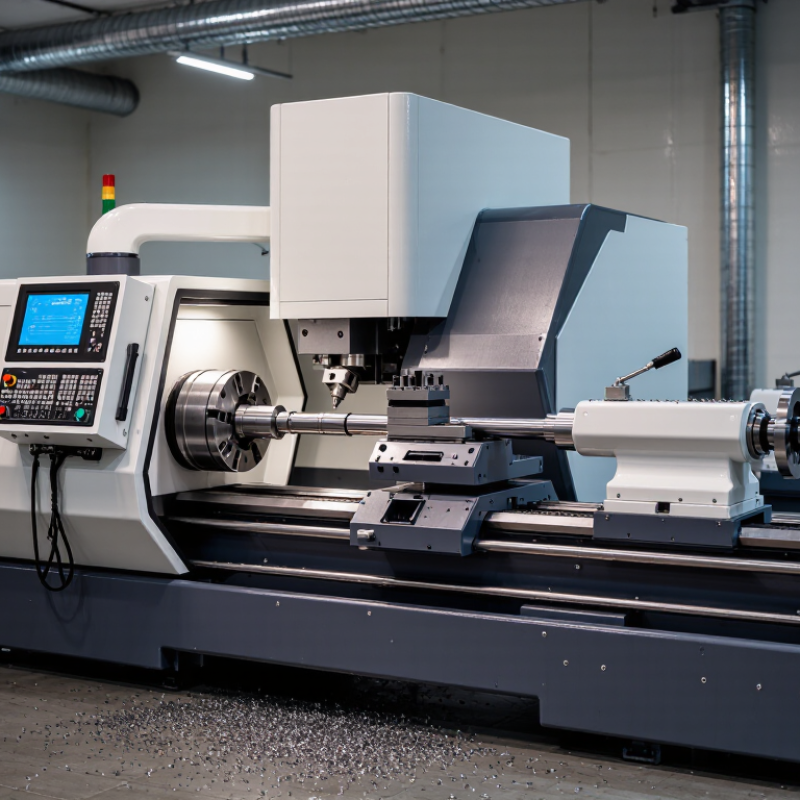
Define Production Needs and Machining Requirements
How to Choose a CNC Centre Lathe for Global Buying?
Define Production Needs and Machining Requirements
Choosing a CNC centre lathe should begin with the parts you actually produce. List the materials, diameters, lengths, tolerances, and monthly quantities. A small shaft needs different capacity from a heavy steel flange. This sounds obvious, yet many purchasing teams compare machines before reviewing drawings.
Check the spindle bore, swing diameter, bed length, and maximum turning diameter. Match these figures to your largest regular workpiece, not an occasional oversized job. Consider spindle speed and motor torque together. High speed supports aluminum and finishing work, while steady torque matters during deep cuts in steel. Confirm whether the chuck, tooling, coolant system, and chip removal design suit your process. These details affect daily output more than impressive brochure features.
Your production pattern also guides automation decisions. Frequent repeat batches may justify a bar feeder or programmable tailstock. Short runs may benefit from flexible tooling instead. Review the control system, operator training, maintenance access, and electrical requirements for your destination. A machine can meet every technical specification and still create delays after installation. I have seen buyers underestimate foundation needs and local service response. That mistake is expensive.
Leave room for change.
Request sample machining data, inspection records, and realistic cycle times. Ask how accuracy is verified after shipping and setup. Tolerances should be discussed with actual materials and cutting tools, not empty promises. Reconsider the purchase if the supplier avoids clear answers.
Compare CNC Centre Lathe Types and Key Specifications
How to Choose a CNC Centre Lathe for Global Buying?
Compare CNC Centre Lathe Types and Key Specifications
A two-axis CNC centre lathe suits shafts, bushings, and repeat turning. Its fixed tooling keeps operation simple and maintenance costs manageable. A slant-bed design improves chip flow and supports faster production. Choose a turning centre with live tooling when drilling, milling, and tapping must occur in one setup. Twin-spindle models reduce handling for high-volume parts, but their synchronization requires stronger process control. Less is sometimes better.
Compare swing over bed, maximum turning diameter, turning length, and spindle bore first. A 52 mm bar capacity is useful for common hydraulic components, while larger work may need 80 mm or more. Check spindle speed and torque together; high rpm cannot replace low-speed cutting power. Also review chuck size, motor rating, turret stations, rapid traverse, coolant pressure, and automatic bar-feeder compatibility. ISO 230-2 testing helps verify positioning accuracy and repeatability, rather than relying only on catalog claims.
Global production data adds useful context. The International Federation of Robotics reported 541,302 industrial robot installations worldwide in 2023, showing continued automation demand. Industry reports from Grand View Research also project strong growth in computer numerical control equipment through the decade. However, these figures do not guarantee a suitable lathe. Test the machine with your material, tooling, and longest workpiece. I would also check voltage, guarding standards, documentation language, service response, and spare-part access. Buyers often overlook factory-floor space. That mistake becomes expensive.
Assess Accuracy, Capacity, Materials, and Automation Features
How to Choose a CNC Centre Lathe for Global Buying?
Accuracy should be judged through evidence, not impressive specifications. Ask for positioning and repeatability data under realistic cutting conditions. A test component can reveal taper, chatter, poor surface finish, or thermal drift. Check measurement methods, calibration dates, and inspection reports. Small errors become expensive during long production runs.
Capacity must match both current and planned work. Compare maximum turning diameter, distance between centres, spindle bore, and chuck size. Leave room for tool clearance and safe chip removal. A machine designed for small shafts may struggle with heavy forgings. Conversely, excessive capacity can increase energy use and idle costs. This is where many buyers miscalculate.
Material selection affects rigidity, tooling, and spindle power. Cast structures may reduce vibration, while hardened guides can support repeated production. Ask whether the machine handles stainless steel, aluminium, alloy steel, or heat-resistant materials. Automation deserves equal attention. Consider bar feeders, automatic tool changers, probing, chip conveyors, and remote diagnostics. Confirm software compatibility, operator training, electrical standards, and service response in the destination country. Useful data includes cycle-time trials and maintenance records. Not promises.
A practical weakness remains. Buyers sometimes compare machines only by purchase price. That approach ignores setup time, rejected parts, and unavailable technicians. A slower machine with dependable support may produce more usable parts. It is worth challenging the first specification sheet.
Verify Supplier Quality, Compliance, Service, and Global Support
How to Choose a CNC Centre Lathe for Global Buying?
When sourcing a CNC centre lathe, inspect the supplier’s evidence, not only its catalogue. A reliable supplier should provide factory inspection records, material certificates, and documented accuracy tests. Ask for a trial machining video using steel similar to your production material. Measure spindle runout, repeatability, surface finish, and tool-change performance. Request actual readings with dates and instrument details. Do not guess.
Compliance must match the destination market and machine configuration. Request electrical diagrams, safety manuals, risk assessments, and declarations for applicable standards. Check guarding, emergency stops, grounding, noise control, and software documentation. Confirm the correct voltage before shipment. A machine prepared for one country may need changes elsewhere. Some documents look complete but lack traceable test evidence. That matters.
Service often decides whether a good machine becomes a costly delay. Confirm response times, remote diagnostic methods, training hours, and spare-part availability. Ask whether technicians can support your time zone and language. Check the supplier’s export packing method, especially moisture protection inside the wooden crate. Clarify installation duties, warranty limits, and travel charges before signing. Global buying also requires clear communication about customs documents and replacement components. I once underestimated training needs; operators later used poor cutting parameters and blamed the machine. The cheaper offer became expensive. Leave room for doubt.