How to Choose the Right Industrial Computer for Your Business?
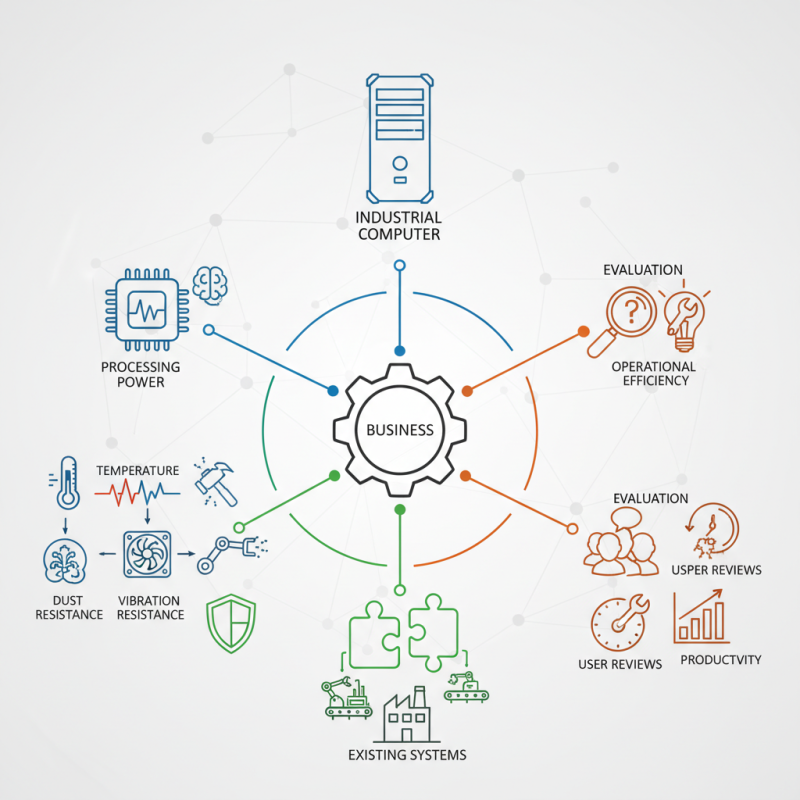
Choosing the right industrial computer for your business can be challenging. A промышленный компьютер must meet your specific needs and requirements. It is crucial to consider factors like processing power, durability, and compatibility with existing systems.
Industrial computers are designed for harsh environments. They often need to withstand dust, temperature fluctuations, and vibrations. Understanding these factors can impact your decision significantly. It's not just about specs; it's about reliability in real-world conditions.
Investing in the right промышленный компьютер requires careful thought. Many options may seem attractive on paper, but that doesn’t guarantee performance. Evaluate user reviews and seek expert advice if needed. This can help you avoid costly mistakes. Each choice reflects on your operational efficiency and overall productivity. So, take your time to analyze what truly fits your business.
Understanding the Different Types of Industrial Computers Available
When selecting the right industrial computer, it’s crucial to understand the various types available. Industrial computers come in different forms, such as panel PCs, rack-mounted systems, and embedded solutions. Each type is tailored to unique applications and environments, making them suited for diverse industries.
Panel PCs are great for direct interaction. They feature touch screens, which can enhance user experience in manufacturing settings. In contrast, rack-mounted systems offer powerful performance, making them ideal for data centers. According to a report from MarketsandMarkets, the industrial PC market is projected to reach $5.37 billion by 2025, highlighting the growing need for these devices.
Embedded systems give businesses flexibility. They integrate seamlessly into machinery or equipment, streamlining operations. However, some may find it challenging to upgrade these units. Balancing performance with upgradeability should be a priority. Many businesses overlook this when making their choice, leading to costly adjustments later. Understanding these nuances will empower decision-makers to select the best fit for their operational needs.
Comparison of Different Types of Industrial Computers
Key Considerations for Determining Performance Requirements
When determining the performance requirements for an industrial computer, start by assessing the specific tasks it will perform. Industrial computers often handle data-heavy applications or control systems. Analysing these demands will help clarify the processing power needed. Look at the software requirements; some applications require high-speed processing and ample storage. Understand how much data will be processed simultaneously.
Another key consideration is environmental factors. Will the computer operate in extreme temperatures or hazardous conditions? These factors greatly influence the durability needed. Selecting a system not only for its speed but also for its robustness is crucial. Reliability under stress can make or break operational efficiency.
Lastly, don't overlook future needs. Technology evolves rapidly. Your current requirements may expand. Consider choosing a flexible system that allows upgrades. Planning for scalability can save costs down the line. While focusing on immediate needs is critical, ensure a balance between today’s demands and tomorrow’s possibilities.
Evaluating Environmental Factors and Durability Needs
When selecting an industrial computer, environmental factors play a crucial role. This includes temperature, humidity, and exposure to dust or chemicals. A computer used in a factory may face harsher conditions than one in a climate-controlled office. Understanding these scenarios helps you choose the right equipment. For instance, if your workspace is dusty, you might need a unit with a sealed enclosure.
Durability is equally important. Look for materials that can withstand shocks and vibrations. A rugged design is essential for heavy-duty operations. It’s worth considering the IP rating, which indicates protection against dust and moisture. If a computer fails due to environmental stress, it can lead to costly downtime. Reflect on your specific needs. Are you prepared for potential failures, or have you built in redundancies? Each factor matters as you make your choice.
Assessing Compatibility with Existing Systems and Software
When choosing an industrial computer, compatibility with your existing systems is crucial. Start by evaluating your current hardware and software. Understand the technical specifications. This includes processing power, memory, and input/output interfaces. If these do not match, the computer might not function as intended.
Next, examine the software already in use. Industrial computers often run specific applications. Determine if the new system supports these applications. Consider potential conflicts or performance issues. Testing with a demo version can provide insight into such compatibility. Sometimes, older software may not work without updates. This may pose additional costs.
Lastly, assess integration with other systems. Your industrial computer should fit seamlessly into your current network. Look for connectivity options like Ethernet, USB, and wireless capabilities. Not all computers offer the same ports or interfaces. Identifying these needs early can prevent hiccups later on. Keep in mind that even minor details can impact overall performance. Sometimes, one overlooked requirement can lead to frustrations down the line.
How to Choose the Right Industrial Computer for Your Business? - Assessing Compatibility with Existing Systems and Software
| Dimension | Detail | Importance Level |
| Processing Power | Choose a CPU that can handle your applications efficiently. | High |
| Memory | Select sufficient RAM to prevent bottlenecks. | Medium |
| Storage Type | Evaluate SSD vs HDD based on speed and capacity needs. | High |
| Operating System Compatibility | Ensure the OS is compatible with existing software. | High |
| Input/Output Options | Consider required ports and interfaces for peripherals. | Medium |
| Environmental Tolerance | Select a unit that can withstand your operating environment. | High |
| Budget | Determine the budget while balancing features and performance. | Medium |
Budgeting for Initial Purchase and Long-Term Maintenance Costs
When budgeting for an industrial computer, initial purchase costs are just the beginning. Industry reports suggest that hardware expenses can vary widely. A basic system may cost around $1,000, while advanced systems can soar to $5,000 or more. This price range can significantly impact your overall budget. Consider the specific requirements of your business and select a system that meets your needs without overspending.
Long-term maintenance costs are another crucial factor. Regular updates, repair, and replacement parts can add to your expenses. Approximately 30% of companies spend over $350 annually for maintenance per computer. Moreover, downtime due to hardware failures can result in lost revenue. Balancing upfront costs with ongoing maintenance is essential. It's vital to plan for these long-term expenses, as neglecting them can lead to budget overruns.
In the evolving tech landscape, additional software needs and cybersecurity measures must be considered. Companies estimate that software and security could add an extra 20% to 30% of the total costs over time. Reflecting on these elements equips you to make informed decisions when investing in industrial computers. Prioritize reliability and support when analyzing your options.