
Quality Products

At a Fair Price

Wholesale Provider

Of Valves & Fittings

  • Corporate Office: 1301 Greengrass Drive Houston, TX 77008
  • 1-800-237-2512

Quality Products

At a Fair Price

Wholesale Provider

Of Valves & Fittings

What Is an ELCB Circuit Breaker and How Does It Work?

What Is an Elcb Circuit Breaker and How Does It Work?

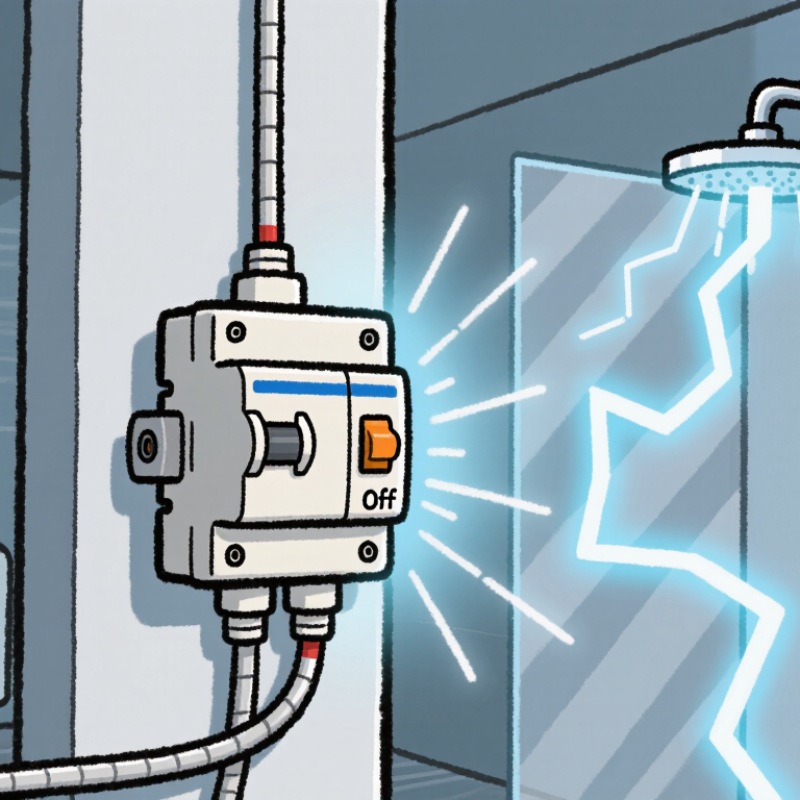
An Elcb Circuit Breaker protects people and equipment when electricity escapes its intended path. In a damp bathroom, a damaged cable can energize a metal casing within seconds. The device detects this abnormal condition and disconnects the supply before shock or fire becomes more severe. Yet, the term “ELCB” is used loosely today. Many modern installations use residual-current devices, or RCDs, which sense current imbalance rather than voltage on the equipment frame.

The International Electrotechnical Commission’s IEC 60364 series places strong emphasis on automatic disconnection and protection against electric shock. The NFPA Electrical Safety Research report also highlights electrical distribution equipment as an important fire-safety concern. These sources support a practical point: correct protection depends on system design, testing, and maintenance, not merely on installing a breaker. Market research reports, including MarketsandMarkets’ Residual Current Circuit Breaker study, describe continuing demand for residual-current protection across residential, commercial, and industrial applications.

John Cadick, an electrical safety engineer and author of Electrical Safety Handbook, explains, “Grounding is intended to provide a low-impedance path for fault current.” That principle remains central. However, an Elcb Circuit Breaker is not a substitute for professional inspection. Its trip rating, operating time, earthing arrangement, and compatibility must match the installation. A test button is useful, but it cannot reveal every wiring defect. Small details matter. One overlooked connection can undermine the entire protective system.
What Is an ELCB Circuit Breaker and How Does It Work?

ELCB Circuit Breaker: Definition and Main Purpose

ELCB Circuit Breaker: Definition and Main Purpose

An ELCB, or earth leakage circuit breaker, is a protective device designed to disconnect a circuit when it detects current leaking from its intended path. In a typical installation, current should flow through the live and neutral conductors. If some escapes through damaged insulation, a damp appliance casing, or a person touching an energized surface, the breaker may trip and cut power. That interruption can reduce the risk of electric shock and help limit damage from electrical faults.

The main purpose of an ELCB is to detect earth leakage, not to protect against every electrical hazard. A standard ELCB may not respond to overloads or short circuits unless those functions are built into the device or provided by separate protection. Older voltage-operated designs also work differently from modern current-sensing residual-current devices, so the name alone does not confirm how a breaker operates. Details matter.

For example, a trip may occur when a damaged cable lies against a metal enclosure. Yet a breaker can only respond within its design limits, and a missed trip should never be treated as proof that equipment is safe. Regular testing, correct installation, and inspection by a qualified electrician are important. Even then, protection is not a substitute for sound wiring or careful maintenance.

Key Components Inside an ELCB

What Is an ELCB Circuit Breaker and How Does It Work?

An Earth Leakage Circuit Breaker (ELCB) disconnects power when leakage reaches an unsafe path. Traditional voltage-operated ELCBs monitor voltage between the equipment frame and earth. Modern devices often detect current imbalance instead, although people still commonly call them ELCBs. Understanding the internal parts helps explain their response.

Key Components Inside an ELCB

The earth terminal connects the protected circuit to a grounding system. A sensing coil or residual-current transformer detects leakage around the conductors. When the measured difference exceeds the trip setting, a trip relay releases the mechanism. Spring-loaded contacts then open the circuit. An arc chamber controls the electrical arc created during separation. The enclosure provides insulation and protects these parts from dust and accidental contact. A test button creates a small simulated leakage current. It should trigger the mechanism immediately. Small parts matter. Some devices also include a reset handle and visual position indicator. Their condition can reveal whether the breaker has tripped or simply lost supply power.

Tips: Press the test button at the interval stated in the equipment instructions, and record the result. Keep the enclosure dry and unobstructed. Never treat a successful test as proof that every earth connection is sound. Testing can expose a weak mechanism, but it cannot replace professional inspection. In practice, no inspection method is perfect. A qualified electrician should investigate repeated trips, warm terminals, unusual smells, or a handle that will not reset.

How an ELCB Detects Electrical Leakage

What Is an ELCB Circuit Breaker and How Does It Work?

An ELCB, commonly referring to a residual-current circuit breaker, detects electricity escaping from its intended path. Inside the device, live and neutral conductors pass through a sensing core. Under normal conditions, their magnetic effects cancel each other. If current flows through damaged insulation, a wet surface, or a person, the currents become unequal. That imbalance creates a residual signal.

The sensing mechanism reacts within milliseconds when leakage exceeds its rated threshold. A release mechanism then opens the contacts and disconnects the circuit. Many household units use a 30 mA sensitivity for additional shock protection, although installation rules vary by country and application. The test button creates a controlled imbalance. It should operate the trip mechanism. No trip is a warning, not a minor inconvenience.

The International Electrotechnical Commission’s IEC 61008-1 standard defines requirements for residual-current circuit breakers without overcurrent protection. This distinction matters: an ELCB may not replace a fuse or miniature circuit breaker. NFPA’s Home Fires Involving Electrical Distribution and Lighting Equipment report estimated about 35,150 U.S. home fires annually from 2015 to 2019. Those fires caused roughly 470 civilian deaths and 1,100 injuries. Leakage protection cannot prevent every electrical fault.

Real installations are less tidy. Cable damage, moisture, shared neutrals, or poor earthing can cause nuisance trips. A recurring trip deserves investigation by a qualified electrician. Resetting it repeatedly may hide a developing fault. Older voltage-operated ELCBs also work differently, so the label alone can mislead.

How the ELCB Disconnects a Faulty Circuit

What Is an ELCB Circuit Breaker and How Does It Work?

How the ELCB Disconnects a Faulty Circuit

An ELCB protects people by disconnecting power when leakage reaches an unsafe path. In older voltage-operated designs, the device monitors the voltage between the installation’s earth conductor and a reference earth. If insulation fails and a metal enclosure becomes energized, the rising earth voltage activates the trip mechanism. The contacts open quickly. Power stops flowing to that circuit.

Modern usage often includes current-operated protection devices under the ELCB name. These devices compare current entering through the live conductor with current returning through neutral. A difference suggests leakage, possibly through a person, damp insulation, or damaged wiring. The sensing coil then releases a latch, and spring-loaded contacts separate. The faulty circuit goes dark.

The timing matters. A small delay can still be dangerous. An ELCB cannot repair damaged insulation or replace proper earthing and overcurrent protection. Its response also depends on correct wiring and regular testing. Many people assume a trip proves the installation is safe. That assumption needs questioning.

Tips: Press the test button at the interval specified by the device instructions. It should disconnect the supply immediately. If it does not, stop using the circuit and arrange an inspection by a qualified electrician. Never bypass repeated trips. They are warnings, not inconveniences.

What Is an ELCB Circuit Breaker and How Does It Work? - How the ELCB Disconnects a Faulty Circuit

Operating Stage Electrical Condition or Signal
1. Normal operation The circuit voltage and current remain within the device's operating limits, with no detected earth-leakage condition. The switching contacts remain closed, allowing current to flow from the supply to the load. Electrical equipment continues to receive power.
2. Fault develops Insulation damage, moisture, or contact with an exposed conductive part creates a path toward earth. A leakage or earth-fault signal is produced. The exact sensing method depends on whether the device is voltage-operated or current-operated. Part of the fault current may flow through an unintended path instead of the intended circuit path.
3. Fault detection The detected voltage or residual current reaches the operating level of the protective device. The sensing element activates the trip mechanism. In a current-operated device, the line and neutral currents no longer balance because some current is returning through earth. The device identifies a potentially dangerous earth-leakage condition.
4. Contact release The trip mechanism has been activated. A spring-assisted mechanism releases the contacts and opens the relevant circuit conductors. The supply to the protected circuit is interrupted.
5. Faulty circuit disconnected The switching contacts are open. The ELCB electrically separates the load from the supply. The circuit remains disconnected until it is manually reset, where applicable. The risk of continued electric shock or fault-current flow is reduced, but the fault itself is not repaired.
6. Inspection and reset The cause of the trip has been located and corrected by a qualified person. The device may be reset using its operating handle, provided it passes its required checks and the fault is no longer present. Power can be restored without bypassing the protective function.
Voltage-operated ELCB A voltage appears between the protected installation's earth reference and an external earth reference. A sensing coil operates the trip mechanism when the measured earth-potential difference reaches its design threshold. The circuit is disconnected. This older method can be affected by earthing arrangements and is not the modern preferred approach in many installations.
Current-operated ELCB The current leaving through the line conductor differs from the current returning through the neutral conductor. A summation current transformer detects the residual current and energizes the trip mechanism when the residual value exceeds the device's rated operating threshold. The protected conductors are opened rapidly to limit exposure to leakage current. This device is commonly referred to as an RCD or RCCB.
What it detects Earth leakage, residual current, or an earth-potential rise, depending on the ELCB design. The sensing and tripping system responds to the specific fault quantity for which the device was designed. Protection is provided against certain electric-shock and leakage-current hazards.
What it may not detect alone Overload or a line-to-neutral short circuit that does not create sufficient earth leakage. An ELCB may not trip because its primary function is earth-fault or leakage protection rather than overcurrent protection. A suitable fuse or overcurrent circuit breaker may also be required for overload and short-circuit protection.
Test-button check The built-in test button is pressed during a routine safety check. The test circuit creates a controlled imbalance or simulated operating condition to verify that the trip mechanism functions. The device should disconnect the circuit. A failure to trip indicates that inspection or replacement is required.

Technical note: “ELCB” is commonly used as a general term for earth-leakage protection, but modern current-operated devices are more precisely identified as RCDs or RCCBs. Exact trip time, sensitivity, pole arrangement, and installation requirements depend on the device rating and the applicable electrical regulations.

ELCB Types, Applications, and Safety Limitations

ELCB Types, Applications, and Safety Limitations

An ELCB detects leakage that could send current through an unintended path, such as a person touching a damaged appliance. Older voltage-operated ELCBs sense voltage between equipment earth and a reference earth. Current-operated devices, commonly called RCDs or RCCBs, compare live and neutral currents and trip when they differ. They are used in homes, workshops, and damp locations, where damaged insulation or wet floors can increase shock risk. Some devices combine residual-current, overload, and short-circuit protection; a basic RCCB does not. Check the device label and circuit design.

Useful protection, not complete protection. A 2021 NFPA report estimated that U.S. fire departments responded to an average of 32,620 home structure fires annually involving electrical distribution or lighting equipment during 2015–2019. This figure does not measure ELCB performance, but it shows why electrical hazards deserve careful attention.

An ELCB may fail to trip if wiring is incorrect, the wrong device type is selected, or a fault current does not pass through its sensing path. It also cannot prevent every shock, especially contact between live and neutral conductors. Test the device using its test button at the interval specified by its manufacturer, and have a qualified electrician verify earthing and circuit coordination. The test button checks only part of the system.

Reassuring, but not enough.

Top
error: Content is protected !!