Why Choose Electric Garbage Trucks for Sustainable Waste Management?
The transition to sustainable waste management is crucial. One innovative solution gaining traction is the Electric Garbage Truck. These vehicles represent a shift from traditional diesel-powered trucks to eco-friendly alternatives. They promise lower emissions and reduced noise pollution, benefiting both the environment and communities.
Electric Garbage Trucks are equipped with advanced technology. They operate more efficiently, offering potential savings in fuel and maintenance costs. However, the infrastructure to support these vehicles is still developing. Charging stations and battery technologies require further investment to maximize effectiveness. The upfront costs may deter some municipalities.
Despite these challenges, the benefits are compelling. Electric Garbage Trucks can significantly reduce our carbon footprint. Their adoption is a step towards a cleaner, greener future. As cities grapple with waste management issues, exploring this electric option becomes increasingly relevant. Balancing cost and sustainability will be key in the journey ahead.
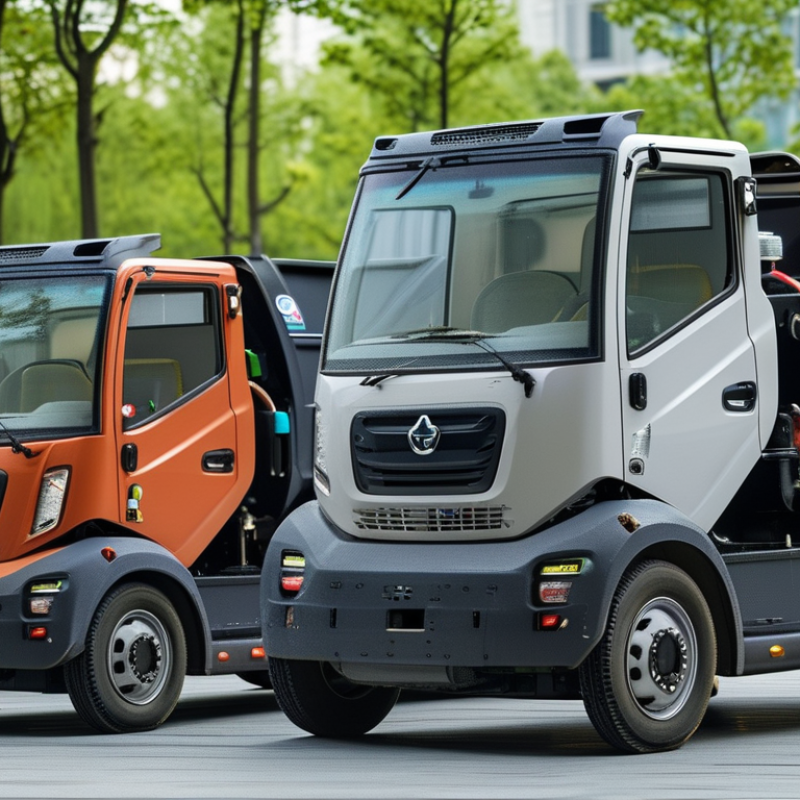
Benefits of Electric Garbage Trucks for Environmental Sustainability
Electric garbage trucks offer significant advantages for environmental sustainability. These vehicles produce zero tailpipe emissions, which significantly reduces air pollution in urban areas. According to a study by the International Council on Clean Transportation, switching to electric waste collection can reduce greenhouse gas emissions by more than 20% over traditional diesel trucks. This kind of change is vital as cities strive to meet their climate goals.
Additionally, electric garbage trucks are quieter than their diesel counterparts. A report from the Environmental Protection Agency highlights that noise pollution is often overlooked in waste management. Residents near collection points are disturbed by loud trucks, especially during early morning hours. Electric trucks can cut noise levels by up to 50%, leading to a better quality of life in communities.
However, adoption rates remain a concern. Infrastructure for charging remains limited in many areas, making it challenging to integrate these vehicles into existing fleets. Cities must invest in reliable charging stations to fully realize the benefits of electric garbage trucks. This effort requires not just funding but also a long-term strategy to replace older, polluting vehicles. Balancing these elements poses a significant challenge for many municipalities.
Comparative Analysis: Electric vs. Diesel Garbage Trucks
The transition from diesel to electric garbage trucks is becoming more prevalent in waste management. According to a report from the International Council on Clean Transportation, electric trucks can reduce greenhouse gas emissions by up to 75% compared to their diesel counterparts. This significant decrease is crucial as cities push for cleaner, sustainable solutions.
Electric garbage trucks offer operational benefits. They reduce noise pollution, which is vital for urban environments. A study from the Electric Power Research Institute shows that electric vehicles can be 50% quieter than traditional diesel trucks. This feature could lead to better community relations during early morning waste collection.
However, the shift is not without challenges. Charging infrastructure is still developing in many regions. Fleet operators must consider the operational downtime during charging cycles. The energy sources for charging also matter; using non-renewable energy reduces some benefits. Organizations need to reflect on these aspects as they make the switch to electric. The automation of refuse collection may offer solutions but comes with its own set of complexities.
Technological Advancements in Electric Garbage Truck Design
The design of electric garbage trucks is evolving rapidly, marked by significant technological advancements. Recent reports indicate that the global electric vehicle truck market is projected to grow at a compound annual growth rate (CAGR) of 18.2% from 2021 to 2028. This growth is driven by innovations that enhance efficiency and reduce environmental impact.
Modern electric garbage trucks incorporate advanced battery technology, allowing for longer operating ranges. Many models now feature swappable battery systems, ensuring minimal downtime during operation. A study by the International Council on Clean Transportation reveals that electric trucks emit up to 80% less greenhouse gas emissions compared to their diesel counterparts. This shift represents a substantial effort toward sustainable waste management in urban areas.
However, challenges remain. The charging infrastructure for electric garbage trucks is still underdeveloped in many regions. Additionally, the upfront costs for electric models can be higher, presenting obstacles to adoption. Municipalities must weigh these factors against the long-term benefits of lower operational costs and environmental compliance. As cities move towards sustainable solutions, the maturity of electric truck technology will play a crucial role in shaping waste management practices.
Challenges and Solutions in Adopting Electric Garbage Trucks
As cities turn to electric garbage trucks, challenges arise in their adoption. One major concern is the current infrastructure. Charging stations must be available to support the fleet. A report from the International Energy Agency states that cities need to increase charging points by 50% to meet electric vehicle demand. Without adequate infrastructure, the full potential of electric garbage trucks cannot be tapped.
Operating costs present another challenge. While electric trucks reduce fuel expenses, initial investments are still high. Budget constraints can hinder deployment, especially in smaller municipalities. However, studies have shown that over time, the total cost of ownership is lower for electric vehicles. The California Air Resources Board found that electric garbage trucks can reduce operational costs by up to 30%.
Moreover, the technology is still evolving. Battery range and durability are common concerns. Reports indicate that battery performance can degrade over time, leading to shortfalls in reliability. Municipalities must weigh the pros and cons carefully. These issues highlight the need for ongoing research and innovation. They remind us that while electric garbage trucks pave the way for greener solutions, a thoughtful approach is crucial for successful integration into waste management systems.
Future Trends in Sustainable Waste Management with Electric Vehicles
The future of waste management is seeing a significant shift toward electric vehicles, particularly electric garbage trucks. A recent report from the International Energy Agency indicates that global electric vehicle sales surged by 108% in 2021. This trend is expected to continue, with projections showing that electric trucks could account for 30% of the commercial vehicle market by 2030. Such vehicles can reduce greenhouse gas emissions by 70% compared to their diesel counterparts.
In cities, the noise pollution caused by traditional garbage trucks is detrimental. Electric trucks operate nearly silently, minimizing disruption during early morning collection times. However, the initial investment in these vehicles can be high. Some municipalities have hesitated due to costs. Yet, studies from the Environmental Protection Agency suggest that overall savings from maintenance and fuel efficiency can outweigh those initial costs within a few years.
Electric garbage trucks are also at the forefront of integrating smart technology. Many are equipped with sensors and software to optimize routes and monitor energy consumption. This data-driven approach could lead to more efficient waste collection methods. Nonetheless, there remain challenges in charging infrastructure and battery life. As urban areas grow, these factors must be addressed for long-term success in sustainable waste management.