
Quality Products

At a Fair Price

Wholesale Provider

Of Valves & Fittings

  • Corporate Office: 1301 Greengrass Drive Houston, TX 77008
  • 1-800-237-2512

Quality Products

At a Fair Price

Wholesale Provider

Of Valves & Fittings

Why Are Electrical Cabinets Essential for Your Business Needs?

electrical cabinets are crucial for various types of businesses. They house and protect electrical systems, ensuring safe operations. According to John Smith, an expert in electrical engineering, "The right electrical cabinet can prevent costly downtimes and enhance productivity." This statement highlights the importance of quality in electrical cabinets.

Businesses often overlook the significance of electrical cabinets. Many consider them mere boxes for electrical components. However, these cabinets are critical for safety and efficiency in any operation. Without them, the risk of electrical hazards increases significantly. Companies should prioritize selecting the best cabinets for their needs.

Choosing the right electrical cabinet requires careful consideration. Factors such as size, material, and design play a vital role. A poorly chosen cabinet can lead to operational issues. Reflecting on this, businesses should invest time in understanding their unique requirements. After all, an electrical cabinet is not just a container; it is an integral part of a business's infrastructure.
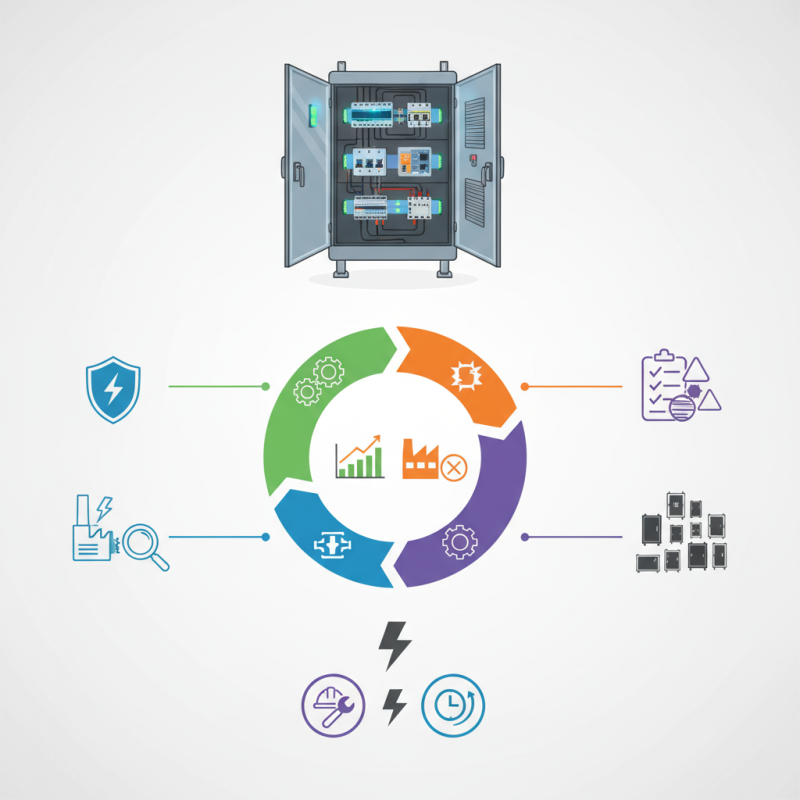
Why Are Electrical Cabinets Essential for Your Business Needs?

Importance of Electrical Cabinets in Modern Business Operations

In modern business operations, electrical cabinets play a crucial role in ensuring safety and efficiency. They house vital electrical components and protect them from environmental threats. According to a report by the National Electrical Manufacturers Association, approximately 70% of electrical faults are caused by improper handling or exposure. This statistic highlights the importance of having secure and reliable electrical cabinets.

These cabinets are designed to meet specific industry standards. They not only safeguard electrical equipment but also streamline maintenance processes. A study revealed that businesses with well-organized electrical cabinets reported a 30% increase in operational efficiency. Being organized saves time and reduces the risk of accidents. This shows how essential the right storage solutions are for managing electrical systems effectively.

However, not all businesses prioritize the quality of their electrical cabinets. Some settle for low-cost options. This decision can lead to problems such as corrosion or inadequate insulation over time. Regular assessments can ensure that electrical cabinets meet safety regulations. Investing in quality cabinets is a reflection of a company's commitment to operational excellence and safety.

Importance of Electrical Cabinets in Modern Business Operations

Functions and Components of Electrical Cabinets in Industrial Settings

Electrical cabinets play a critical role in industrial settings. They house essential components that ensure efficient power distribution. These cabinets protect intricate electrical systems from dust, moisture, and accidental impacts.

Inside an electrical cabinet, you typically find circuit breakers, relays, timers, and terminals. Each part serves a specific function. Circuit breakers safeguard against overloads, while relays help control larger currents. Timers can automate processes, enhancing efficiency. However, these components require regular maintenance to function optimally. Ignoring this can lead to unexpected failures.

The size and layout of an electrical cabinet depend on the application. Some industries need larger cabinets for complex systems. Others may use smaller ones for straightforward tasks. Proper design is crucial. An ill-designed cabinet can lead to overheating or accessibility issues. The challenge is balancing space and functionality. Regularly reviewing and updating designs helps avoid operational disruptions.

Why Are Electrical Cabinets Essential for Your Business Needs? - Functions and Components of Electrical Cabinets in Industrial Settings

Dimension Description
Electrical Supply Provides the necessary power for various industrial equipment and systems.
Safety Features Includes circuit breakers and emergency stop switches to protect personnel and equipment.
Signal Control Facilitates control of devices from a distance via programmable relays and sensors.
Heat Management Ensures proper ventilation and cooling systems to avoid overheating of components.
Component Organization Organizes fuses, contactors, and other electrical components for easy access and maintenance.
Compliance Meets national standards and regulations for electrical installations to ensure safety and reliability.
Environmental Protection Encloses sensitive electrical components to protect them from dust, moisture, and other environmental factors.

Safety Standards and Regulations for Electrical Cabinet Usage

Electrical cabinets play a pivotal role in ensuring safety in various business environments. Adhering to safety standards and regulations is essential to mitigate risks associated with electrical systems. For instance, the National Fire Protection Association (NFPA) reports that nearly 20% of workplace fires stem from electrical failures. This statistic underscores the need for robust electrical cabinets that comply with safety guidelines.

Proper installation and maintenance of electrical cabinets can prevent significant hazards. The Occupational Safety and Health Administration (OSHA) emphasizes the importance of using enclosures that meet specific standards, such as IEC 61439. This standard outlines safety and performance criteria essential for low-voltage switchgear and control gear. Many businesses overlook these requirements, which can lead to non-compliance and increased liability.

Visual inspections and regular testing of electrical cabinets are crucial practices. According to the Electrical Safety Foundation International (ESFI), about 5,000 workplace injuries occur annually due to electrical risks. Businesses must not only adhere to regulations but should also reflect on their current practices. Are their cabinets properly labeled? Are the access points secured? Regular audits can shine a light on areas needing improvement, ultimately enhancing workplace safety.

Benefits of Properly Installed Electrical Cabinets for Business Efficiency

Properly installed electrical cabinets play a crucial role in business efficiency. They protect sensitive electrical components from dust and moisture. This protection helps maintain optimal performance, reducing the risk of equipment failure. Without these cabinets, businesses might face unexpected downtime, leading to lost productivity and revenue.

Additionally, organized electrical cabinets enhance safety in the workplace. They house wiring and circuits in a secure manner, minimizing the chances of electrical shocks or fires. Employees can work more confidently, knowing they are safe from hidden hazards. However, poor installation or maintenance can create risks. It is vital to ensure regular inspections to uphold these safety standards.

Efficient electrical cabinets also contribute to better space management. They can be designed to fit into tight areas, maximizing usable workspace. Yet, without careful planning, businesses may find themselves with cabinets that hinder access or movement. Thoughtful placement and proper sizing are essential for achieving true efficiency in operations.

Maintenance Practices for Ensuring Longevity of Electrical Cabinets

Electrical cabinets play a critical role in industrial and commercial environments. They house electrical components that keep systems running smoothly. However, neglecting maintenance can lead to significant risks and costly downtime. Regular inspections are vital to catching potential faults early. A comprehensive maintenance plan should include checking for dust accumulation and verifying electrical connections.


Reports indicate that regular maintenance can extend the lifespan of electrical cabinets by up to 30%. This highlights the importance of proactive care. For instance, temperature monitoring can help prevent overheating, which is a common issue. Keeping a log of inspections can also provide insights into recurring problems, allowing teams to address them effectively.


Yet, many businesses overlook these practices. They often wait until issues arise to take action. This reactive approach can result in unplanned outages and expensive repairs. Being proactive is essential for ensuring operational reliability. Regular maintenance fosters a safer environment, reducing the risk of electrical hazards. It’s not just about functionality; it’s about protecting investments and ensuring continuous operations.

Top
error: Content is protected !!