
Quality Products
At a Fair Price
Wholesale Provider
Of Valves & Fittings
- HOME
- Products
- Ball Valves
- Bull Plugs & Swages
- Butterfly Valves
- Check Valves
- Cushion / Flow Tees & Bleed Rings
- Enhanced Oil Recovery
- Floating Ball Valves
- Foot Valves
- Forged Steel Fittings
- Forged Steel Outlets
- Gaskets-Insulation Kits
- Gate Valves
- Gate, Globe & Check Valves
- Malleable Fittings
- Needle Valves
- Nipples
- Piston Valves
- Plug Valves
- Stainless Steel Flanges, Fittings & Nipples
- Strainers
- Studs
- Trunnion
- Unions
- Weld Fittings & Flanges
- Manufacturers
- Advance
- American Block
- Anvil
- Balon
- Bonney Forge
- Champion
- Clayton Mark
- Crane
- Daniel
- DMIC
- GMI
- Galli & Cassina
- Hackney-Ladish
- JMC
- Lone Star
- MATCO
- Marpac-McCanna
- National Flange
- National Gasket
- Nordstrom
- Nutron
- PPI
- SHARPE
- SMI
- TEXSTEAM
- TEX-THREAD
- Titan
- USA Fastner
- Vogt
- Weld Bend
- Westbrook
- Wheatley
- Williams
- WKM
- Wolar
- Locations
- Contact
- Blog
- Careers
- Get a Quote
- HOME
- Products
- Ball Valves
- Bull Plugs & Swages
- Butterfly Valves
- Check Valves
- Cushion / Flow Tees & Bleed Rings
- Enhanced Oil Recovery
- Floating Ball Valves
- Foot Valves
- Forged Steel Fittings
- Forged Steel Outlets
- Gaskets-Insulation Kits
- Gate Valves
- Gate, Globe & Check Valves
- Malleable Fittings
- Needle Valves
- Nipples
- Piston Valves
- Plug Valves
- Stainless Steel Flanges, Fittings & Nipples
- Strainers
- Studs
- Trunnion
- Unions
- Weld Fittings & Flanges
- Manufacturers
- Advance
- American Block
- Anvil
- Balon
- Bonney Forge
- Champion
- Clayton Mark
- Crane
- Daniel
- DMIC
- GMI
- Galli & Cassina
- Hackney-Ladish
- JMC
- Lone Star
- MATCO
- Marpac-McCanna
- National Flange
- National Gasket
- Nordstrom
- Nutron
- PPI
- SHARPE
- SMI
- TEXSTEAM
- TEX-THREAD
- Titan
- USA Fastner
- Vogt
- Weld Bend
- Westbrook
- Wheatley
- Williams
- WKM
- Wolar
- Locations
- Contact
- About
- Careers
- Get a Quote
What is Lamas Wpc and Why Should You Consider It?
Lamas Wpc is gaining attention in the world of sustainable building materials. This innovative product combines durability with eco-friendliness. It is made from recycled materials, which offsets the environmental impact often seen with traditional options.
Choosing Lamas Wpc means investing in a product that stands strong against the elements. It is resistant to moisture and pests, making it ideal for various applications. Homeowners and builders alike are looking for reliable and beautiful alternatives, and this material fits the bill.
However, not all Lamas Wpc products are created equal. It’s key to select a reputable manufacturer to ensure quality and performance. Some products may fall short of expectations. Evaluation of reviews and testimonials can guide your decision-making. Quality assurance matters when it comes to sustainability.
What is Lamas WPC?
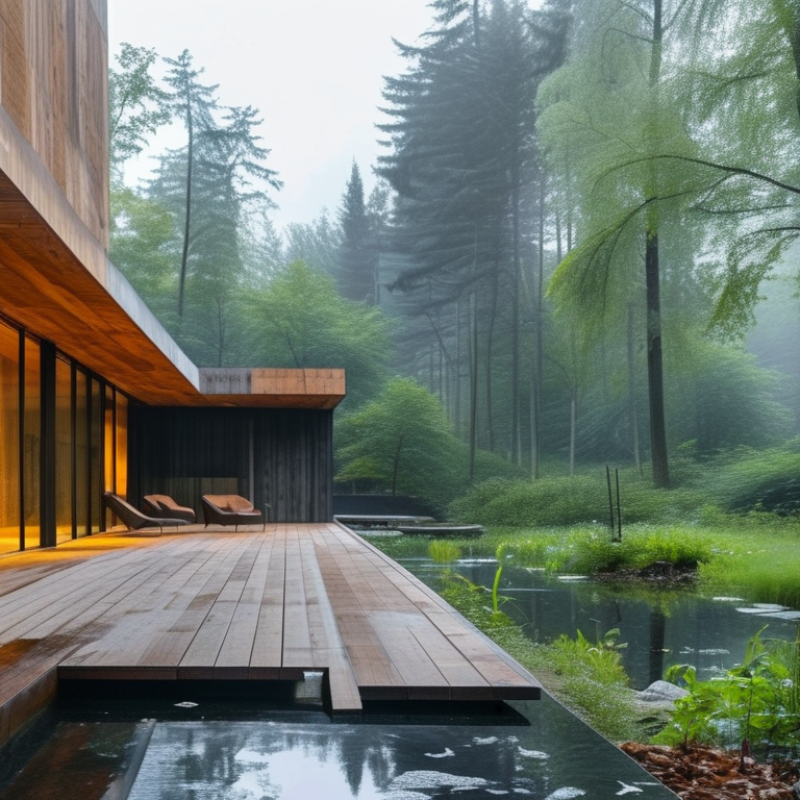
Lamas WPC is a versatile material crafted from wood fibers and thermoplastics. This unique combination offers durability and resistance to moisture, making it ideal for various applications. Unlike traditional wood, Lamas WPC doesn’t warp or split easily. Homeowners often choose it for decking, fencing, and outdoor furniture. The aesthetic appeal is notable, as it retains the warmth of wood while providing a modern finish.
Consider these tips when exploring Lamas WPC for your next project. First, think about the climate in your area. Extreme temperatures or high humidity can affect material performance. Always check the specifications to ensure it suits your needs. Second, consider installation complexity. Proper installation is crucial to maximizing longevity. You might need to consult professionals if you are uncertain.
One potential drawback is the initial cost. While Lamas WPC can save money over time due to low maintenance, the upfront investment might not suit every budget. Reflect on your long-term plans to determine if it’s the right choice. Memory about the ongoing maintenance processes is essential too. Regular cleaning will enhance its appearance and longevity, avoiding potential issues.
What is Lamas WPC and Why Should You Consider It?
| Feature | Description | Benefits |
|---|---|---|
| Material Composition | Made from a blend of recycled wood and plastic. | Environmentally friendly and sustainable. |
| Durability | Resistant to moisture, pests, and fading. | Long-lasting with minimal maintenance required. |
| Aesthetic Appeal | Available in various colors and finishes. | Enhances the visual appeal of outdoor and indoor spaces. |
| Installation | Easy to install with standard tools. | Saves time and labor costs during installation. |
| Safety Features | Non-slip surface and splinter-free edges. | Safe for families and pets. |
Key Features of Lamas WPC
Lamas WPC stands out due to its unique and effective features. One of its key aspects is durability. This material can withstand harsh weather conditions without losing its structural integrity. It resists mold, mildew, and termites, making it ideal for outdoor projects. If you are planning a deck or fence, this could be a smart choice.
Another notable feature is the ease of maintenance. Unlike traditional wood, Lamas WPC requires minimal upkeep. A simple wash with soap and water keeps it looking new. This can save you time and effort. Homeowners appreciate this advantage, especially those with busy lifestyles.
Tip: Always check for warranties. A product with a solid warranty reflects confidence in its quality. Additionally, consider your local climate before making a decision. Extreme conditions may require special care.
Moreover, Lamas WPC comes in various colors and textures. This offers versatility for design preferences. You can achieve a stylish look without compromising on strength or longevity. Some users have reported color fading over time. It's essential to weigh these potential issues when choosing materials.
Benefits of Using Lamas WPC in Construction
Lamas WPC is gaining traction in the construction industry for its unique properties. One key benefit is its resistance to moisture and insects. According to a report by the U.S. Forest Service, nearly 25% of all wood products are affected by water or pests. This leads to significant maintenance costs over time. Lamas WPC, which integrates wood fibers with plastic, provides a durable alternative. Its resistance to degradation allows for longer-lasting structures with lower upkeep.
The environmental impact of using Lamas WPC is another compelling factor. A study by the National Institute of Standards and Technology reveals that WPC can reduce overall carbon emissions by 60% compared to traditional materials. Furthermore, it incorporates recycled materials, which helps divert waste from landfills. Building with Lamas WPC aligns with sustainability goals and can meet green building certifications.
However, Lamas WPC does have some drawbacks. It can be more expensive upfront than conventional materials. Decision-makers need to assess long-term savings against initial costs. Additionally, the installation process might require specialized skills, which can add to overall expenses. Construction professionals should weigh these challenges against the product's benefits.
Benefits of Using Lamas WPC in Construction
Comparing Lamas WPC with Traditional Materials
Lamas WPC is gaining ground as a viable alternative to traditional building materials. The construction sector faces increasing pressure to adopt sustainable practices. According to a recent report, materials like wood, concrete, and plastic have varying environmental impacts. Traditional wood has a significant carbon footprint due to deforestation, while plastic can take hundreds of years to decompose. Lamas WPC, made from recycled materials, addresses these issues with a lower environmental toll.
This composite material demonstrates superior durability compared to traditional wood. It resists moisture, decay, and insects, leading to more extended longevity. A 2021 study revealed that WPC can outperform wood by lasting up to 25 years without significant degradation. However, some considerations remain. The initial cost of Lamas WPC may be higher than standard materials. Consumers must weigh long-term benefits against upfront investments. While some may question its aesthetic appeal, advancements in design are bridging this gap, making WPC visually attractive.
Ultimately, the construction industry is evolving. Professionals prioritize sustainability and durability in choices. Embracing materials like Lamas WPC signifies an important shift towards responsible building. The journey to fully understand WPC is ongoing, with future research needed to optimize its performance and production processes.
Applications of Lamas WPC in Various Industries
Lamas WPC, or Wood Plastic Composite, boasts a wide range of applications across various industries. Its unique blend of wood fibers and plastic makes it suitable for outdoor furniture, building materials, and even automotive components. In construction, it provides a sustainable alternative to traditional wood. Builders appreciate its durability, resistance to weathering, and low maintenance needs.
In the furniture sector, Lamas WPC is quickly gaining traction. Many designers are leveraging its flexibility in shaping and coloring. It allows for creativity while ensuring a long-lasting product. However, designers must consider the environmental impact of production processes. Certain methods may not align with sustainability goals.
The automotive industry also finds Lamas WPC beneficial. Its lightweight nature contributes to fuel efficiency. Manufacturers see cost savings in using composite materials over metals. Yet, some challenges exist. The material's performance under extreme conditions needs further testing. Ensuring safety and reliability is crucial. Overall, Lamas WPC's versatility invites exploration while prompting necessary discussions on its production implications.
