What is PC Board Assembly and Why is it Important?
PC Board Assembly is a crucial process in electronics manufacturing. It focuses on assembling electronic components onto printed circuit boards (PCBs). According to a report by Market Research Future, the global PCB assembly market is expected to reach $75 billion by 2027, reflecting a compound annual growth rate of 7.5%.
Experts emphasize the significance of PC Board Assembly in ensuring the reliability of electronic devices. Dr. Emily Johnson, a noted specialist in electronic manufacturing, states, "Effective PC Board Assembly defines the foundation of quality electronics." This statement underscores the need for precision and expertise in the assembly process. Errors during assembly can lead to malfunctioning products, resulting in costly recalls and damage to brand reputation.
The importance of PC Board Assembly cannot be overstated. It serves various industries, from automotive to consumer electronics. However, challenges persist, such as component sourcing and quality control. Companies must navigate these obstacles carefully to maintain their market position. This complexity highlights the need for continuous improvement in PC Board Assembly practices to meet evolving industry standards.
What is PC Board Assembly?
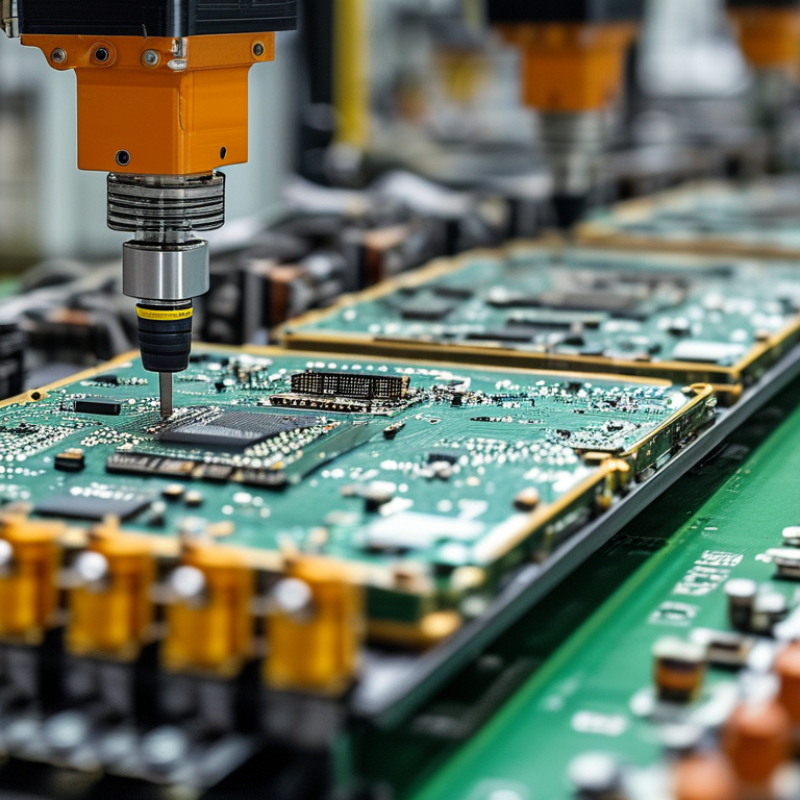
PC board assembly is a critical process in the electronics industry. It involves the assembly of printed circuit boards (PCBs) that connect and support various electronic components. According to industry reports, the global PCB market is projected to reach over $100 billion by 2024, highlighting the significant growth and demand in this sector. This assembly is essential in developing everything from consumer electronics to medical devices.
In this process, components such as resistors, capacitors, and microchips are mounted on a substrate. Techniques vary from through-hole mounting to surface mount technology. Each method has its own advantages and challenges. Surface mount technology is gaining popularity for its efficiency and compactness. However, it requires precise machinery and skilled operators, which can lead to increased costs and complexities.
Quality control is paramount in PCB assembly. A report from IPC states that up to 40% of electronic failures can be attributed to poor assembly practices. Design flaws and inadequate soldering can result in significant product failures. Industries must adopt stringent testing measures to ensure reliability. Implementing automated optical inspection (AOI) has become a standard practice to detect anomalies early in the assembly process.
Importance of PC Board Assembly
The Components Involved in PC Board Assembly
PC board assembly involves several key components that play a crucial role in the functionality of electronic devices. At the heart of this process are printed circuit boards (PCBs), which serve as the foundation for connecting various electronic components. These boards are often made from materials like fiberglass or epoxy resin, providing a durable substrate for the intricate pathways that facilitate electrical connections.
Another vital component is the electronic parts themselves, such as resistors, capacitors, and integrated circuits. Each of these elements has distinct roles. Resistors limit current flow, while capacitors store and release energy. Integrated circuits combine many functions into a single package. The interconnection of these components is achieved through solder, which must be applied meticulously to ensure reliability.
Quality control in PC board assembly is critical. Problems can arise at any stage. Improper soldering may lead to short circuits. Components can be misplaced or damaged during handling. Each aspect requires careful attention. Organizations often employ automated inspection systems to catch these errors early. This thoroughness is essential, as even a minor defect can have significant implications for device performance and safety.
The Process of PC Board Assembly
PC board assembly is a crucial process in electronics manufacturing. It involves the integration of electronic components onto a printed circuit board (PCB). The process is not just about fitting parts onto a board; it requires precision and skill. Each component must be placed accurately to ensure the functionality of the final product. Even minor misalignments can lead to failures in electronic devices.
The steps in PC board assembly include soldering, inspection, and testing. During soldering, components are attached to the PCB using solder paste. This process can be done manually or through automated machines. After soldering, boards undergo rigorous inspection to identify any defects. This stage is vital. It’s where issues can be caught before reaching consumers. Testing follows to ensure that each board meets the required specifications.
However, it is challenging. Mistakes during assembly can be costly. Defective boards can result in product recalls, which harm a company's reputation. Continuous improvement is necessary. Embracing new technologies and methods can enhance assembly processes. Reflection on past errors can also lead to better outcomes in future projects.
What is PC Board Assembly and Why is it Important? - The Process of PC Board Assembly
| Process Step | Description | Importance | Time Required |
| Design | Creating the layout and schematic of the PCB using design software. | Essential for ensuring the PCB functions as intended. | 1-2 weeks |
| Prototyping | Manufacturing a prototype board for testing and validation. | Allows for early detection of design flaws. | 2-3 weeks |
| Manufacturing | Fabrication of the PCB, including etching and drilling. | Critical for ensuring durability and performance. | 3-6 weeks |
| Assembly | Placing components on the PCB and soldering them in place. | Forming the actual electronic circuit for the device. | 1-2 weeks |
| Testing | Functional and quality testing of the assembled PCB. | Ensures the board meets all specifications and requirements. | 1 week |
The Importance of PC Board Assembly in Modern Electronics
PC board assembly plays a crucial role in modern electronics. It is the process of connecting different electronic components to a printed circuit board (PCB). This connection forms the backbone of electronic devices, allowing them to function seamlessly. A well-assembled PC board ensures reliable communication and power distribution across components.
In today's fast-paced technology landscape, precision in PC board assembly is vital. Poor assembly can lead to malfunctioning devices. Every solder joint and component placement requires meticulous attention. It’s essential to validate assembly techniques regularly. Implementing quality control measures can help catch errors early, improving overall product reliability.
Tips for improving PC board assembly include utilizing automated processes where possible. Automation can reduce human error and increase efficiency. Additionally, consider regular training for assembly teams. Knowledge of new technologies can enhance skills. Finally, always conduct rigorous testing before finalizing a product. Testing can reveal hidden issues, which can save time and resources later.
Challenges and Solutions in PC Board Assembly
The assembly of PC boards involves various intricate steps, each with its challenges. One common issue is the alignment of components. Improper placement can lead to malfunction. Achieving precision requires trained personnel and advanced tools. Even under tight deadlines, ensuring accuracy remains a top priority.
Another key challenge is solder quality. Low-quality solder can create weak joints, causing failures over time. Regular inspections help identify bad soldering before final assembly. Additionally, environmental factors can affect solder performance. Humidity and temperature fluctuations may lead to corrosion if not monitored.
The integration of automated systems can alleviate some of these challenges. Automation enhances accuracy and consistency. However, it also introduces new complexities. Maintenance of automated machines is essential. Skilled technicians must be involved to ensure everything runs smoothly. Balancing human oversight with automation is crucial for optimal results.