
Quality Products

At a Fair Price

Wholesale Provider

Of Valves & Fittings

  • Corporate Office: 1301 Greengrass Drive Houston, TX 77008
  • 1-800-237-2512

Quality Products

At a Fair Price

Wholesale Provider

Of Valves & Fittings

Top Powder Briquetting Machine Trends for 2026 What to Know?

As industries evolve, the relevance of the Powder Briquetting Machine continues to grow. According to Dr. Emily Zhang, a leading expert in briquetting technology, “Efficiency in powder briquetting is crucial for sustainable production.” Her insights shed light on current trends and future predictions in this sector.

In 2026, advancements in automation and energy efficiency will shape the Powder Briquetting Machine market. The focus will increasingly shift towards sustainability. Industries will seek machines that not only optimize resource use but also minimize waste. Bridging innovation and environmental responsibility will be key. Yet, challenges remain. Some companies struggle to keep pace with emerging technologies.

The dialogue around Powder Briquetting Machines is evolving. Stakeholders must adapt to trends or risk falling behind. As the industry grows, understanding these dynamics becomes essential. Companies must reflect on their practices and consider new technologies in briquetting. The future is bright but requires conscious effort and adaptation.
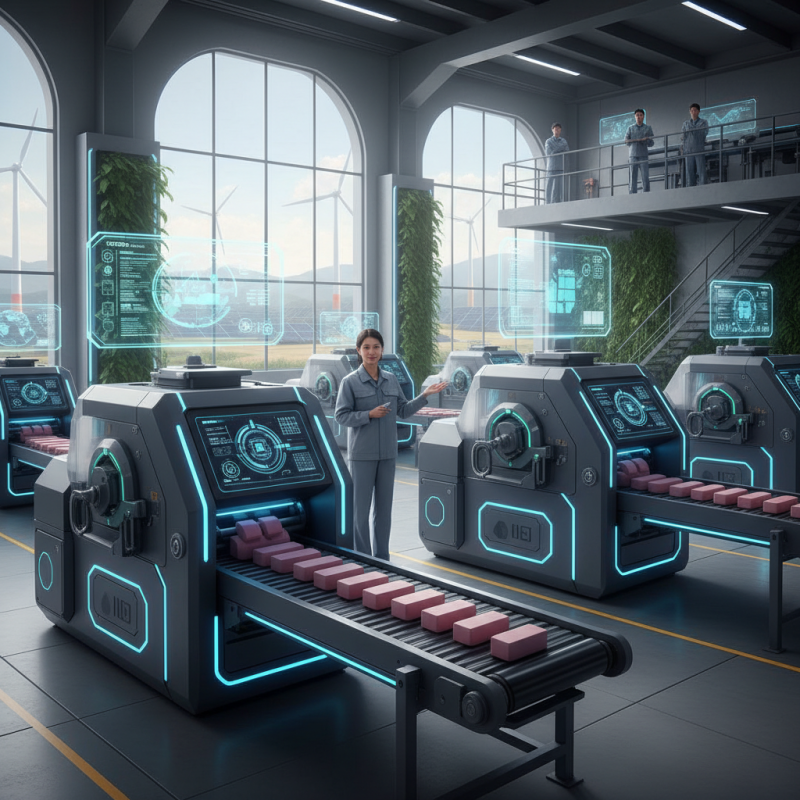
Top Powder Briquetting Machine Trends for 2026 What to Know?

Top Powder Briquetting Machine Trends in 2026: An Overview

The powder briquetting industry is witnessing significant trends as we approach 2026. One notable trend involves increasing automation in briquetting processes. Manufacturers are investing in advanced technologies to enhance efficiency. This shift is expected to reduce labor costs and improve product consistency. Automation helps in monitoring quality, ensuring that every briquette meets industry standards.

Another trend is the emphasis on sustainability. There’s a growing demand for eco-friendly briquetting solutions. Companies are exploring renewable raw materials, like agricultural waste and biomass, to produce briquettes. This choice not only minimizes waste but also appeals to environmentally conscious consumers. However, sourcing these materials can pose challenges. It requires a reliable supply chain, and not all regions can easily access them.

Innovation in briquetting machinery is also on the rise. Developers are focusing on energy-efficient designs and improved compression techniques. These advancements can lead to higher output and lower energy consumption. Yet, transitioning to new technology often requires significant investment, which is a barrier for some businesses. Evaluating the long-term benefits versus short-term costs will be key for stakeholders in the industry.

Key Market Drivers for Powder Briquetting Machines by 2026

The powder briquetting machine market is evolving rapidly. By 2026, industry trends showcase a rise in automation. Automated systems enhance efficiency, reducing labor costs. This shift improves production rates significantly. Additionally, energy efficiency is becoming a priority. Many manufacturers are adopting eco-friendly technologies to minimize environmental impact.

Demand for sustainable practices affects market drivers as well. Industries focus on recycling and waste reduction. This trend supports the need for briquetting machines that can convert waste into usable energy. With raw material availability fluctuating, versatile machines are preferred. They can process various materials, thus catering to different sectors.

Users must be aware of the technology's challenges. Some machines require significant maintenance. Others may not meet production demands consistently. As companies invest, navigating these issues is crucial. Understanding market shifts can facilitate better decision-making. Overall, staying informed about these trends is essential for future success in the briquetting sector.

Technological Innovations Shaping Powder Briquetting Machinery

The powder briquetting machinery sector is evolving rapidly. Technological innovations are at the forefront of this change. According to recent reports, the global briquetting machine market is expected to reach $661 million by 2026, with significant advancements driving growth. Automation and AI integration in machinery are shaping efficiency. These technologies enable precise control over briquetting processes, reducing waste and optimizing material usage.

New materials are also gaining traction. Eco-friendly binders enhance the briquetting process while minimizing environmental impact. Reports indicate that around 25% of companies are investing in developing these sustainable solutions. However, challenges remain, including the need for skilled labor to operate complex systems. Moreover, the durability of newer machines is sometimes questioned, leading to a need for more rigorous testing and quality assurances. User feedback on machinery's long-term performance often reveals mixed experiences, highlighting the importance of continuous improvement.

Performance monitoring tools are integral to the process. They help users track efficiency and output. Data from industry studies suggest that approximately 60% of manufacturers are adopting these tools. Nonetheless, not all users are fully utilizing these advancements. A gap exists between technology availability and actual implementation in operations. This inconsistency raises questions about training and the readiness of industry professionals to embrace new technologies.

Top Powder Briquetting Machine Trends for 2026

This chart illustrates the various trends impacting powder briquetting machinery by 2026, measured on a scale from 1 to 10. Key trends include innovative materials, automation levels, energy efficiency, market growth, and sustainability practices.

Regional Market Analysis: Growth Opportunities in Powder Briquetting

The powder briquetting market is evolving rapidly, with significant regional opportunities emerging. According to a recent industry analysis, the Asia-Pacific region is expected to see robust growth due to rising industrialization and urbanization. By 2026, the market in this area could expand at a CAGR of over 7%. Countries like India and China are investing heavily in sustainable manufacturing practices. This focus on eco-friendly processes directly influences the demand for briquetting machines designed for powder materials.

North America also presents compelling opportunities. The increasing emphasis on waste management and recycling drives the market. A report indicates that the U.S. powder briquetting market could exceed $200 million by 2026. However, challenges in technology adoption persist. Many small manufacturers struggle with the initial costs of these machines. This creates a gap in potential growth, as not all manufacturers can access advanced briquetting technology.

While Europe remains a mature market, new trends in energy production are influencing powder briquetting. Countries are exploring biomass briquettes to meet renewable energy targets. Yet, regulatory uncertainties pose risks for manufacturers in this region. They must navigate varying standards around waste materials and production processes, which can complicate market entry. Understanding these dynamics is crucial for stakeholders looking to capitalize on the evolving landscape of powder briquetting.

Sustainability Trends Influencing Powder Briquetting Machine Choices

Sustainability is reshaping the choices in powder briquetting machines. As industries become more eco-conscious, manufacturers are seeking ways to minimize their carbon footprints. According to a recent market analysis, the demand for sustainable briquetting solutions is projected to grow by 25% globally by 2026. This trend highlights a significant shift in production methods towards greener technologies.

One major factor driving these changes is the focus on waste reduction. Companies are now looking to convert by-products into usable materials. This not only helps in efficient resource utilization but also decreases landfill waste. Statistics show that around 30% of industrial waste could potentially be transformed through briquetting processes. However, many organizations still struggle to implement these sustainable practices effectively due to high upfront costs and a lack of available technology.

Tips: Consider conducting a thorough cost-benefit analysis. Evaluate the lifecycle of your powder briquetting machine. Understanding the long-term gains versus short-term expenses can lead to smarter investments. Additionally, keep abreast of technological advancements and seek expert opinions to ensure informed decisions.

Adopting eco-friendly materials is another area to explore. This can enhance the sustainability of briquetting operations. Yet, some companies face challenges in sourcing these materials consistently. The need to balance quality and sustainability remains a complex issue within this industry. Investing in research and development can help overcome these obstacles and lead to more reliable solutions in the future.

Top
error: Content is protected !!