Top Spunbond Nonwoven Machine Options for Your Business Needs?
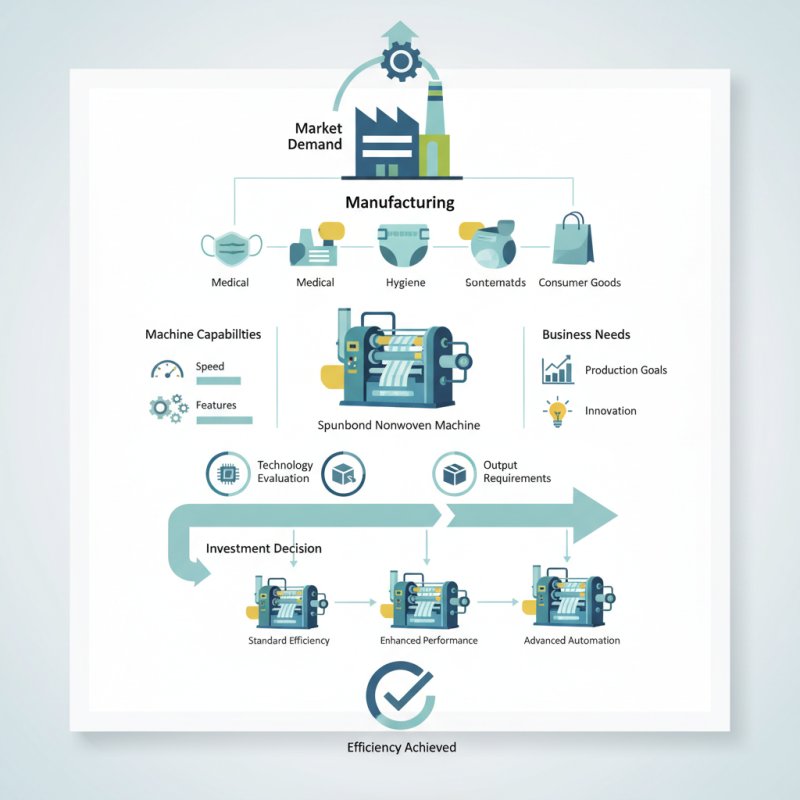
In today’s competitive market, the demand for high-quality nonwoven materials is on the rise. The Spunbond Nonwoven Machine plays a critical role in manufacturing these materials efficiently. Businesses are striving to meet diverse needs, from medical products to consumer goods.
Selecting the right Spunbond Nonwoven Machine is essential for meeting production goals. These machines offer various capabilities, impacting quality and speed. However, many companies may overlook specific features that greatly influence their operation.
Investing in an advanced Spunbond Nonwoven Machine is a strategic decision. It requires careful evaluation of both technology and output requirements. Understanding how different machines perform will guide your choice. Achieving efficiency can be challenging, but the right machine makes a significant difference.
Understanding Spunbond Nonwoven Technology and Its Applications
Spunbond nonwoven technology has transformed various industries. This process involves spinning polymer fibers into a continuous web. The result is a versatile material used in packaging, medical applications, and even fashion. Its strength and durability make it a popular choice for many businesses.
Tips: Consider your specific needs when selecting spunbond materials. Test various thicknesses and compositions. This can impact the final product quality.
Applications of spunbond nonwoven fabrics are diverse. They provide excellent barrier properties, making them ideal for hygiene products. These fabrics are breathable yet resistant to water. In the agricultural sector, spunbond nonwovens protect crops from pests while allowing sunlight and moisture in. This balance is crucial for plant health.
Tips: Keep an eye on sustainability. Explore eco-friendly options and recycling methods. Businesses should also be aware of the environmental impact of their materials.
The versatility of spunbond isn’t without challenges. Selecting the right equipment can be daunting. Variability in raw materials can affect production consistency. It’s important to test and adapt as necessary. Understanding these nuances will drive better outcomes for your operations.
Key Features to Consider When Choosing a Spunbond Nonwoven Machine
Choosing the right spunbond nonwoven machine requires careful consideration of several key features. One important factor is the production capacity. Determine how much output you need to meet your business demands. Machines vary widely in their processing speed and volume. A good fit can significantly enhance efficiency and reduce costs.
Another essential feature is the machine’s adaptability. It’s vital to consider whether the machine can handle different fiber types and weights. Flexibility in raw material options can prove beneficial for meeting diverse market needs. Additionally, user-friendliness is crucial. Operators should easily understand the controls and settings. This reduces training time and minimizes operator errors.
Durability and maintenance also require attention. Durable machines may save costs in the long run. However, keep in mind that all machines require maintenance. A dependable machine that breaks down frequently will hinder productivity. Therefore, assess the availability of support and spare parts. Balancing these features can be a challenge but is essential for long-term success in your manufacturing process.
Comparative Analysis of Top Spunbond Nonwoven Machine Brands
When exploring options for spunbond nonwoven machines, several key factors come into play. Different manufacturers each offer unique technologies and features. Yet, selecting the right machine is more than just considering its technical specifications. Materials quality, production speed, and maintenance requirements are critical. Each brand represents distinct advantages and potential drawbacks.
Brands may claim high output rates or superior fabric strength. However, user experience often reveals mixed results. Some machines may excel in efficiency but require more frequent repairs. Others might deliver excellent nonwoven fabric but at a slower pace. For instance, a robust machine in lab tests may struggle under heavy usage. User reviews highlight the importance of real-world performance over theoretical metrics.
It's crucial to balance these factors against your business needs. Past buyers advocate for machines that offer great support and after-sales services. The longevity of your investment often depends on such support. Conducting thorough research and comparisons can aid in easing potential regrets after purchase. Every choice carries inherent uncertainties, and acknowledging these can refine your decision-making process.
Maintenance and Efficiency Tips for Spunbond Nonwoven Machines
When operating spunbond nonwoven machines, maintenance and efficiency are crucial for optimal performance. A well-maintained machine can significantly reduce downtime and enhance production quality. Regular inspections help identify wear and tear. Check belts, rollers, and temperature settings frequently.
One vital tip is to clean the machine daily. Dust and fibers can build up, affecting productivity. This quick routine helps maintain temperature control and ensures smooth operation. Keeping detailed logs of maintenance activities can provide insights into patterns needing attention.
Another aspect to focus on is operator training. Skilled operators can spot issues early, preventing larger problems down the line. Offering regular training sessions fosters a culture of safety and efficiency. Evaluating training effectiveness can highlight areas needing improvement. Balancing maintenance tasks with production demands is often challenging yet essential for long-term success.
Top Spunbond Nonwoven Machine Options for Your Business Needs
| Machine Model | Production Capacity (kg/h) | Energy Consumption (kW) | Maintenance Frequency (months) | Efficiency Rating (%) |
| Model A | 100 | 50 | 6 | 90 |
| Model B | 120 | 45 | 12 | 92 |
| Model C | 80 | 55 | 8 | 88 |
| Model D | 150 | 60 | 10 | 91 |
| Model E | 110 | 48 | 7 | 89 |
Future Trends in Spunbond Nonwoven Machine Development and Usage
The future of spunbond nonwoven machines is dynamic and promising. Advancements in technology will boost production efficiency. Machines will integrate automation, reducing labor costs. This shift allows businesses to respond quickly to market changes.
Sustainability is another key trend. Environmentally friendly materials will gain traction. Manufacturers will focus on recyclability and energy efficiency. The impact on production processes will be significant. Companies may struggle to adapt without strategic planning.
Health and safety standards will evolve. Spunbond machines will require better safety features. Training for operators will be necessary. These developments may challenge some businesses. Adapting to new regulations will take time and resources. It's a complex landscape, but those who embrace change will thrive.