What is Stainless Steel Flanges Types Uses and Benefits You Should Know
Stainless steel flanges play a crucial role in the world of piping and industrial applications, providing essential connections between various pipe segments, valves, and equipment. These vital components are designed to withstand high pressure, temperature, and corrosive environments, making them a preferred choice for industries such as oil and gas, chemical processing, and water treatment. Understanding the different types of stainless steel flanges, their specific uses, and the benefits they offer is imperative for engineers and technicians alike.
In this exploration of stainless steel flanges, we will delve into the various types available, including slip-on, blind, threaded, and weld neck flanges, each with unique characteristics and applications. Additionally, we will highlight the advantages of utilizing stainless steel for flange construction, such as enhanced durability, resistance to corrosion, and the ability to maintain structural integrity in challenging environments. By grasping the significance of stainless steel flanges, professionals can make informed decisions that promote system reliability and efficiency in their projects.

Types of Stainless Steel Flanges and Their Characteristics
Stainless steel flanges are essential components in piping systems, providing a reliable means to connect pipes, valves, and other fittings. Among the various types available, the most common include
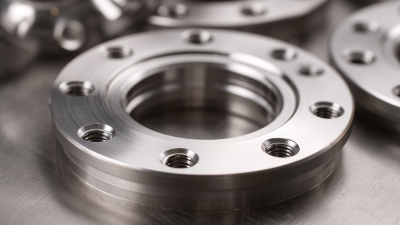
slip-on flanges,
weld neck flanges,
and
blind flanges, each serving distinct purposes.
Slip-on flanges are designed to fit over the pipe, allowing for easy alignment and installation. They are often used in low-pressure applications. In contrast, weld neck flanges are attached to the pipe by welding, making them suitable for higher pressure systems due to their strength and support.
Blind flanges, on the other hand, are used to seal the end of a piping system or to close off a nozzle, preventing the passage of fluids. Their robust construction ensures that they can withstand pressure and temperature variations. Another notable type is the
socket weld flange, which provides a tight connection, making it ideal for applications in environments that require high durability.
Each type of stainless steel flange not only plays a crucial role in the integrity of piping systems but also offers benefits like corrosion resistance and longevity, which are vital for industrial applications.
Common Applications of Stainless Steel Flanges in Various Industries
Stainless steel flanges are integral components widely used across various industries due to their exceptional corrosion resistance and strength. One of the most common applications of stainless steel flanges is in the oil and gas sector, where they are utilized to connect pipes, valves, and pumps in both onshore and offshore facilities. Their ability to withstand high-pressure environments and harsh conditions makes them ideal for safely transporting hydrocarbons and other critical materials.
In the pharmaceutical and food processing industries, stainless steel flanges are essential for maintaining hygiene and preventing contamination. These industries require robust connections that can endure cleaning processes and mechanical stress without compromising the integrity of the systems. Flanges help create secure joints in sanitary piping systems, ensuring that substances remain uncontaminated throughout production and distribution. Additionally, their versatility and adaptability allow for easy installation in a variety of configurations, catering to the unique requirements of different applications.
Advantages of Using Stainless Steel Flanges in Construction Projects
Stainless steel flanges are crucial components in construction projects, providing secure connections between piping systems. One of the primary advantages of using stainless steel flanges is their excellent corrosion resistance, which is essential for maintaining structural integrity in various environments, particularly in coastal and industrial settings. According to a report by the International Society of Automation, stainless steel flanges can last five to ten times longer than carbon steel flanges in corrosive applications, making them a cost-effective choice in the long run.
Furthermore, stainless steel flanges offer superior strength and durability, which is critical when supporting large loads in construction. The American Institute of Steel Construction notes that stainless steel's strength-to-weight ratio is significantly higher than that of traditional materials, allowing for lighter designs without compromising stability. This not only reduces the structural footprint of projects but also minimizes material costs and environmental impact. Thus, investing in stainless steel flanges contributes to more sustainable building practices while enhancing reliability and performance in various applications.
What is Stainless Steel Flanges Types Uses and Benefits You Should Know - Advantages of Using Stainless Steel Flanges in Construction Projects
| Flange Type |
Material Grade |
Common Uses |
Advantages |
| Weld Neck Flange |
304/316 |
Pipelines, Tanks |
Strong and leak-proof connection |
| Blind Flange |
316L |
Closing ends of pipes |
Prevents flow leakage |
| Slip-On Flange |
SS 304 |
General piping applications |
Easy to install |
| Socket Weld Flange |
316 |
High-pressure applications |
Durable for extreme conditions |
| Lap Joint Flange |
316 |
Used with a stub end |
Flexibility in alignment |
Factors to Consider When Choosing Stainless Steel Flanges
When selecting stainless steel flanges, there are several critical factors to consider to ensure optimal performance and compatibility with your piping system. First, it is essential to determine the flange type that best suits your application. Common types include weld neck, slip-on, blind, and threaded flanges, each designed for specific uses, pressure ratings, and installation methods. Understanding the unique requirements of your system can guide you in making the right choice.
Next, consider the materials utilized in manufacturing the flanges. Stainless steel grades, such as 304 and 316, offer varying levels of corrosion resistance, strength, and temperature tolerance. For environments exposed to harsh chemicals or high temperatures, selecting a flange made from higher-grade stainless steel can provide better longevity and performance. Additionally, factors like flange size, pressure class, and compliance with relevant industry standards should also play a pivotal role in your decision-making process, ensuring a secure and reliable connection in your piping system.
Maintenance Tips for Long-lasting Stainless Steel Flanges
When it comes to ensuring the longevity of stainless steel flanges, proper maintenance is essential. Regular cleaning is one of the most effective ways to maintain these components. Use a mild detergent mixed with warm water, and a soft cloth to wipe down the flanges, removing any dirt or debris. Avoid abrasive materials that could scratch the surface. Additionally, inspecting the flanges for signs of wear or corrosion on a routine basis can help catch potential issues before they become serious.
Another key maintenance tip involves the application of protective coatings. Using a corrosion-resistant spray or sealant can enhance the lifespan of stainless steel flanges, especially in environments prone to moisture or chemicals. It's crucial to ensure that the surfaces are clean and dry before application for maximum adhesion. Furthermore, consider periodically tightening the flange bolts to ensure a secure connection, but take care not to over-tighten, as this could lead to damage.
Stainless Steel Flanges Types, Uses, and Benefits