Top Stainless Steel Weld Fittings: A Comprehensive Buying Guide
When it comes to plumbing and industrial applications, the choice of materials and fittings can significantly impact the overall performance and longevity of a system. Among the various options available, stainless steel weld fittings have emerged as a preferred choice for their exceptional strength, corrosion resistance, and versatility. This comprehensive buying guide aims to equip you with the knowledge necessary to select the best stainless steel weld fittings for your specific needs.
Understanding the different types of stainless steel weld fittings, their applications, and their benefits is crucial for making an informed decision. Whether you are working on a residential plumbing project or large-scale industrial installation, the correct selection can enhance durability and ensure seamless operation. Throughout this guide, we will explore the key features, considerations, and essential tips to help you navigate the world of stainless steel weld fittings, ensuring that you achieve the highest standards of quality and performance for your application.
Understanding Stainless Steel Weld Fittings: Definitions and Types
Stainless steel weld fittings are essential components in various piping systems, particularly in industries such as construction, manufacturing, and oil and gas. These fittings are designed to create robust connections that can withstand high pressures and extreme temperatures. According to a report by the Global Stainless Steel Market, the demand for stainless steel is expected to reach 56 million tons by 2025, with a significant portion driven by the growing adoption of welded fittings in industrial applications.
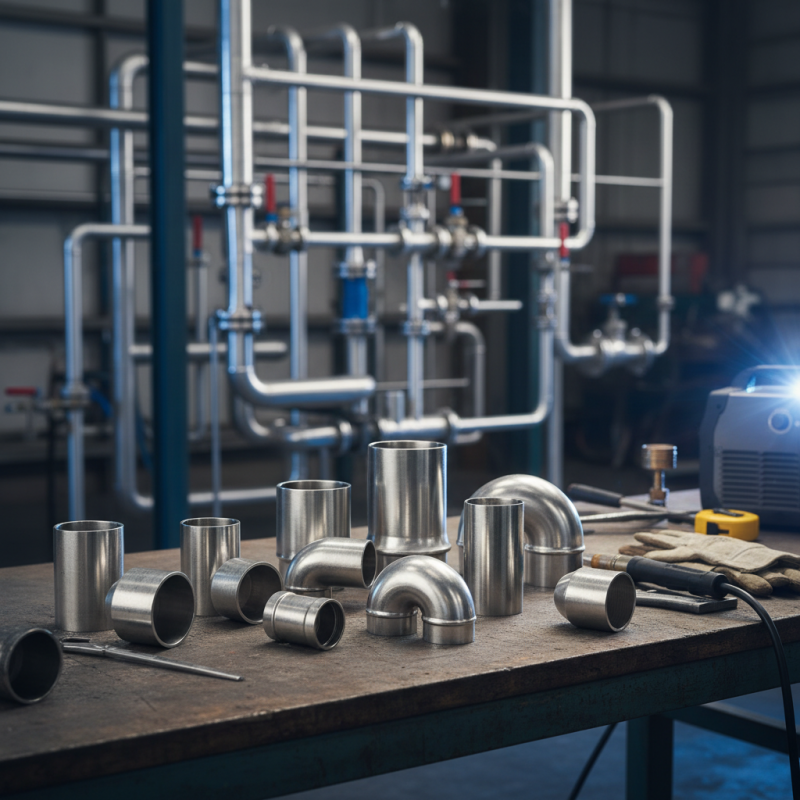
Understanding the types and definitions of stainless steel weld fittings is crucial for making informed choices in procurement and installation. Primarily, these fittings are categorized into several types: elbows, tees, reducers, and caps, among others. Elbows are utilized to change the direction of the pipe, typically available in 45 and 90-degree angles. Tees allow for branching off into different sections of the system, while reducers ensure a smooth transition between pipes of varying diameters. Each type serves a specific purpose, significantly influencing the efficiency and safety of the overall piping infrastructure. The selection of stainless steel grade, such as 304 or 316, also plays a vital role in determining corrosion resistance and durability, emphasizing the need for careful assessment based on the intended application and environmental conditions.
Top Stainless Steel Weld Fittings: Usage Types and Popularity
Key Properties of Stainless Steel for Weld Fitting Applications
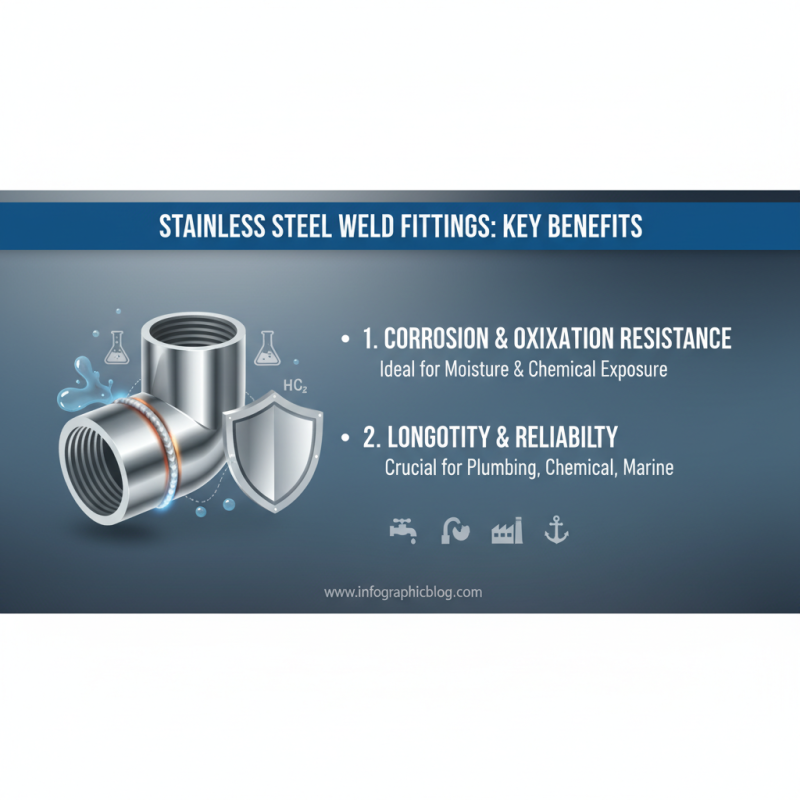
Stainless steel is widely recognized for its superior properties that make it an ideal choice for weld fitting applications. One of the key characteristics is its impressive resistance to corrosion and oxidation. This property is particularly advantageous in environments where fittings are exposed to moisture and various chemicals. The inherent ability of stainless steel to withstand such conditions ensures the longevity and reliability of weld fittings, crucial in industries like plumbing, chemical processing, and marine applications.
Another significant property of stainless steel is its strength and durability. The material possesses a high tensile strength, which means it can handle considerable stress without deforming. This feature is essential in situations where weld fittings must support heavy loads or endure high-pressure conditions. Moreover, stainless steel maintains its integrity even at elevated temperatures, making it suitable for high-temperature applications. Additionally, the versatility of stainless steel allows for various grades and compositions, enabling engineers to select the most appropriate type for specific applications, balancing factors like strength, ductility, and resistance to corrosive substances.
Factors to Consider When Purchasing Stainless Steel Weld Fittings
When purchasing stainless steel weld fittings, several crucial factors must be taken into consideration to ensure optimal performance and durability. One of the primary factors is the grade of stainless steel used. Grades like 304 and 316 are the most popular due to their excellent corrosion resistance properties. According to a report by the Stainless Steel Committee, grade 316 is particularly favored in marine and harsh environments due to its higher nickel and molybdenum content, making it more resistant to pitting and crevice corrosion. Choosing the right grade can significantly impact the longevity of the fittings in specific applications.
Another vital consideration is the size and type of the fittings required for your project. The diameter and pressure rating must align with the system specifications to prevent failures or leaks. The American Society for Testing and Materials (ASTM) provides guidelines on specifications for various fitting types, detailing aspects such as dimensions, tolerances, and mechanical properties. Furthermore, evaluating the manufacturing process, such as whether the fittings are forged or fabricated, can also affect their performance under stress. Ensuring that your chosen fittings adhere to industry standards such as ASTM A403 can help ensure reliability and safety in your installations.
Installation Tips for Stainless Steel Weld Fittings: Best Practices
When installing stainless steel weld fittings, proper preparation and technique are essential to ensure strong, reliable joints. Begin by cleaning the surfaces to be welded thoroughly, removing any contaminants such as oil, rust, or dust. This step is crucial as contaminants can weaken the weld and affect the integrity of the fitting. Use a wire brush or dedicated cleaning agents suitable for stainless steel. Following this, ensure that the fitting and pipe are properly aligned before welding, as misalignment can lead to stress and potential failure over time.
During the welding process, maintain a consistent heat input to avoid overheating the stainless steel, which can lead to warping or damage. It’s advisable to use the correct welding filler material compatible with the base material of the stainless steel. Also, consider the welding technique being used—TIG welding offers precision for thinner materials, while MIG welding is more suitable for thicker sections. After welding, allow the fittings to cool naturally to avoid introducing stresses, and inspect the joints for any signs of defects or irregularities. Proper post-weld treatment, including passivation, can enhance corrosion resistance and further ensure the longevity of the installation.
Maintaining and Inspecting Stainless Steel Weld Fittings for Longevity
Maintaining and inspecting stainless steel weld fittings is crucial for ensuring their longevity and reliability in various applications. Regular maintenance involves checking for signs of corrosion, cracks, or wear that could compromise the integrity of the fittings. Stainless steel, while resistant to rust and staining, is not entirely immune to these issues, especially in harsh environments. Utilizing a suitable cleaning solution and a non-abrasive cloth can help to remove any surface contaminants and prevent the formation of corrosion. By routinely cleaning and inspecting the fittings, users can identify potential problems before they escalate.
In addition to cleaning, regular inspections are vital for assessing the overall condition of stainless steel weld fittings. This includes examining the weld joints for any signs of failure, such as uneven surfaces or gaps. Visual inspections should be complemented by more detailed methods, such as ultrasonic testing or dye penetrant inspections, to detect subsurface flaws that are not immediately visible. Keeping a log of these inspections can help track any changes over time and inform timely maintenance decisions, ultimately extending the lifespan of the fittings and ensuring their optimal performance.