What is a Steel Flange and How is it Used?
In the world of industrial manufacturing, understanding the role of steel flanges is essential. Renowned expert, Dr. Emily Harper, states, “Steel flanges are the backbone of piping systems; they ensure safety and efficiency.” This highlights their importance in ensuring effective connections in various applications.
Steel flanges come in various types and sizes. Each type serves a specific function in maintaining structural integrity. Often made from carbon steel or stainless steel, they can withstand high pressure and temperature. Their reliability is crucial in industries like oil and gas, where safety is paramount.
The design of steel flanges allows for easy assembly and disassembly. This aspect is vital for maintenance and repairs, yet many overlook this feature. Understanding the different flange types can prevent costly mistakes. Despite their simplicity, using the wrong flange can lead to serious issues. The expertise in selecting the correct flange is crucial to project success.
Definition and Composition of Steel Flanges in Industrial Applications
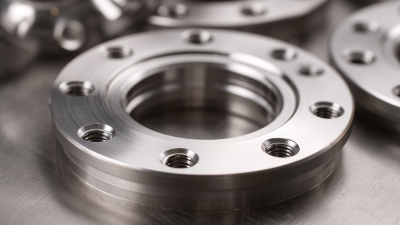
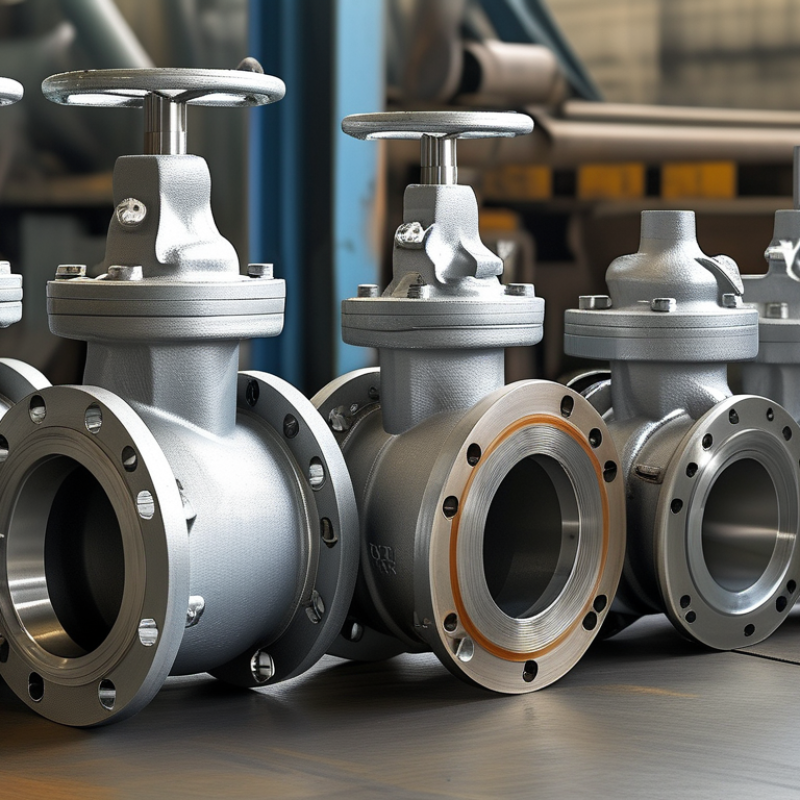
Steel flanges play a crucial role in industrial applications, particularly in piping and machinery. They serve as connectors between two sections of pipe or equipment, ensuring a secure and leak-proof joint. Steel flanges are predominantly made from carbon steel, stainless steel, and alloy steel. Their composition affects strength, corrosion resistance, and suitability for various environments.
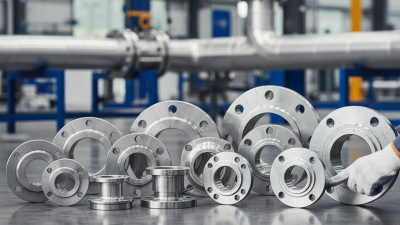
The manufacturing process of steel flanges involves forging or casting. Forged flanges tend to be stronger and more durable, while cast flanges offer complex shapes more easily. The thickness, size, and type of flange depend on the intended application. Common types include slip-on, weld-neck, and blind flanges, each serving specific functions. However, improper selection or installation can lead to failures, revealing the importance of proper engineering practices.
In practice, engineers must consider factors like pressure ratings and temperature. Miscalculating these can have serious consequences. Additionally, regular inspections are essential to assess the condition of flanges, as wear and tear can compromise integrity. While flanges are reliable, they require thoughtful consideration and maintenance to function correctly.
What is a Steel Flange and How is it Used? - Definition and Composition of Steel Flanges in Industrial Applications
| Flange Type |
Material Composition |
Applications |
Key Features |
| Weld Neck Flange |
Carbon Steel, Stainless Steel |
Pipelines, Pressure Vessels |
High strength, good fatigue resistance |
| Slip-on Flange |
Carbon Steel, Alloy Steel |
Low-pressure systems |
Cost-effective, easy to align |
| Blind Flange |
Stainless Steel, Bronze |
Closed-end pipelines |
Provides a seal, easy for maintenance |
| Socket Weld Flange |
Carbon Steel, Stainless Steel |
High-pressure applications |
Compact design, strong joints |
| Threaded Flange |
Carbon Steel, Alloy Steel |
Gas and water applications |
Easy installation, no welding required |
Types of Steel Flanges: Differences and Specific Applications
Steel flanges are essential components in mechanical and plumbing systems. These fittings connect pipes, valves, and other equipment. Different types of steel flanges serve various applications, each with unique characteristics. For instance, welding neck flanges are used in high-pressure systems. Their long neck allows for strong weld integrity.
Similarly, slip-on flanges offer ease of installation. However, they may not withstand extreme pressure as effectively as welding neck flanges. Blind flanges, on the other hand, are solid pieces that close the end of piping. They are crucial for blocking flow in systems during maintenance or modifications.
The choice of flange type significantly impacts performance. Using an inappropriate flange can lead to leaks or failures. It’s vital to consider the pressure rating and temperature range of the application. Each type has strengths and weaknesses. Understanding these nuances is crucial for reliable system operation. Proper selection can prevent costly errors later.
Manufacturing Processes of Steel Flanges: Standards and Specifications
Steel flanges are crucial components in piping and construction. Their manufacturing processes adhere to strict industry standards. These standards ensure quality and safety in various applications. Common specifications include ASTM, ANSI, and ASME, which dictate dimensions, tolerances, and materials used.
During production, individual techniques like forging and machining play a vital role. Forging enhances the strength of the flange, while machining achieves precise dimensions. It's essential to inspect each stage of production. This ensures that any defects are caught early to avoid waste.
Tips: Always verify the specifications to match your project needs. Quality control checks can save time and costs later on. Choose certified manufacturers to guarantee compliance with standards. If you're unsure about the processes or standards, seek expert advice. Engaging with professionals in the field can provide insights that enhance your understanding.
Steel Flanges Usage in Different Industries
Key Role of Steel Flanges in Pressure and Temperature Control Systems
Steel flanges play a vital role in pressure and temperature control systems. These components are essential for creating strong, leak-proof connections between pipes and equipment. Proper use of flanges ensures the safe transport of fluids under high pressure and temperature. When installed correctly, they help maintain system integrity.
In industrial settings, flanges must withstand extreme conditions. This often requires careful selection based on material and design. A poorly chosen flange can lead to failures, leaks, or even catastrophic events. Regular maintenance and inspections are crucial. Operators must be vigilant and proactive in identifying wear or corrosion. Failing to do so can have serious consequences.
Understanding the nuances of steel flanges is key for engineers and technicians. Their experience shapes how effectively they implement these components in various systems. Knowledge of specifications and standards is also essential. The complexity of pressures and temperatures means flanges must be reliable. Mistakes can be costly. It’s vital for professionals to continually learn and adapt to new technologies and methods in flange applications.
Industry Standards for Steel Flanges: ASTM and ANSI Insights
Steel flanges are crucial components in various industries. They provide a reliable method for connecting pipes, valves, and other equipment. Understanding the industry standards for these flanges is essential for ensuring quality and safety. Two significant standards are ASTM and ANSI, which set the benchmarks for materials and design.
ASTM standards focus on the specifications for steel flanges. They outline the acceptable materials, dimensions, and tolerances. This ensures that flanges can withstand high pressure and temperatures. For example, ASTM A105 is a common standard for carbon steel flanges. It is widely used in pipelines for its durability and strength.
ANSI standards, on the other hand, emphasize interoperability among different manufacturers. These standards most often specify dimensions and pressure ratings. They prevent mismatches in fittings and enhance system reliability. Flanges that meet both ASTM and ANSI criteria are more likely to perform effectively in demanding applications. However, not all manufacturers strictly adhere to these standards. This inconsistency can lead to operational risks. Regular inspections and adherence to industry standards are key to maintaining safety and efficiency in the field.