What is a Steel Flange and its Applications in Engineering?
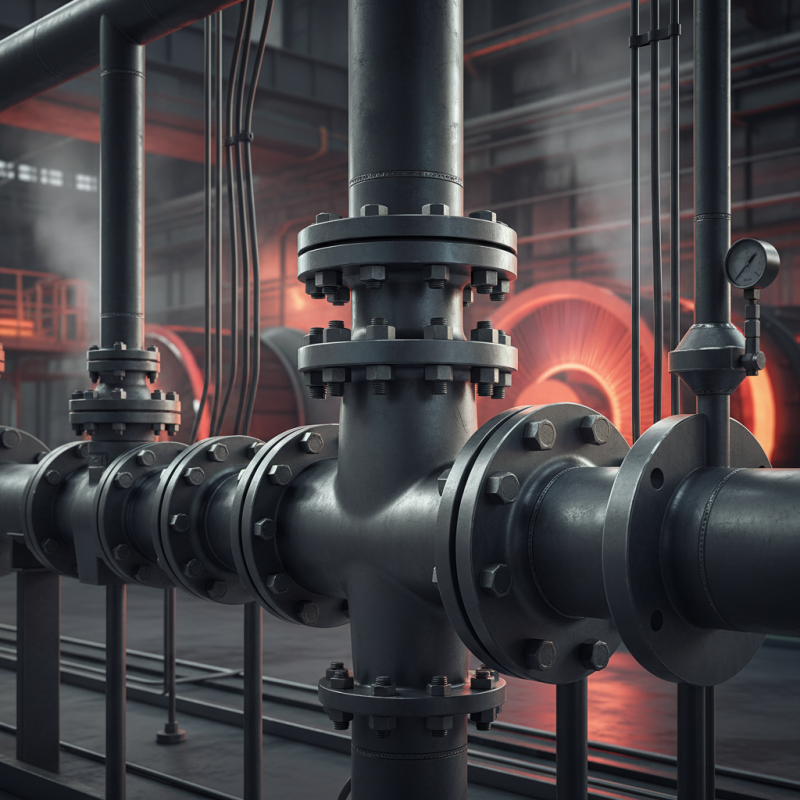
Steel flanges play a vital role in engineering and construction. These components provide a robust connection between pipes, valves, and other equipment. Their strength and durability make them essential in various industries. In power plants, for instance, steel flanges ensure secure piping systems. Each connection must withstand high pressure and temperature.
The design of steel flanges varies widely. Different shapes, such as slip-on, weld neck, and blind flanges cater to diverse applications. Each type serves a unique purpose, highlighting the versatility of steel flanges. However, selecting the right flange is not always straightforward. Engineers must consider factors like material, thickness, and pressure ratings.
Despite their importance, steel flanges are often overlooked. Many projects face delays due to inappropriate flange choices. It is crucial to conduct thorough assessments to avoid these issues. By understanding the characteristics of steel flanges, engineers can enhance project outcomes and build safer structures.
Definition and Characteristics of Steel Flanges
A steel flange is a critical component in engineering. It serves as a connection point between pipes, valves, and other equipment. Steel flanges ensure tight seals, which are essential for preventing leaks. They come in various shapes and sizes, allowing for different applications.
The characteristics of steel flanges include their strength and durability. They can withstand high pressure and temperature, making them suitable for various industries. These flanges are typically made from carbon steel, stainless steel, or alloy steel. Each material provides unique advantages. Carbon steel is cost-effective, while stainless steel resists corrosion.
When installing steel flanges, attention to detail is key. Make sure to clean the surfaces thoroughly before assembly. This helps achieve a better seal. Tightening bolts evenly is also crucial. It prevents uneven stress and potential failure.
Tips: Always follow manufacturer guidelines for torque specifications. Over-tightening can lead to flange deformation. Evaluate the operating environment to choose the right flange material best suited for your specific needs.
Types of Steel Flanges Used in Various Industries
Steel flanges play a critical role in various industries. They are essential for connecting pipes, valves, and other equipment. Many types exist, each designed for specific applications. Some common types include slip-on, blind, and weld neck flanges. Each type has unique characteristics that suit different needs.
Slip-on flanges are popular due to their ease of installation. They fit over the pipe, making alignment simpler. However, they might not provide the highest pressure resistance. Blind flanges, on the other hand, seal off the end of a pipe. They are crucial in systems requiring maintenance or inspection points. Weld neck flanges provide better strength and are often used in high-pressure applications. Each type has its pros and cons that engineers must consider.
Industries such as oil and gas frequently use steel flanges. They endure exposure to extreme conditions. In construction, flanges provide support for structural elements. Each application demands careful selection to ensure reliability and safety. Mistakes in choosing the right flange can lead to costly failures. Engineers need to reflect on past projects and improve their choices for future endeavors.
Manufacturing Process of Steel Flanges
The manufacturing process of steel flanges is crucial for their performance in engineering. Steel flanges come in various types, but their creation usually follows a similar path. Initially, high-quality steel is selected as the raw material. This steel is then heated to a specific temperature. The heating process helps in shaping the material more easily.
Once heated, the steel undergoes forging or machining. Forging involves pressing or hammering the steel into shape, while machining cuts the steel into precise dimensions. Both methods require skilled workers and finely tuned machinery. Each flange needs exact measurements to fit perfectly in assemblies.
Tips: Always check for surface flaws in flanges. A small defect can lead to significant issues later. Pay attention to the thickness and diameter; they must meet the required specifications.
The next step involves cleaning and finishing. This process removes contaminants and prepares the flange for use. Coating is often applied for corrosion resistance. Despite best practices, variations may occur. Therefore, rigorous quality control is essential to ensure reliability. Small errors can significantly impact performance.
Applications of Steel Flanges in Engineering Projects
Steel flanges play a crucial role in various engineering projects. They serve as connectors between pipes, valves, and other equipment. This connection ensures the integrity and safety of systems that transport liquids and gases. A well-designed flange can prevent leaks, which is essential in many industries.
In construction and manufacturing, flanges are often used in structural applications. They provide support and stability to beams and columns. For example, in a bridge, steel flanges can enhance load distribution. However, if incorrectly sized or installed, they may compromise structural integrity. This emphasizes the need for careful planning and execution.
Moreover, in the oil and gas sector, flanges are vital in pipeline systems. They are often subjected to extreme pressure and temperature. This environment demands high-quality materials and precise engineering. Yet, not all projects account for these factors. Skipping proper testing can lead to severe consequences. It's a reminder that attention to detail is essential in engineering.
Applications of Steel Flanges in Engineering Projects
Factors Influencing the Selection of Steel Flanges
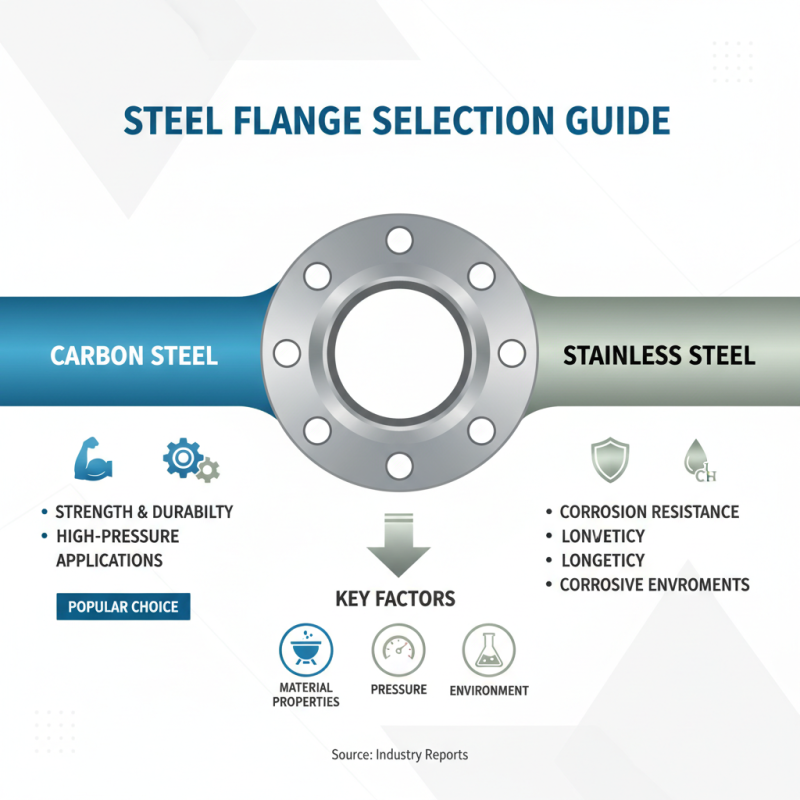
When selecting steel flanges, several factors play a crucial role. The material's properties directly influence the flange's performance. According to industry reports, carbon steel flanges are popular due to their strength and durability. These are suitable for high-pressure applications. However, in corrosive environments, stainless steel is preferred. It offers better resistance and longevity.
The flange size is another significant factor. Engineers must consider both the pipe diameter and the pressure rating. Standard sizes often make sourcing easier. Yet, custom sizes might be necessary for specific projects. Precision is critical. Any miscalculation in size can lead to leaks or failure. Furthermore, the type of connection is essential. Welded designs provide strong seals but are challenging to repair. Conversely, bolt-on flanges allow for easier maintenance.
Cost also plays a pivotal role. Budget constraints can limit options. However, investing in higher-quality materials often pays off in the long run. Frequent replacements due to failures can incur higher costs. Engineers must balance initial costs with potential future expenses. Making informed decisions is vital for project success.