Top 10 Check Valves Buyers Guide for Global Procurement
In today's industrial landscape, check valves play a crucial role in fluid and gas management systems. Their primary function is to allow flow in one direction while preventing backflow. This feature ensures efficiency and safety in various applications. As the global procurement market evolves, understanding the nuances of check valves becomes vital for buyers.
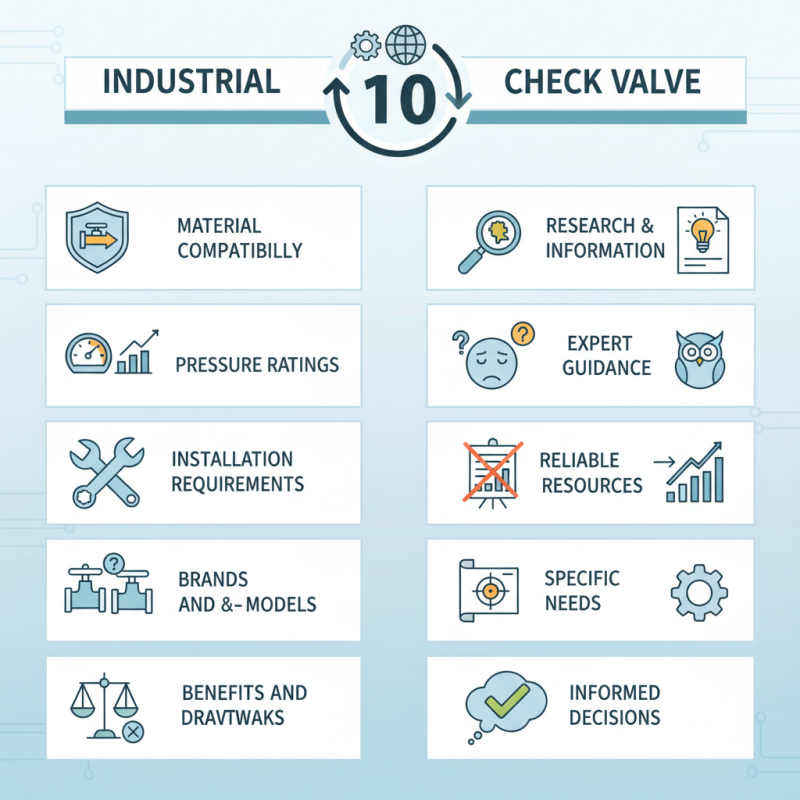
Choosing the right check valves involves assessing material compatibility, pressure ratings, and installation requirements. Buyers must navigate numerous brands and models. Each option has unique benefits and potential drawbacks. This decision-making process can be overwhelming, highlighting the importance of expert guidance.
While researching check valves, one might find conflicting information. Misleading data can lead to costly mistakes. Therefore, relying on authoritative resources is essential. This guide aims to provide insightful details and practical advice. It will help buyers make informed decisions for their specific needs in check valve procurement.
Understanding Check Valves: Types and Their Applications in Industry
Check valves play a crucial role in various industries by preventing backflow and ensuring the smooth operation of systems. They come in different types, including swing, lift, and diaphragm, each designed for specific applications. According to the Flow Control Magazine’s annual report, the global check valve market is expected to reach $6 billion by 2025, with a growth rate of 5.5% per year. This trend highlights the increasing demand for reliable fluid control solutions.
In the oil and gas sector, check valves are essential for maintaining safety and efficiency. They help manage pressure changes and prevent contamination. A study by the American Petroleum Institute indicates that improper valve selection can lead to significant operational failures, costing companies millions. Understanding the application of different valve types is critical for procurement specialists. Each valve type must be evaluated for durability, pressure rating, and flow characteristics.
Moreover, the manufacturing process of check valves presents challenges. Variability in materials and design can lead to inconsistencies. The Valve Manufacturers Association noted that quality control is vital in ensuring the reliability of these components. Buyers must remain vigilant and informed about suppliers’ certifications. The integration of advanced manufacturing techniques is necessary for enhancing valve performance and longevity.
Top 10 Check Valves Buyers Guide for Global Procurement
| Type of Check Valve |
Material |
Pressure Rating (psi) |
Temperature Range (°F) |
Applications |
| Swing Check Valve |
Cast Iron |
150 |
-20 to 150 |
Water, Oil, Gas |
| Lift Check Valve |
Stainless Steel |
300 |
-30 to 180 |
Water, Oil |
| Ball Check Valve |
PVC |
150 |
32 to 140 |
Chemical Processing |
| Dual Plate Check Valve |
Ductile Iron |
600 |
-20 to 200 |
Hydraulic Systems, Pipelines |
| Check Valve with Spring |
Brass |
150 |
-40 to 250 |
Marine Applications |
| Tilting Disc Check Valve |
Cast Steel |
1500 |
-20 to 300 |
Power Plants |
| Spring-Loaded Check Valve |
Carbon Steel |
2000 |
-20 to 400 |
Oil and Gas, Chemical |
| Piston Check Valve |
Stainless Steel |
1000 |
-10 to 220 |
Oilfield, Process Systems |
| Wafer Check Valve |
Plastic |
150 |
32 to 140 |
Water Treatment |
| Diaphragm Check Valve |
TPV |
75 |
-4 to 180 |
Food and Beverage |
Key Specifications to Consider When Purchasing Check Valves
When purchasing check valves, several key specifications can greatly influence the performance and reliability of the system. Understanding these specifications is critical. A recent report from the Global Flow Control Industry highlighted that nearly 30% of valve failures can be attributed to improper selection. This statistic emphasizes the importance of selecting valves based on their intended application and environment.
One vital specification to consider is the valve material. Common materials include stainless steel, brass, and PVC. The compatibility of materials with the fluid medium is essential. Corrosive substances can degrade certain materials, leading to premature failure. Additionally, the valve's pressure and temperature ratings are pivotal. According to research by the Valve Manufacturers Association, 40% of operational issues stem from exceeding these ratings. This reinforces the need for careful evaluation during procurement.
Another essential aspect involves the valve's flow direction and type. Swing check valves and lift check valves serve different purposes. The right choice can enhance efficiency and reduce energy consumption. Yet, many buyers overlook the specific service conditions, which can lead to costly mistakes. It’s prudent to consult technical experts and industry standards to avoid such pitfalls.
Global Market Trends: Demand and Growth Factors for Check Valves
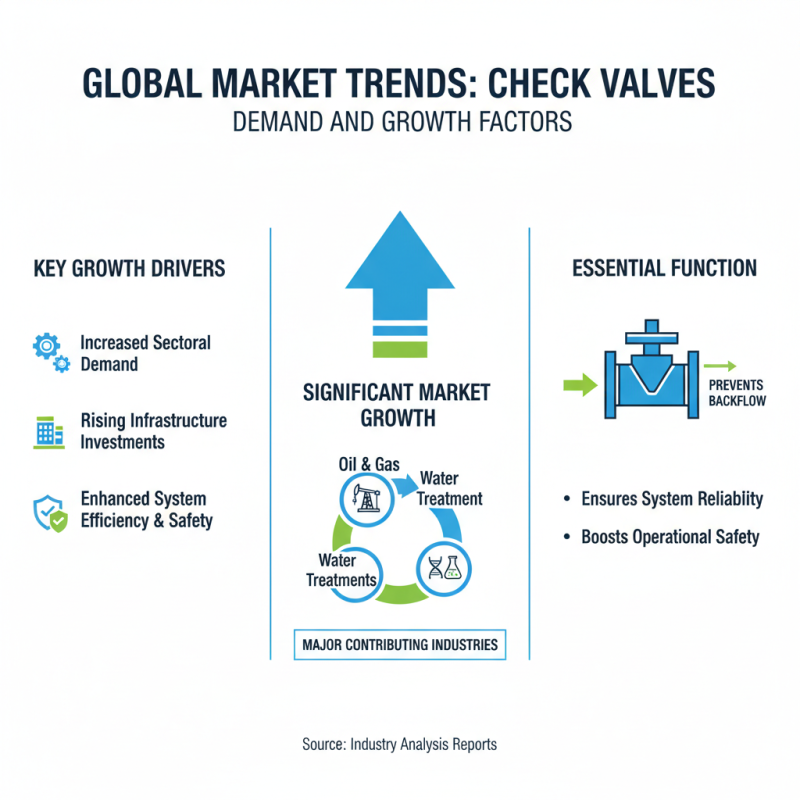
The check valve market is seeing significant growth driven by increased demand across various sectors. Industries such as oil and gas, water treatment, and pharmaceuticals are major contributors. Rising infrastructure investments globally are pushing the need for reliable flow control solutions. Check valves are essential in preventing backflow, ensuring system efficiency, and enhancing safety.
Key factors influencing demand include technological advancements and the shift toward automation. As companies streamline operations, the need for robust check valve systems rises. End-users are increasingly seeking valves that offer durability and minimal maintenance requirements. However, challenges remain, such as fluctuating raw material costs and supply chain disruptions. These issues necessitate continuous evaluation of supplier relationships and sourcing strategies.
Furthermore, environmental regulations are transforming industry practices. Companies must adapt to stricter standards while maintaining efficiency. This evolving landscape presents opportunities for innovation in check valve design and functionality. As manufacturers develop more eco-friendly solutions, their market presence becomes stronger. Nonetheless, staying competitive means monitoring trends and anticipating future shifts in demand.
Top Manufacturers and Suppliers of Check Valves in 2023
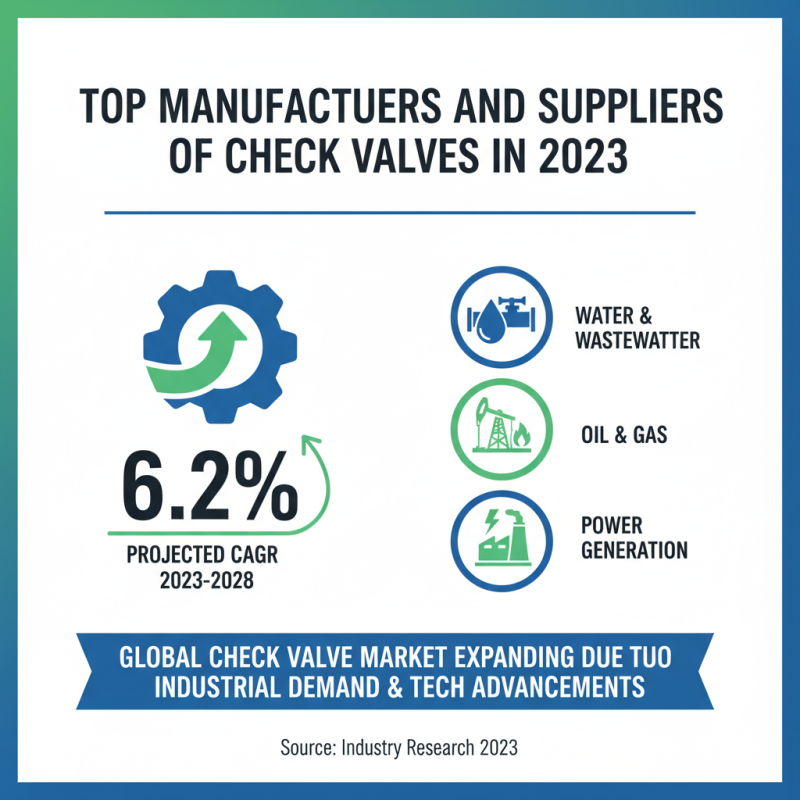
In 2023, the check valve market continues to expand, driven by industrial demands and advancements in technology. Research indicates that the global check valve market is projected to grow at a compound annual growth rate (CAGR) of around 6.2% from 2023 to 2028. This growth reflects a rising need for reliable solutions in sectors such as water and wastewater treatment, oil and gas, and power generation.
Key manufacturers are focusing on enhancing the durability and efficiency of check valves. Emerging technologies, like smart valve monitoring, are gaining attention. According to industry reports, these innovations reduce maintenance costs and downtime. However, companies often struggle to keep pace with technological advancements, which can lead to inefficiencies.
Tips: Always assess the specific requirements of your application before purchasing. Consider factors such as pressure, temperature, and medium type. Researching supplier histories can provide valuable insights into their reliability and product quality.
Throughout the industry, many small to medium-sized suppliers may lack comprehensive quality control. This can produce variations in product performance. As the market becomes more competitive, collaboration between manufacturers and users is crucial. A focus on long-term partnerships can ensure that both parties adapt to evolving market needs.
Cost Analysis: Budgeting for Check Valve Procurement in Various Sectors
When budgeting for check valve procurement, understanding costs across various sectors is crucial. Different industries have unique requirements that influence pricing. For instance, the oil and gas sector often demands high-performance materials due to environmental challenges. This can significantly raise costs. In contrast, the water treatment industry might focus more on standard materials, leading to lower expenses.
It's also important to consider the total cost of ownership. Initial purchase price is just one factor. Installation, maintenance, and operational efficiency play essential roles too. A cheaper valve might require frequent replacements or costly repairs. In some cases, it might be wise to invest more upfront for long-term reliability.
Budgeting mistakes can happen easily. Misjudging the lifespan of a valve can lead to overspending. Always evaluate suppliers. A reliable supplier often provides better value through service and support. This not only affects immediate costs but also long-term planning for maintenance and replacements.