Top 10 Fittings and Valves Buyers Need to Know?
The fittings and valves sector plays a critical role in various industries, including oil and gas, plumbing, and manufacturing. According to a report by MarketsandMarkets, the global fittings and valves market is expected to reach over $94 billion by 2027. This significant growth underlines the essential nature of these components within infrastructure.
Industry expert John Richards emphasizes the importance of selecting the right fittings and valves. He remarked, "Quality fittings and valves can mean the difference between efficiency and costly failures." This statement highlights the need for buyers to understand their options thoroughly. The right choices can enhance performance, while poor selections may lead to inefficiencies and increased costs.
With an array of products available, buyers often face challenges. Each fitting and valve type has specific applications and characteristics. A common mistake is choosing based solely on price rather than functionality and durability. This approach can result in frequent repairs and replacements. It is crucial for buyers to equip themselves with knowledge about the top fittings and valves available. Understanding these elements can foster more informed decisions in a rapidly evolving market.
Top 10 Types of Fittings in Industrial Applications: An Overview
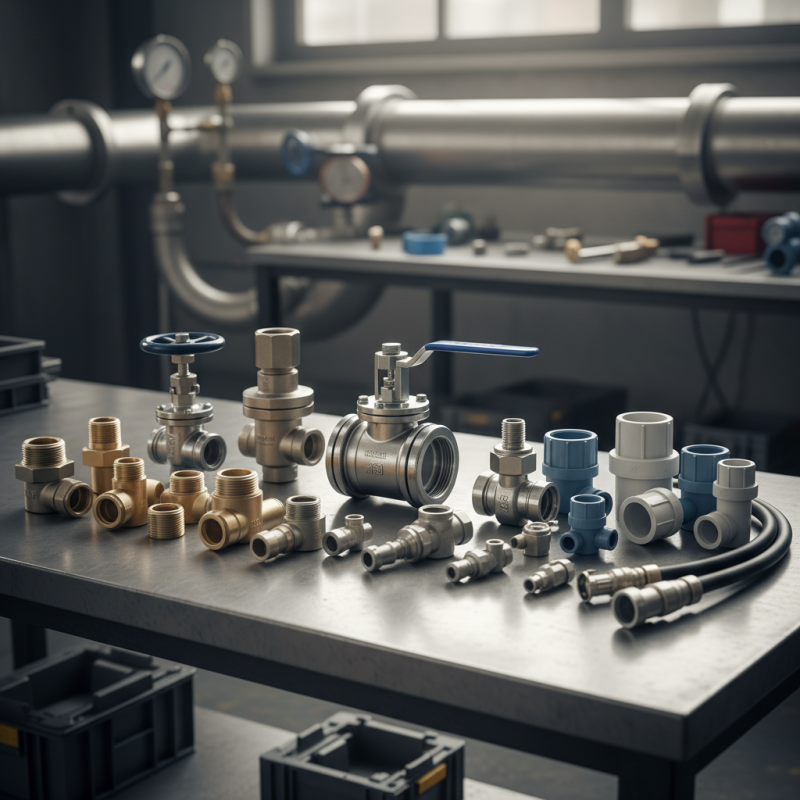
Fittings play a crucial role in industrial applications. Their primary function is to connect pipes, allowing for the transport of fluids and gases. Tees, elbows, and couplings are widely used in various industries. Each type serves a specific purpose. For instance, elbows change the direction of flow, while tees create branch lines.
Flanges are common in systems requiring tight seals. They offer secure connections, especially at high pressures. Ball valves are essential for controlling flow. They provide a quick shut-off option, making them vital for safety and efficiency. Compression fittings ensure leak-proof connections in tight spaces, making them perfect for small installations.
Choosing the right fittings can be challenging. The variety may overwhelm buyers. Each fitting type has merits and drawbacks. Quality can vary widely. Understanding each type's features is crucial for effective selection. It’s also essential to consider materials and compatibility. Investing in fittings that do not meet specifications can lead to costly repairs and downtime.
Top 10 Types of Fittings in Industrial Applications: An Overview
| Type of Fitting |
Material |
Common Applications |
Pressure Rating |
Temperature Range |
| Elbow |
Steel, PVC |
Pipelines, HVAC |
Up to 300 psi |
-40°F to 180°F |
| Tee |
Copper, Brass |
Water Supply, Gas Lines |
Up to 150 psi |
-20°F to 200°F |
| Reducer |
Steel, PVC |
Fluid Control |
Up to 250 psi |
-40°F to 200°F |
| Coupling |
Brass, Plastic |
Connecting Pipes |
Up to 200 psi |
-10°F to 150°F |
| Cap |
PVC, Steel |
Pipe Ends |
Up to 100 psi |
-40°F to 180°F |
| Valve |
Brass, PVC |
Regulating Flow |
Up to 300 psi |
-20°F to 250°F |
| Flange |
Steel, Cast Iron |
Connecting Systems |
Up to 600 psi |
-40°F to 200°F |
| Union |
Brass |
Ease of Disconnect |
Up to 150 psi |
-20°F to 200°F |
| Bushing |
Brass |
Pipe Size Reduction |
Up to 200 psi |
-10°F to 150°F |
| Socket |
PVC, CPVC |
Joining Pipes |
Up to 130 psi |
-40°F to 180°F |
Key Factors Influencing Valve Selection for Buyers
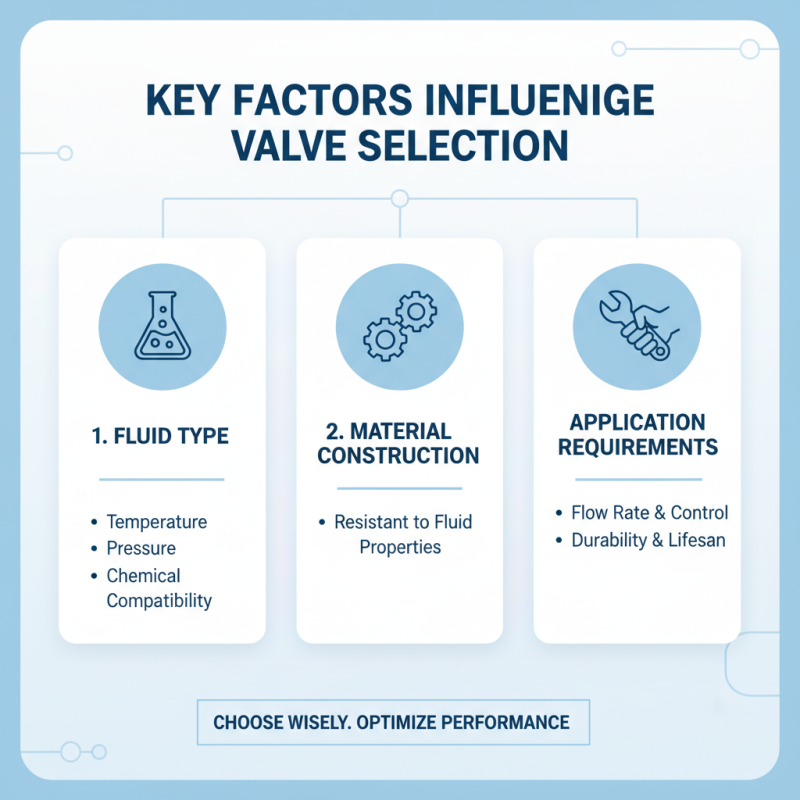
When selecting valves, buyers must consider several key factors. The type of fluid being handled is crucial. Different fluids have varying properties, including temperature, pressure, and chemical compatibility. This affects the material used in valve construction.
Another factor to consider is the valve's application. Valves serve different purposes, such as controlling flow, preventing backflow, or regulating pressure. Each function requires specific designs and features. Buyers should evaluate the operational requirements carefully.
**Tips:** Always consult with experts. They can offer insight into the best materials and designs for your needs. Do your research. Understanding different valve types and their capabilities can save time and money. Lastly, don't overlook maintenance. Some valves require more frequent servicing than others, which impacts long-term costs.
Pay attention to certification standards. Not all valves meet the same safety and quality levels. Trustworthy products can make a difference in performance and reliability. Your choice may reflect directly on system efficiency. Each decision shapes outcomes.
Understanding Pressure Ratings and Their Impact on Fittings Performance
Understanding pressure ratings is essential for anyone involved in fittings and valves. These ratings indicate the maximum pressure a fitting can handle safely. Incorrectly matched pressure ratings can lead to leaks or catastrophic failures. This can disrupt operations and result in significant financial losses.
When selecting fittings, consider the working environment. For instance, high-temperature conditions may require specialized materials. Not all fittings perform the same under pressure. Factors like temperature changes and fluid types can impact performance.
Some users often overlook the importance of regular inspections. Wear and tear can alter pressure ratings over time. Schedule routine checks to avoid unexpected failures. Even with high-quality fittings, diligence is key. Pressure ratings should guide your decisions but remember, real-world conditions may vary. A good understanding of these principles ensures reliability in your projects.
The Importance of Material Selection in Fittings and Valves
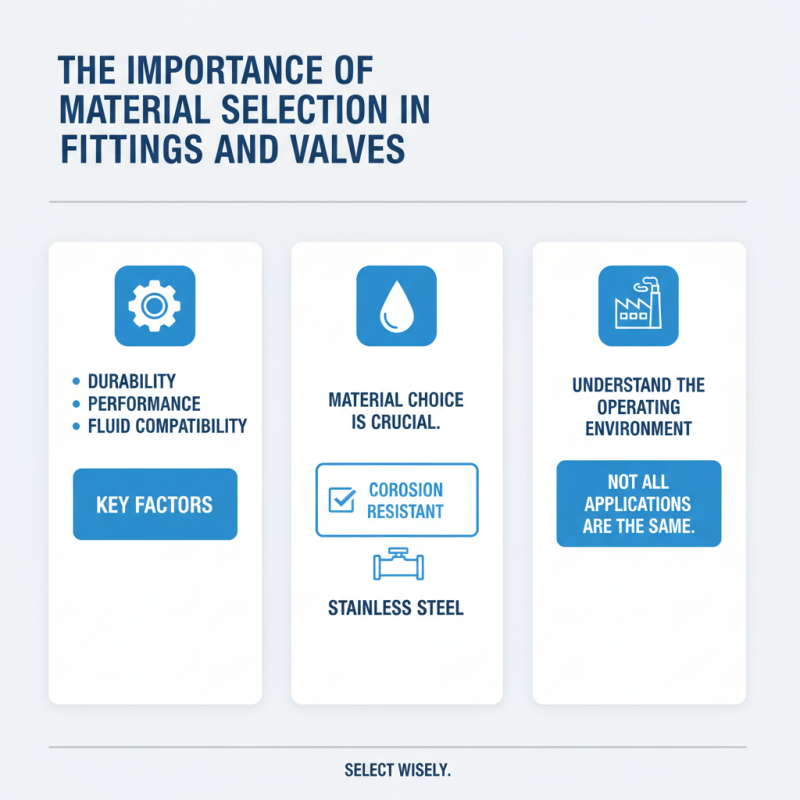
When selecting fittings and valves, material choice is crucial. The right material affects durability, performance, and compatibility with fluids. For example, stainless steel is commonly used for its resistance to corrosion. However, it may not be the best option for all applications. Understanding the environment in which the fittings will operate is vital.
Tips: Always assess fluid types and temperatures before making a decision. Some materials can weaken under extreme conditions. Plastic fittings might be cost-effective, but they often lack the strength of metal. Not every project requires the same material.
Moreover, different materials have unique advantages. Brass offers excellent machinability but may corrode under certain conditions. Regular maintenance and inspections can help mitigate some risks. This inconsistency can lead to failures. Being aware of these variables is essential for long-term reliability. Make informed choices to enhance overall system integrity.
Common Industry Standards and Certifications for Fittings and Valves
When it comes to fittings and valves, understanding industry standards is crucial. Various certifications guarantee quality and safety. These standards ensure that products meet essential performance requirements. For example, the American National Standards Institute (ANSI) oversees many critical standards. Likewise, the American Society for Testing and Materials (ASTM) sets testing procedures for materials used in fittings and valves.
Manufacturers often seek certifications like ISO 9001. This certification ensures quality management. It helps companies maintain consistent quality in their processes. Their products are usually more reliable. However, not all products are certified. Some smaller manufacturers might cut corners. This can lead to risky situations for buyers and users alike.
Another important standard is the Underwriters Laboratories (UL) mark. This mark indicates compliance with safety and performance criteria. Many end-users rely heavily on this certification. Yet, some may overlook the significance of proper installation and maintenance. Standards can only go so far. Real-world application demands attention too. Always consider how fittings and valves are used, and remember that scrutiny during these stages is vital for overall safety.
Top 10 Fittings and Valves Industry Standards and Certifications
This bar chart represents the most common industry standards and certifications relevant to fittings and valves. These certifications ensure product quality, safety, and compliance with industry regulations.