Quality Products
At a Fair Price
Wholesale Provider
Of Valves & Fittings
- HOME
- Products
- Ball Valves
- Bull Plugs & Swages
- Butterfly Valves
- Check Valves
- Cushion / Flow Tees & Bleed Rings
- Enhanced Oil Recovery
- Floating Ball Valves
- Foot Valves
- Forged Steel Fittings
- Forged Steel Outlets
- Gaskets-Insulation Kits
- Gate Valves
- Gate, Globe & Check Valves
- Malleable Fittings
- Needle Valves
- Nipples
- Piston Valves
- Plug Valves
- Stainless Steel Flanges, Fittings & Nipples
- Strainers
- Studs
- Trunnion
- Unions
- Weld Fittings & Flanges
- Manufacturers
- Advance
- American Block
- Anvil
- Balon
- Bonney Forge
- Champion
- Clayton Mark
- Crane
- Daniel
- DMIC
- GMI
- Galli & Cassina
- Hackney-Ladish
- JMC
- Lone Star
- MATCO
- Marpac-McCanna
- National Flange
- National Gasket
- Nordstrom
- Nutron
- PPI
- SHARPE
- SMI
- TEXSTEAM
- TEX-THREAD
- Titan
- USA Fastner
- Vogt
- Weld Bend
- Westbrook
- Wheatley
- Williams
- WKM
- Wolar
- Locations
- Contact
- Blog
- Careers
- Get a Quote
- HOME
- Products
- Ball Valves
- Bull Plugs & Swages
- Butterfly Valves
- Check Valves
- Cushion / Flow Tees & Bleed Rings
- Enhanced Oil Recovery
- Floating Ball Valves
- Foot Valves
- Forged Steel Fittings
- Forged Steel Outlets
- Gaskets-Insulation Kits
- Gate Valves
- Gate, Globe & Check Valves
- Malleable Fittings
- Needle Valves
- Nipples
- Piston Valves
- Plug Valves
- Stainless Steel Flanges, Fittings & Nipples
- Strainers
- Studs
- Trunnion
- Unions
- Weld Fittings & Flanges
- Manufacturers
- Advance
- American Block
- Anvil
- Balon
- Bonney Forge
- Champion
- Clayton Mark
- Crane
- Daniel
- DMIC
- GMI
- Galli & Cassina
- Hackney-Ladish
- JMC
- Lone Star
- MATCO
- Marpac-McCanna
- National Flange
- National Gasket
- Nordstrom
- Nutron
- PPI
- SHARPE
- SMI
- TEXSTEAM
- TEX-THREAD
- Titan
- USA Fastner
- Vogt
- Weld Bend
- Westbrook
- Wheatley
- Williams
- WKM
- Wolar
- Locations
- Contact
- About
- Careers
- Get a Quote
China Top Foot Valve Manufacturers and Suppliers?
Choosing reliable foot valves requires more than comparing prices or reading a supplier’s product list. These components regulate fluid entry, prevent reverse flow, and protect pumps from losing prime. In agricultural irrigation, a poorly fitted valve may draw sand into the pump. In water treatment, an unsuitable seal can weaken performance within months.
Dr. Robert L. Mott, a respected fluid-mechanics author, observed, “Good valve selection begins with the complete flow system, not the valve alone.” This principle remains practical when evaluating China’s foot valves manufacturers and suppliers. Buyers should examine valve materials, connection standards, pressure ratings, screen design, and testing procedures. Stainless steel, cast iron, reinforced plastic, and bronze each suit different operating conditions. No material wins every application.
Details matter.
A dependable supplier should explain flow capacity, installation position, maintenance access, and expected service life. Factory experience also matters, especially when manufacturers produce valves for wells, pipelines, irrigation networks, and industrial tanks. Certifications can support credibility, but certificates alone do not prove consistent production quality. Factory audits, sample testing, and clear technical documents provide stronger evidence.
This guide reviews leading Chinese foot valves manufacturers and suppliers through practical purchasing criteria. It considers product range, customization ability, quality control, export experience, and after-sales support. Some supplier claims may sound impressive but remain difficult to verify. That uncertainty deserves attention. A lower purchase price may become expensive after repeated clogging, leakage, or pump damage.
The goal is not to name one universal winner. It is to help buyers identify a suitable partner for their specific fluid system, budget, and operating environment.
What Is a Foot Valve and How Does It Work?
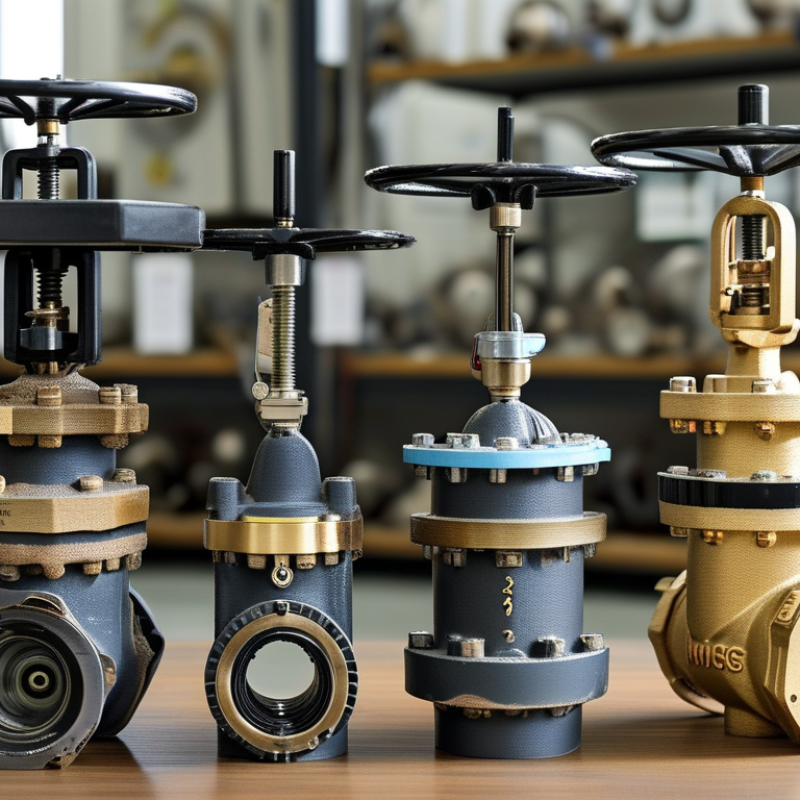
A foot valve is a one-way valve installed at the lower end of a pump suction pipe. It usually includes a strainer that blocks leaves, stones, and other debris. The valve allows liquid to enter the pipe, but stops it from flowing backward after the pump shuts down. This helps keep the suction line filled and preserves the pump’s prime.
When the pump starts, negative pressure lifts the internal disc or ball. Water then passes through the screened inlet. When the pump stops, gravity and reverse pressure push the sealing element closed. The result depends on a clean seal. Even a small piece of grit can cause leakage, air entry, or repeated priming problems. The valve must remain below the lowest expected liquid level.
Selection requires more than matching pipe size. Engineers check flow rate, liquid temperature, pressure, material compatibility, and strainer opening size. A narrow screen may protect the pump better, but it can also increase suction resistance. Installation matters too. Keep the valve vertical where possible, support the pipe, and avoid placing it directly in heavy sediment. Field inspections often reveal an overlooked issue: the valve was suitable, but maintenance access was poor. No component lasts forever. Regular cleaning and leak testing remain practical safeguards.
Main Types of Foot Valves Made in China
China’s foot valve manufacturers and suppliers produce several practical designs for water, irrigation, chemical, and industrial pumping systems. The main types differ by material, valve structure, and connection method. Choosing correctly requires more than comparing prices.
Plastic foot valves usually use PVC, PP, or reinforced materials. They are lightweight and resist many common chemicals. These valves suit clean water tanks, shallow wells, and agricultural lines. Brass foot valves offer better mechanical strength and stable sealing. They often serve domestic water systems and moderate-pressure pipelines. Stainless steel models handle corrosion, temperature changes, and demanding industrial conditions. Cast iron versions remain useful for larger pipelines, although they need proper surface protection.
Structure also affects performance. Spring-loaded foot valves close quickly and help reduce reverse flow after pump shutdown. Swing-type designs use a hinged disc and usually create lower resistance. Strainer-equipped models block leaves, gravel, and other debris before it reaches the pump. Screen openings must match the water quality. Small holes protect equipment better but may clog faster. Large holes reduce maintenance but allow more particles through. Small details matter.
When evaluating Chinese suppliers, request material certificates, pressure ratings, dimensional drawings, and leakage-test records. Check the spring, gasket, screen, and threaded or flanged connection separately. A polished catalog can still hide inconsistent machining. Sampling is wise. Test the valve under realistic flow, not only clean laboratory water. Some specifications may need revision after installation, especially where sediment levels change seasonally.
China Top Foot Valve Manufacturers and Suppliers? - Main Types of Foot Valves Made in China
| Foot Valve Type | Operating Principle | Common Materials | Typical Connection | Typical Size Range | Typical Pressure Class | Main Applications | Common China-Supplier Options |
|---|---|---|---|---|---|---|---|
| Swing Check Foot Valve | A hinged disc opens with upward flow and closes when the pump stops, helping maintain pump prime. | Cast iron, ductile iron, bronze, stainless steel | Flanged, threaded, or socket-welded | DN25–DN300; NPS 1–12 | Usually PN10–PN16 or Class 125–150 | Water wells, irrigation, drainage, centrifugal pump suction lines | Cast or ductile iron bodies, stainless-steel screens, bolted or threaded designs |
| Spring-Loaded Foot Valve | A spring forces the poppet or disc closed, providing faster shutoff than many swing designs. | Stainless steel, bronze, brass, PVC, polypropylene | Female threaded, flanged, or solvent socket | DN15–DN150; NPS ½–6 | Commonly PN10–PN16 or approximately 150 psi | Small pumps, chemical dosing, water treatment, compact suction systems | Metal or thermoplastic versions, with optional elastomer seats and corrosion-resistant springs |
| Flanged Foot Valve | A flanged check-valve assembly prevents reverse flow and usually includes an intake screen. | Cast iron, ductile iron, carbon steel, stainless steel | Raised-face, flat-face, or EN-pattern flanges | DN50–DN600; NPS 2–24 | PN10–PN25 or Class 125–300, depending on design | Municipal water, agricultural irrigation, industrial process water, fire-water systems | Customized flange drilling, screen mesh, coating, and seat materials are widely available |
| Threaded Foot Valve | A compact threaded check valve is installed directly at the lower end of a suction pipe. | Brass, bronze, stainless steel, cast iron, PVC | BSP, NPT, or ISO pipe threads | DN15–DN100; NPS ½–4 | Typically PN10–PN16 or 125–200 psi | Domestic water pumps, shallow wells, garden irrigation, light industrial service | Metric and imperial thread combinations, compact bodies, and removable screens |
| Y-Pattern Foot Valve | The angled internal passage supports a guided disc and can reduce flow resistance compared with some straight designs. | Ductile iron, carbon steel, stainless steel, bronze | Flanged or threaded | DN40–DN300; NPS 1½–12 | PN16–PN40 or Class 150–300 | Industrial pumping, filtration systems, cooling-water circulation | Machined seats, replaceable internal parts, and optional anti-corrosion coatings |
| Plastic Foot Valve | A lightweight thermoplastic body and check mechanism prevent backflow while resisting many chemicals. | PVC, CPVC, polypropylene, PVDF | Socket-welded, threaded, or flanged | DN15–DN150; NPS ½–6 | Often PN6–PN16; temperature and chemical compatibility apply | Chemical handling, aquaculture, water treatment, corrosive-fluid transfer | Thermoplastic construction, EPDM or FKM seals, and application-specific screens |
| Foot Valve with Strainer | Combines a non-return valve with a perforated or mesh intake screen to limit debris entering the pump. | Cast iron, stainless steel, bronze, brass, PVC | Threaded, flanged, or grooved depending on size | DN20–DN400; NPS ¾–16 | Commonly PN10–PN16 or Class 125–150 | Open tanks, wells, reservoirs, irrigation ponds, and raw-water intake lines | Screen aperture, mesh area, body coating, and connection dimensions can be specified |
Specifications shown are typical ranges for foot valves commonly offered by manufacturers and suppliers in China. Actual pressure ratings, dimensions, materials, standards, temperature limits, and inspection requirements should be confirmed against the supplier’s approved drawing and datasheet.
Key Materials, Sizes, and Performance Specifications
China Top Foot Valve Manufacturers and Suppliers?
A foot valve combines a check valve with a protective strainer at the pump suction line. Material selection affects service life, chemical resistance, and maintenance frequency. Stainless steel suits abrasive water, outdoor installations, and moderate corrosion exposure. Brass offers dependable mechanical strength in clean-water systems. PVC and polypropylene reduce weight and resist many chemicals, but temperature limits must be checked carefully. Material choice is not decoration.
Common sizes include DN15, DN20, DN25, DN40, DN50, and DN100. Threaded versions may use BSP or NPT connections, while larger models often use flanged ends. Confirm the actual pipe standard before ordering. A one-thread mismatch can stop installation. Strainer openings commonly range from 1 to 3 millimeters, depending on debris levels and required flow. Smaller openings protect pumps better but may clog sooner. Performance specifications should state maximum working pressure, operating temperature, flow capacity, and cracking pressure. Numbers need context.
When evaluating suppliers, request dimensional drawings, material certificates, and pressure-test records. A reliable manufacturer should identify sealing materials, spring construction, and screen thickness. Field inspections often reveal that weak screens fail before the valve body. This detail matters. Check whether the valve maintains a stable seal under low suction pressure, not only under laboratory conditions. Datasheets can look complete while omitting pressure loss at rated flow. That omission deserves attention. Select a size that supports the pump’s required flow without creating excessive suction resistance.
How China’s Top Foot Valve Manufacturers Produce and Test Them
China’s leading foot valve manufacturers begin with application details, not a standard drawing. They check fluid type, pipe size, operating pressure, temperature, and installation depth. Engineers then select materials such as stainless steel, brass, or reinforced engineering plastic. Each choice affects corrosion resistance, weight, and service life.
Production usually combines CNC machining, casting, deburring, and controlled assembly. Workers inspect thread accuracy with gauges and check the seating surface under magnification. The internal strainer must block debris without restricting flow too sharply. Seals are matched to the fluid and temperature range. Small errors matter here.
Testing is more than a visual inspection. Manufacturers apply hydrostatic pressure to detect body leakage and use reverse-flow tests to confirm valve closure. They also measure cracking pressure, flow stability, and suction performance. A batch may undergo repeated open-and-close cycles before release. Test records should identify the material lot, operator, date, and equipment used.
Some suppliers add salt-spray or temperature-cycle testing for demanding environments. However, a clean report does not guarantee perfect field performance. Installation angle, dirty water, and poor pipe support can still cause trouble. This is where experienced quality teams review failed samples instead of hiding them. Improvement is often built from an imperfect result.
How to Evaluate Chinese Foot Valve Suppliers and Choose One
China Top Foot Valve Manufacturers and Suppliers?
Choosing a Chinese foot valve supplier requires more than comparing unit prices. Market reports from Grand View Research and Fortune Business Insights estimate the global industrial valve market exceeded USD 75 billion in 2023, with continued mid-single-digit growth. This demand attracts capable factories and weak traders. Verify the actual producer. Request the factory address, production photos, business license, and recent inspection records.
A serious evaluation begins with technical fit. Share the fluid type, temperature, pressure, pipe size, flow rate, and installation depth. Ask for material certificates, cracking-pressure data, leakage results, and dimensional drawings. Stainless steel, brass, and engineered plastics behave differently in abrasive or corrosive water. Testing should reference suitable requirements, such as ISO 5208 or EN 12266-1, where applicable. A sample should be tested before a large order. It is a small cost. It can expose poor spring tension, rough threads, or a weak strainer.
Tips: Compare three suppliers using the same checklist. Confirm whether testing is performed in-house or outsourced. Check batch traceability and packaging details. The World Bank’s 2023 Logistics Performance Index ranked China 19th among 139 economies, but logistics strength does not prove product quality. I have seen polished catalogs hide inconsistent machining. Independent inspection remains sensible. Also review response speed, drawing accuracy, replacement policy, and payment terms. The cheapest quotation may become expensive after field failures.
Related Posts
-
Best Crane Valves for Optimal Performance and Durability?
-
2026 How to Choose Valves Fittings for Your Project?
-
What Are Weld Fittings? Exploring Their Types and Industry Applications with Key Data Insights
-
How to Choose the Right Foot Valves for Your Needs?
-
How to Choose the Right Stainless Steel Ball Valves for Your Application
-
How to Choose the Right Stainless Flanges for Your Project Needs