Top 10 Hydraulic Pile Driver Machines for Global Buyers?
The construction industry increasingly relies on advanced machinery, with the hydraulic pile driver machine taking center stage. According to recent market analysis, the global hydraulic pile driver market is poised to grow significantly, driven by rising infrastructure projects and urbanization. In 2021, the market value was estimated at approximately $1.5 billion and is expected to expand at a compound annual growth rate of around 6% through 2028.
Hydraulic pile driver machines are integral to efficient and precise foundation work. Their ability to handle various types of piles for coastal, urban, and industrial projects makes them indispensable. A 2022 survey indicated that 70% of construction professionals prefer hydraulic solutions over traditional methods due to their speed and reduced noise pollution. However, there remains a challenge in assessing the environmental impact of these machines.
In the quest for optimal solutions, buyers must consider multiple factors. This includes machine performance, durability, and maintenance needs. While many options are available, understanding the specific requirements of each project remains crucial. The choices made today can profoundly impact project efficiency and cost. Thus, we delve into the top 10 hydraulic pile driver machines available for global buyers, emphasizing their unique attributes and market relevance.
Overview of Hydraulic Pile Driver Machines and Their Significance
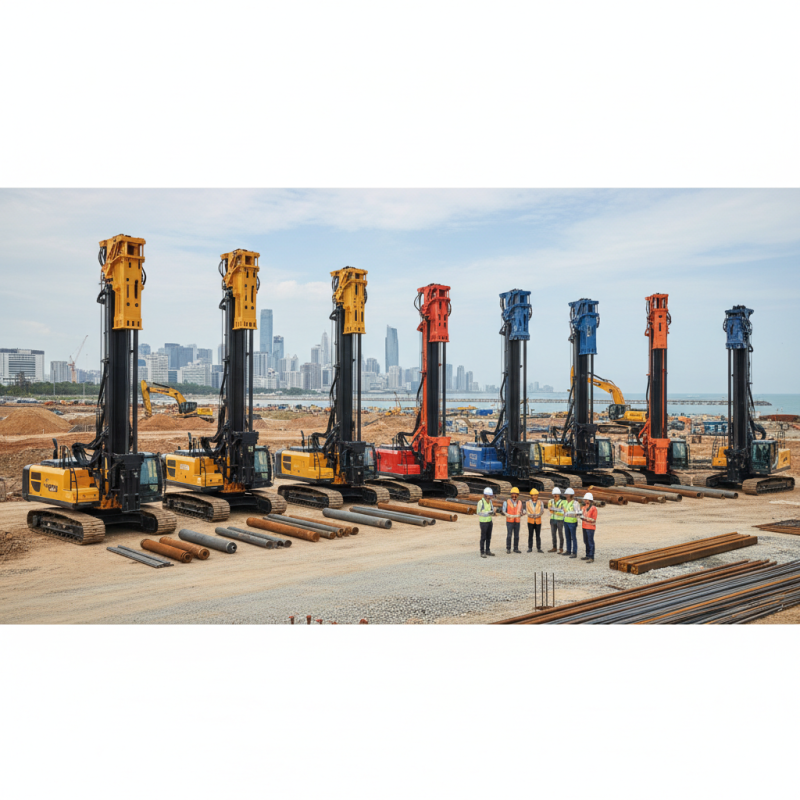
Hydraulic pile driver machines are essential in construction. They are used to drive piles into the ground, providing support for buildings and bridges. These machines utilize hydraulic pressure to deliver powerful blows, allowing for efficient piling. Their significance lies in the ability to handle various soil conditions, ensuring stability and safety in construction projects.
In challenging environments, proper selection of a hydraulic pile driver can make a difference. Factors like pile type, soil condition, and project scale must be considered. Even experienced operators sometimes face obstacles with ground conditions. Adjusting techniques and equipment settings can help in overcoming these challenges, yet mistakes can occur.
Integrating advanced technology, such as automated controls and real-time monitoring, enhances efficiency. However, reliance on technology may lead to oversight. Operators must remain vigilant and adapt to changing conditions. Continuous learning in the use of these machines is vital to improve outcomes. Understanding their mechanics and relevant safety protocols ensures reliable operation in varying scenarios.
Key Factors to Consider When Choosing Hydraulic Pile Drivers
Choosing the right hydraulic pile driver involves several key factors. One must consider machine weight and horsepower. Data from the International Society for Soil Mechanics indicates that pile drivers with higher weight can deliver better penetration, especially in dense soils. The average weight ranges between 20 to 50 tons for standard machines. This weight directly affects efficiency and speed, influencing overall project timelines.
Another consideration is the type of pile material. Steel and concrete piles have different requirements regarding driving techniques. A recent report from the Global Construction Databank highlighted that hydraulically driven piles are 30% more effective in challenging environments than their mechanical counterparts. Proper selection ensures that the machine handles specific job site conditions, leading to reduced maintenance issues. Ergonomics and operator safety can’t be overlooked either. Many operators prefer controls that allow for precise movements. Overlooking these factors can lead to inefficiencies and potential harm on site.
Lastly, energy consumption is crucial in today's market. The average hydraulic pile driver uses about 40 liters of fuel per hour, as noted by the National Construction Association. Efficiency in this area not only reduces costs but also minimizes environmental impact. Reflecting on these dynamics helps in making a sound choice, ensuring long-term value for the investment.
Top 10 Hydraulic Pile Driver Machines: Specifications and Features
Hydraulic pile drivers are essential for construction projects. They provide powerful means to install piles efficiently. The specifications and features of these machines vary widely, catering to different project needs. Most hydraulic pile drivers are equipped with varying capacity hammers. This allows them to drive piles into diverse soil conditions effectively.
Power and versatility are crucial features. Some machines handle larger piles, while others focus on compact sizes for restricted sites. Weight plays a significant role in performance. Heavier machines often penetrate deeper, yet they can limit mobility. It's important to assess the job site before making a choice. For example, working on urban projects may require a lighter model.
Maintenance and operator comfort are also vital. A user-friendly interface can increase productivity. Regular performance checks are necessary to prevent downtime. Machines with automatic monitoring systems alert operators about needed repairs. Imperfect functioning can lead to costly delays. Operators must understand machine capabilities fully. This knowledge ensures safe and efficient operations on all construction sites.
Comparison of Performance and Efficiency Among Leading Models
When evaluating hydraulic pile driver machines, performance and efficiency are key factors. Different models showcase varied capabilities in driving piles into different soil types. For instance, some machines excel in sandy or loose soils, while others perform better in rocky terrains.
Efficiency often depends on the power-to-weight ratio. A lighter machine can be quicker, but it may lack the driving force needed for denser soils. The speed of pile driving is also an important metric. In high-demand construction projects, time saved translates to cost efficiency. However, faster operations may sacrifice precision.
Several models offer advanced features like automatic pile alignment and real-time monitoring. These innovations enhance user control and operational safety. Yet, integrating complex technology can lead to potential malfunctions. Always consider maintenance needs, as expert service may be required. Choosing the right machine involves balancing speed, power, and reliability. Each model has strengths and weaknesses that need careful consideration.
Top 10 Hydraulic Pile Driver Machines Performance Comparison
Market Trends and Innovations in Hydraulic Pile Driving Technology
Recent advancements in hydraulic pile driving technology reflect a dynamic shift in construction practices. The industry is embracing innovations to enhance efficiency and reduce environmental impact. Newer models feature improved energy recovery systems, which enhance performance while minimizing fuel consumption. This not only lowers operational costs but also aligns with global sustainability goals.
Many machines now incorporate advanced monitoring systems. These technology-driven solutions provide real-time data on performance and safety metrics. Operators can gather insights into vibrations and soil interaction, facilitating better decision-making during projects. However, not all companies have embraced these technologies, leading to disparities in operational safety and efficiency.
Emerging market trends indicate a rising demand for automation in this sector. Semi-automated pile drivers are gaining traction, offering precise control. Yet, the transition to automated systems raises questions about reliability and operator skill sets. Industry professionals must balance innovation with the expertise required to manage these sophisticated machines. The focus on sustainable solutions presents both opportunities and challenges for today's hydraulic pile driving landscape.