Top Quality Holesaw Bits for Your Global Sourcing Needs?
In the world of construction and manufacturing, choosing the right tools is essential. Among these tools, the Holesaw Bit stands out for its versatility and effectiveness. These bits are crucial for creating precision holes in various materials, including wood, metal, and plastic. The demand for high-quality Holesaw Bits continues to rise as industries seek solutions that enhance productivity.
Understanding the importance of reliable tools is vital for businesses sourcing globally. A superior Holesaw Bit not only improves efficiency but also ensures safety on the job. Selecting the right supplier can be challenging. Factors like material quality, cutting performance, and durability must be considered. It’s easy to overlook these aspects in the rush to complete projects. However, investing time in researching and evaluating suppliers pays off in the long run.
Quality control plays a significant role in the manufacturing of Holesaw Bits. Poorly made bits can lead to project delays and increased costs. Industry professionals must remain vigilant about their choices. The right bit can make a difference in achieving desired results. Still, it requires constant reflection and adjustment to find the best sourcing solutions.
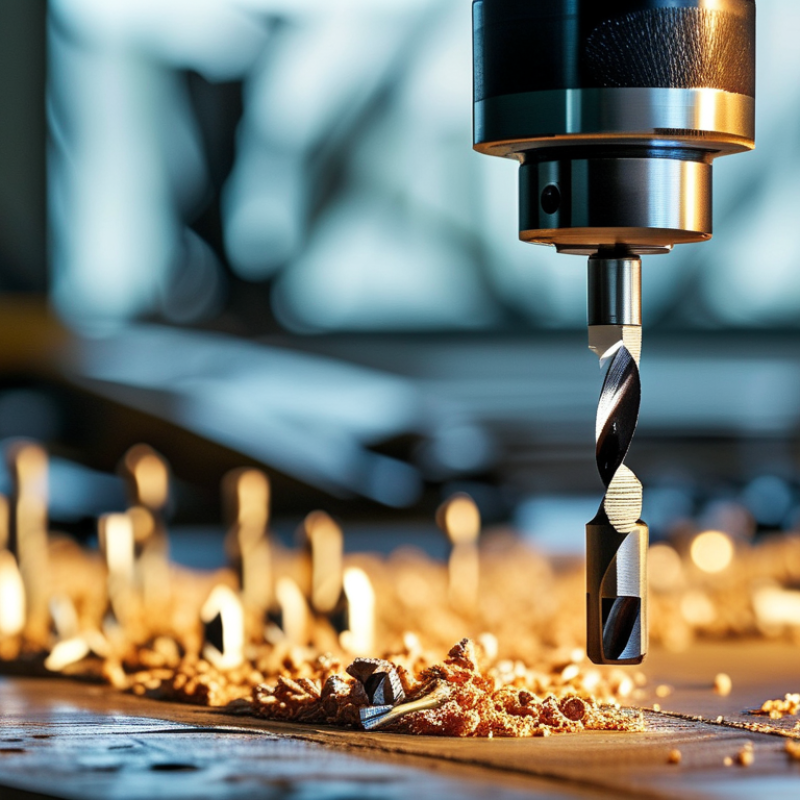
Overview of Holesaw Bits and Their Applications
Holesaw bits are essential tools used in various industries. They are designed to cut precise holes in different materials. Common applications include woodworking, metalworking, and construction. Their versatility makes them a favorite for professionals and DIY enthusiasts alike.
These bits come in various sizes and types, ranging from small diameters for delicate tasks to larger ones for robust projects. Different materials, such as bi-metal and carbide, enhance their cutting capabilities. Users often find themselves needing specific bits for unique tasks. It’s crucial to choose the right one for optimal performance.
However, not all holesaw bits are created equal. Users sometimes overlook quality, only to face challenges later. Some may corrode, while others may dull too quickly. Reflecting on these issues can lead to better choices for future projects. Understanding the specific needs can greatly enhance the effectiveness of your tools.
Key Features to Consider When Sourcing Holesaw Bits
When sourcing holesaw bits, several key features are crucial. The material used in their construction plays a significant role in performance and durability. High-speed steel and carbide-tipped options are popular due to their strength. They can cut through various materials efficiently. Make sure to consider the thickness of the bits too. Thicker bits tend to last longer but may require more power to use.
The size of the holesaw matters as well. Different projects may need specific diameters, so a versatile set is often preferred. Look for bits that can accommodate both large and small holes. Additionally, the teeth design influences cutting speed and precision. A variable tooth pitch can enhance cutting efficiency, especially in tougher materials.
Lastly, pay attention to the shank type. A secure fit prevents slippage during use. However, some users might overlook this aspect in their haste. Reassessing your choices in features can lead to better outcomes in your projects. Each sourcing decision impacts overall performance. Therefore, careful evaluation is essential for lasting quality.
Top Manufacturers of Holesaw Bits for Global Sourcing
When sourcing holesaw bits globally, understanding quality and manufacturing standards is crucial. Many countries specialize in specific types of tools. For instance, some regions excel in high-carbon steel bits, while others focus on tungsten carbide variants. Each type serves unique applications and materials, affecting longevity and effectiveness.
Moreover, evaluating manufacturers' production processes is essential. Some offer a blend of traditional craftsmanship and modern technology. This combination can enhance precision and durability. However, not all manufacturers maintain strict quality control, leading to inconsistencies. It's vital to verify supplier credentials and seek testimonials from past clients.
Importantly, consider the overall cost-effectiveness of sourced bits. Cheaper options might compromise quality, while premium products could be more durable in the long run. Reflecting on these trade-offs can help make informed, strategic decisions. Engaging with reputable suppliers ensures access to reliable tools that meet various needs. Balancing quality with affordability calls for thorough research and analysis.
Comparative Analysis of Material Types for Holesaw Bits
When selecting holesaw bits, material type is crucial. Different materials offer varying strengths. For instance, high-speed steel (HSS) is great for cutting metal and plastic. However, it may struggle with tougher materials like hardwood. Carbide-tipped bits are more versatile, but they come at a higher cost. Their durability often justifies the price when making repeated cuts.
Deciding on the right material can affect your project. If you are working with softer woods, a bi-metal holesaw may suffice. For tougher surfaces, you might need the extra toughness of carbide. Remember that using the wrong bit can lead to poor results. Analyze your project requirements beforehand to avoid costly mistakes.
Tips: Always keep replacement bits handy. They can wear down quickly, especially on tough materials. Also, consider your power tools. Some bits work best with specific drill types. Proper alignment is key to achieving clean cuts. When in doubt, reach out to experts. Their experience can guide you in selecting the best holesaw for your needs.
Best Practices for Choosing and Using Holesaw Bits
When it comes to choosing holesaw bits, understanding their construction and material is crucial for optimal performance. Industry reports indicate that high-speed steel (HSS) and bi-metal are among the most popular materials for durability and cutting efficiency. HSS, known for its strength, is effective for softer materials. Bi-metal bits, blending toughness and flexibility, excel in cutting harder materials. Professionals should pay attention to tooth design, as it affects the bit's cutting speed and lifespan.
Choosing the right hole size is another key aspect. The International Organization for Standardization (ISO) recommends evaluating project requirements before selection. Users often overlook the importance of reviewing bit specifications carefully. A well-informed choice can lead to fewer replacements and reduced material waste. However, some users still face challenges in adapting to different substrates, leading to inconsistent results. Regular maintenance and proper usage techniques also play a major role in the longevity of holesaw bits. Cleaning bits after use and ensuring the correct cutting speed can significantly extend their life.
Lastly, understanding the limitations of your tools is vital. Even with proper care, bits can wear down over time. Many professionals underestimate how quickly this can happen, affecting project timelines. Monitoring wear and replacing bits as needed are necessary practices. Investing time in understanding these best practices ensures successful and efficient material cutting, ultimately improving project outcomes.
Top Quality Holesaw Bits Performance Comparison