Top 5 Sodium-Ion Battery Technology Trends You Need to Know?
The emergence of Sodium-Ion Battery Technology marks a significant shift in energy storage innovations. As industries transition towards sustainable energy solutions, sodium-ion batteries present a compelling alternative to traditional lithium-ion technologies. Their potential for lower costs and abundant raw materials makes them a focal point for research and development.
Recent advancements have focused on enhancing energy density and cycle life. These improvements indicate a growing expertise in this field. However, questions still linger regarding scalability and real-world applications. The reliability of sodium-ion technology in various environmental conditions remains a topic for ongoing inquiry.
As we delve into the top trends surrounding Sodium-Ion Battery Technology, it’s essential to recognize both the achievements and the challenges that lie ahead. Understanding these developments will provide insights into its future role in energy storage systems. The journey of sodium-ion technology reminds us that while progress is evident, continued exploration is necessary.
Emerging Applications of Sodium-Ion Batteries in Modern Technology
Sodium-ion batteries (SIBs) are gaining traction in various applications. Their potential to replace lithium-ion batteries in several sectors is notable. This is largely due to the abundance and low cost of sodium. As environmental concerns rise, SIBs offer a greener alternative to traditional energy storage solutions.
In electric vehicles, sodium-ion batteries are becoming an eco-friendly choice. They provide similar energy density and performance, albeit with some trade-offs. However, challenges like lower cycle life and energy efficiency remain. These issues need further exploration and research.
Tips: Always consider energy density and environmental impact when choosing a battery. Test different types to identify the best fit for your needs.
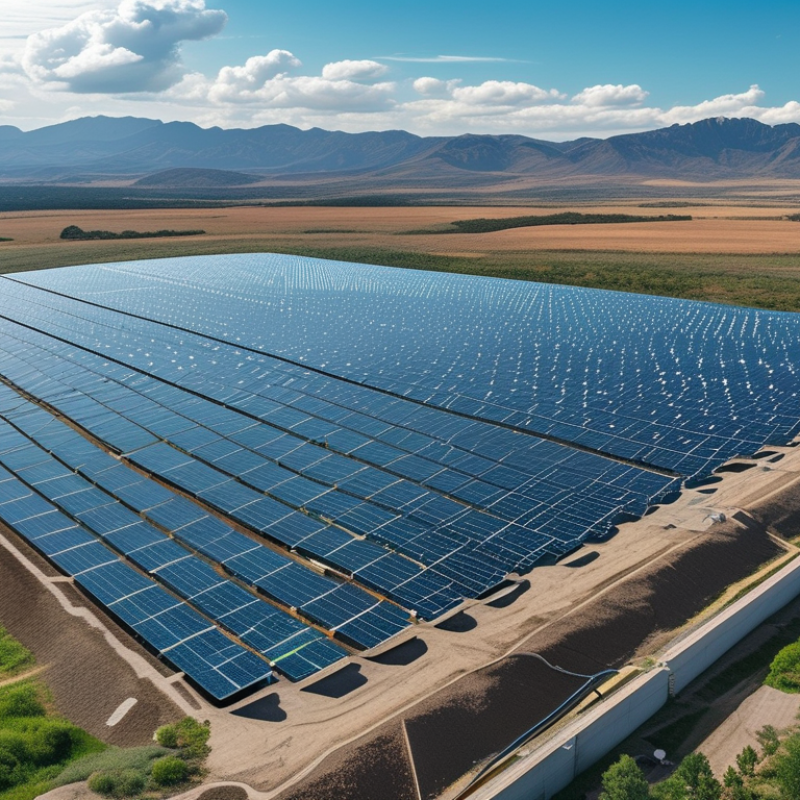
In the realm of renewable energy, sodium-ion technology is promising. It can support solar and wind energy systems. Storing energy generated during peak production times is essential. SIBs can help bridge the gap when energy demand rises.
Tips: Look into the integration of sodium-ion batteries with renewable sources. Explore real-world applications and share your findings.
Top 5 Sodium-Ion Battery Technology Trends You Need to Know
| Trend | Description | Emerging Applications | Advantages |
| Higher Energy Density | Advancements in materials are leading to increased energy density in sodium-ion batteries. | Electric vehicles and portable electronics. | Longer usage time and better performance. |
| Cost-Effective Production | Sodium is more abundant than lithium, reducing overall production costs. | Smart grids and renewable energy storage. | Lower costs leading to wider adoption. |
| Rapid Charging Capabilities | New electrolyte formulations enable faster charging times. | Urban mobility solutions and emergency power backup systems. | Improved convenience and reduced downtime. |
| Sustainability Focus | Emphasis on environmentally friendly materials in battery production. | Energy storage solutions for clean energy systems. | Reduced environmental impact and improved energy cycle efficiency. |
| Enhanced Safety Features | Developments in battery chemistry to minimize risks associated with overheating. | Consumer electronics and large-scale power storage. | Safer products with reliable performance. |
Advancements in Sodium-Ion Battery Efficiency and Performance
Sodium-ion batteries are gaining traction due to their potential efficiency improvements. Recent studies reveal that sodium-ion batteries can achieve energy densities of up to 150 Wh/kg. This figure signifies a noteworthy leap from earlier models, which averaged around 80-100 Wh/kg. Researchers emphasize the importance of enhancing the electrodes used in these batteries. New materials and compositions can greatly influence their performance.
One significant trend is the focus on coefficient enhancement. The coefficient of performance has seen improvements of over 20% in lab conditions, a promising statistic. Such enhancements could make sodium-ion batteries more competitive with traditional lithium-ion batteries. Additionally, their ability to function effectively at lower temperatures is a game changer. Many developers are now focusing on how to extend battery life and reduce cycle degradation.
**Tip:** When considering storage options, pay attention to these advancements in performance metrics.
While the sodium-ion landscape is evolving, challenges remain. The current production costs are still higher compared to lithium options. Market experts suggest that, to overcome this, scaling manufacturing processes will be key. Further research is imperative to make these batteries more mainstream.
**Tip:** Stay informed about ongoing research and its implications for energy sustainability.
Environmental Impact and Sustainability of Sodium-Ion Battery Production
Sodium-ion batteries present a promising alternative to traditional lithium-ion systems. Their production process raises significant environmental concerns. Sourcing sodium from seawater seems ideal. However, extraction and purification can be energy-intensive and wasteful. Sustainable practices are crucial to mitigate these impacts.
The sustainability of sodium-ion batteries is multifaceted. Unlike lithium, sodium is abundant and widely available. This reduces the ecological footprint of raw material extraction. Yet, manufacturers must address the carbon emissions incurred during battery production. Recycling technologies for sodium-ion batteries are still in development. Effective recycling initiatives can help lessen environmental damage.
Innovative approaches in battery lifecycle management are necessary. Research in eco-friendly materials is advancing. Companies and researchers must focus on sustainable sourcing and low-impact production methods. Transparency in the supply chain is vital for building consumer trust. Ongoing collaboration between scientists and policymakers can propel sustainable practices forward.
Comparison of Sodium-Ion Batteries to Lithium-Ion Alternatives
Sodium-ion batteries are gaining attention as a viable alternative to lithium-ion technology. One major comparison point is the raw material availability. Sodium is abundant and widely accessible, whereas lithium is more limited. This factor alone makes sodium-ion a compelling option for reducing supply chain risks.
Performance is another critical aspect. Sodium-ion batteries often have lower energy density than their lithium counterparts. This affects their range and efficiency in larger applications. However, advancements are being made. Researchers are focusing on materials that enhance performance.
Tips: Consider application needs before choosing a battery type. Analyzing specific requirements will lead to better decision-making.
Cost-effectiveness is also a deciding factor. Sodium-ion batteries may come at a lower production cost compared to lithium-ion batteries. This affordability could lead to broader adoption.
When evaluating these technologies, take note of trade-offs. Performance versus cost and material availability should align with your goals. Understand that research is ongoing. The technology is still maturing, which means improvements are likely.
Current Challenges and Future Prospects for Sodium-Ion Battery Development
The development of sodium-ion batteries faces notable challenges. One primary issue is their lower energy density compared to conventional lithium-ion counterparts. Currently, sodium-ion batteries have an energy density of around 150 Wh/kg, while lithium-ion batteries are achieving densities over 250 Wh/kg. This gap raises concerns about their suitability for high-performance applications, such as electric vehicles.
Another challenge lies in the availability of raw materials. Sodium is abundant and inexpensive, but sodium-ion battery technology often struggles with performance. For instance, the anode materials, such as hard carbon, may not deliver optimal capacity or cycle life. Projections indicate that enhancing these materials can improve battery life by 30%. Researchers must explore innovative solutions to address these limitations.
Looking forward, advancements in electrode materials and electrolytes are key. Companies anticipate breakthroughs in solid-state sodium-ion batteries in the next few years. Such innovations can enhance safety and energy performance. The market research report from XYZ Research suggests that the sodium-ion battery market could grow at a CAGR of over 20% by 2028. Yet, meeting the performance expectations remains a significant challenge as the technology evolves.