Top Tips for Choosing the Best Roto Tiller for Your Garden?
Choosing the right Roto Tiller can make a significant difference in your gardening success. In a recent industry report, nearly 70% of gardeners noted that a quality tiller improved soil health and crop yield. With various options available, it’s essential to understand how to select the best one for your needs.
Roto Tillers come in different sizes and styles, affecting efficiency and ease of use. A study revealed that users favor tillers with adjustable tines, as they allow for more versatility in various soil types. Many gardeners reported frustration with inadequate tilling due to improper equipment choices. This shows that being informed is crucial for optimal results.
Investing in a reliable Roto Tiller is vital. It not only impacts productivity but also enhances your overall gardening experience. With the right information at hand, you can avoid common pitfalls and make a choice that suits your gardening style and soil conditions.
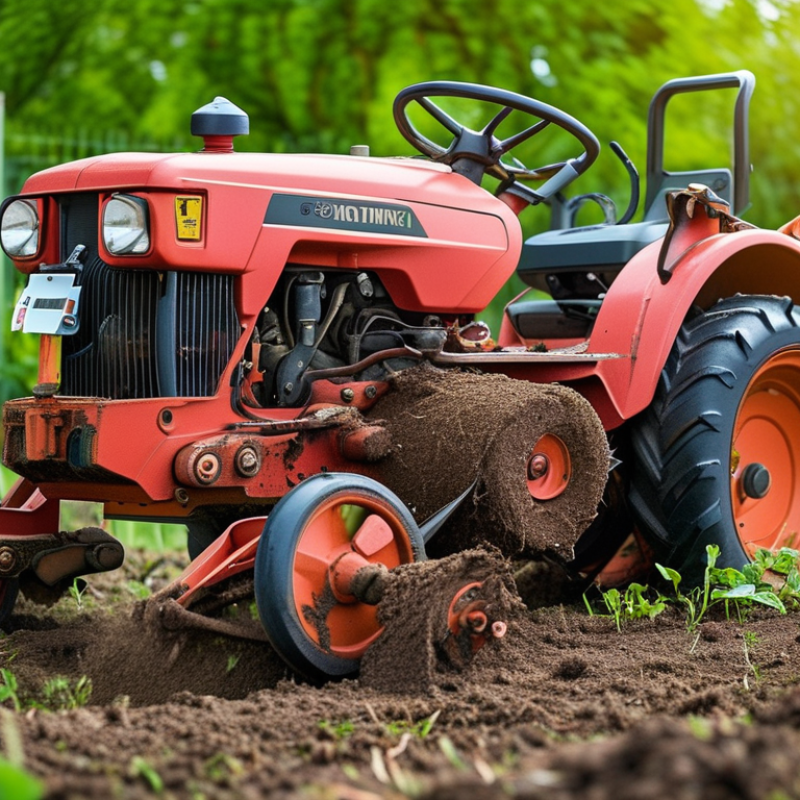
Understanding Roto Tillers: Types and Their Functions
When selecting a roto tiller, understanding its types and functions is crucial. Roto tillers generally fall into three categories: front-tine, rear-tine, and mini tillers. Front-tine tillers have tines located at the front, making them lighter and easier to maneuver. They are great for small gardens but can struggle with tougher soil. Rear-tine tillers, as their name suggests, feature tines at the back. This design provides better balance and can handle larger areas and firmer soils efficiently. Mini tillers are compact versions suited for small spaces. They are easy to store but come with limitations in terms of power.
Each type serves distinct garden needs. It's essential to evaluate your garden size, soil type, and personal strength. A smaller gardener may find a front-tine tiller easier to handle, while larger gardens might require a rear-tine option for efficiency. Not every tiller is perfect for every job. Sometimes, the heavier models can be unwieldy. Their weight can compromise control, especially on uneven terrain. Noticing how each type performs in real conditions is valuable. Some users find that their initial choice doesn't suit their gardening style. Taking the time to test different models can greatly improve your tilling experience.
Key Factors to Consider When Selecting a Roto Tiller
Choosing the right roto tiller requires careful consideration of several key factors. Your garden size influences the type of tiller you need. For small gardens, a lightweight, electric tiller may suffice. However, larger plots may require a more powerful gas tiller. Data from industry reports indicate that about 60% of gardeners prefer gas models for their versatility and power, especially in tougher soil conditions.
Another important aspect is the tilling depth. Most tillers can achieve depths ranging from 5 to 10 inches. If you plan to grow deep-rooted plants, consider a model that offers greater depth. Additionally, the width of the tilling path affects how quickly you can cover your garden. Wider tines can save time but may be harder to control in tighter spaces.
Consider ease of use and maintenance. Ergonomically designed handles can improve comfort, especially for prolonged use. Some tillers feature automatic clutch systems, making them easier to manage. Regular maintenance is essential for longevity—tools that are hard to maintain might lead to unnecessary frustration. Reflect on your gardening habits and needs to choose a tiller that enhances your gardening experience.
Top Tips for Choosing the Best Roto Tiller for Your Garden
Evaluating Engine Power and Tilling Width for Your Needs
When evaluating engine power for a roto tiller, you should consider the size of your garden. A model with 5 to 6 horsepower is typically sufficient for small to medium gardens. According to industry reports, this power range allows for effective tilling without overwhelming the user. Larger plots may require more robust engines, up to 10 horsepower, which can handle tougher soil conditions. The choice of engine greatly affects performance and ease of use.
Tilling width is another crucial factor. Most roto tillers range from 12 to 24 inches in width. A narrower tilling width, around 12 to 16 inches, is ideal for tight spaces or flower beds. Wider models, between 20 to 24 inches, are more efficient for larger areas but can be more challenging to maneuver. Industry data suggests that tilling depth should also be assessed; a depth of 5 to 8 inches is typical for most gardens. Evaluating these specifications will help ensure you select a roto tiller that meets your gardening needs effectively.
Top Tips for Choosing the Best Roto Tiller for Your Garden
| Engine Power (CC) | Tilling Width (inches) | Weight (lbs) | Ideal for Garden Size (sq ft) | Price Range ($) |
| 150 | 16 | 70 | 500 | 300 - 500 |
| 200 | 18 | 85 | 800 | 400 - 700 |
| 250 | 20 | 95 | 1200 | 600 - 900 |
| 300 | 22 | 110 | 1500 | 800 - 1200 |
| 400 | 24 | 130 | 2000 | 1000 - 1500 |
Assessing Features: Depth Control, Wheels, and Maneuverability
When selecting a roto tiller for your garden, features like depth control, wheels, and maneuverability are crucial. Depth control allows you to determine how deep the tilling goes, significantly impacting soil aeration and nutrient access. Some users may find difficulty adjusting this feature, especially if the mechanism is complex. Opt for a model with intuitive depth settings for ease of use.
Wheels play a significant role in maneuverability. Larger wheels generally make it easier to navigate uneven terrain. A tiller with small wheels can become a challenge when moving through soft soil or over rocks. Consider how the size of the wheels will affect your garden's layout. You might find yourself struggling to cover all areas efficiently with less versatile models.
Maneuverability is essential for reaching tight spaces or managing curved garden beds. A lightweight design can improve handling dramatically, but it may sacrifice power. Each gardener has unique needs, so reflect on your garden size and layout. A balance between power and control will likely lead to better results, though you might face tough choices between different features.
Budget Considerations: Finding the Right Roto Tiller for Your Garden
When selecting a roto tiller, budget considerations play a crucial role. Establish a clear budget before beginning your search. This helps narrow down choices and prevents impulse buys. Quality tools often come with higher price tags, yet that doesn't always guarantee superior performance. It’s vital to assess what features are essential for your gardening needs. Sometimes, a basic model will suffice.
Consider the long-term benefits of an investment. Cheaper tillers may require frequent repairs or replacements. This can add to your overall costs. Look for tillers that offer good warranties and customer support. Research reviews from other gardeners. Their experiences can reveal patterns in reliability. A clear understanding of your garden size is important as well. Larger areas may need more powerful models, while smaller spaces can be managed with compact options.
Reflect on your gardening habits. If you till occasionally, a mid-range model could be enough. Frequent use might justify a more expensive tiller. Always weigh the cost against your gardening goals. Finding balance between price and functionality is key to making a satisfying choice.