The Ultimate Guide to Understanding Steel Flanges: Types, Uses, and Industry Insights
As industries continue to evolve, the significance of steel flanges has become increasingly paramount in constructing pipelines, machinery, and various pressure systems. According to a recent market analysis by XYZ Research, the global flange market is projected to reach $12 billion by 2025, driven largely by the booming oil and gas sector.
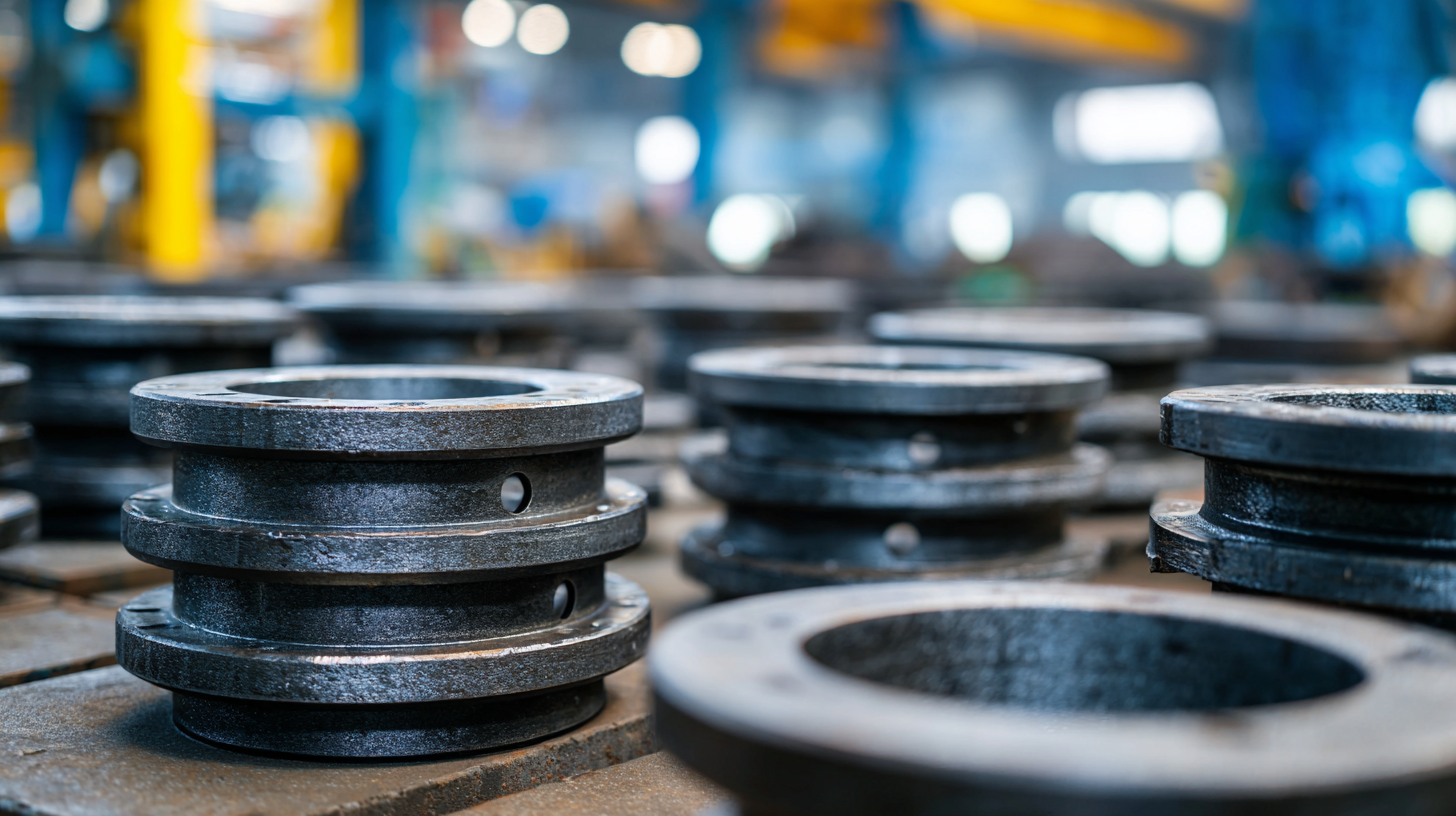 Steel flanges, recognized for their robustness and reliability, play a crucial role in ensuring leak-proof connections and facilitating seamless operation across numerous applications. Various types of steel flanges, including weld neck, slip-on, and blind flanges, cater to diverse industrial needs, enhancing their functionality and adaptability.
Understanding these components not only aids in selecting the right type for specific applications but also provides insights into industry standards and practices, ultimately contributing to improved operational efficiency and safety.
This guide aims to delve deeper into the types, uses, and industry insights associated with steel flanges, helping stakeholders make informed decisions in their respective fields.
Types of Steel Flanges and Their Unique Characteristics
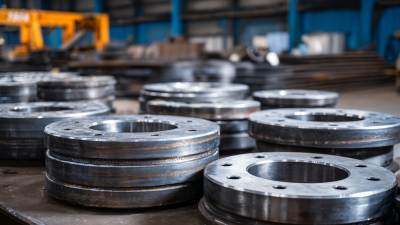
Steel flanges play a critical role in piping systems, and they come in various types, each with unique characteristics tailored for specific applications. The most common types include slip-on, weld neck, blind, and socket weld flanges. Slip-on flanges are easier to install, allowing for quick assembly by sliding over the pipe. They are ideal when there is ample space and are often used in low-pressure applications. On the other hand, weld neck flanges provide strength and are designed to be welded to the pipe, making them suitable for high-pressure environments.
Another significant type is the blind flange, which is solid and serves to close the end of a piping system. These flanges are essential for maintenance, allowing for easy access and inspection while maintaining the integrity of the piping system. Socket weld flanges, known for their ability to handle small-diameter piping systems, are fitted into the pipe for a stronger connection. Each type of steel flange is distinct in its design and application, ensuring that engineers can select the appropriate flange based on pressure, temperature, and application requirements.
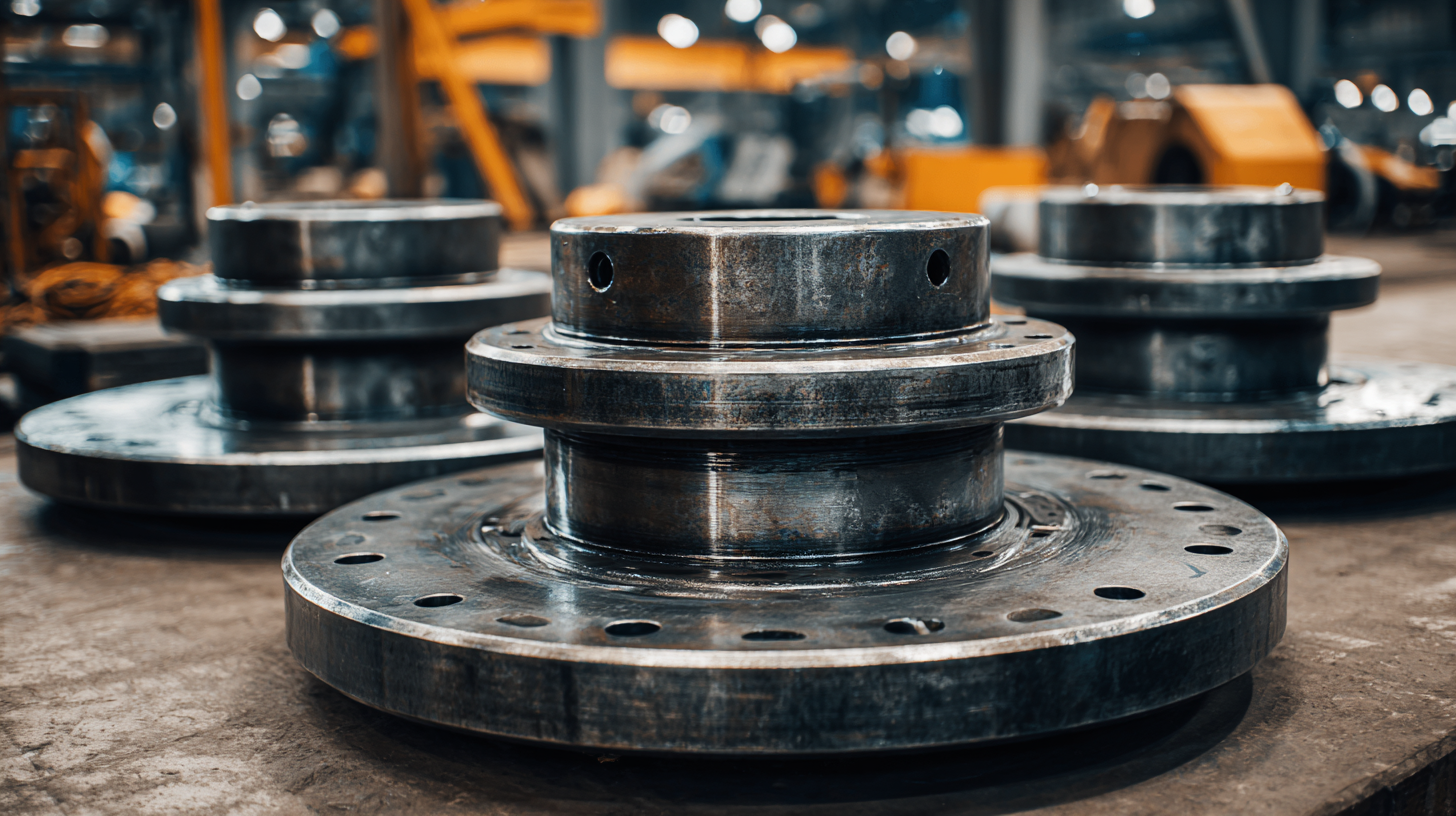
How to Choose the Right Steel Flange for Your Project
Choosing the right steel flange for your project is crucial in ensuring
the integrity and performance of your piping system. First, consider the type of flange that best suits your application.
The most common types include welding neck, slip-on, blind, and threaded flanges,
each offering specific advantages based on pressure, temperature, and connection requirements. For instance,
welding neck flanges provide a strong, permanent joint suitable for
high-pressure applications, while slip-on flanges offer ease of installation for
less critical uses.
Next, evaluate the material grade and specifications of the steel flange.
ASTM and ASME standards dictate the quality and characteristics of flanges,
influencing factors like strength, corrosion resistance, and temperature tolerance.
Additionally, consider the environment in which the flange will be used. For corrosive environments,
stainless steel flanges are often preferred, while carbon steel flanges may be suitable for less demanding applications.
Finally, consulting with suppliers or industry experts can provide valuable insights, ensuring that you select a flange that meets
both the technical and budgetary requirements of your project.
Understanding the Manufacturing Processes of Steel Flanges
The manufacturing of steel flanges involves several key processes that ensure both precision and durability. Initially, raw steel is sourced and prepared, where it undergoes heating to facilitate shaping. This can be achieved through methods such as forging, which involves hammering or pressing to mold the steel into the desired flange shape. Alternatively, processes like casting can also be used, where molten steel is poured into molds and allowed to solidify. Each method presents unique advantages in terms of material properties and cost-efficiency.
Following the initial shaping, the flanges undergo machining, which is critical for achieving the precise dimensions and surface finishes required for effective sealing and fitting in various applications. Techniques such as turning, milling, and drilling are employed to create bolt holes and define the flange's overall profile. Quality control measures, including stress testing and surface inspection, are implemented to ensure that each flange meets strict industry standards. This meticulous attention to detail not only guarantees functionality but also enhances the longevity of steel flanges, making them a reliable option for numerous industries, from construction to oil and gas.
The Ultimate Guide to Understanding Steel Flanges: Types, Uses, and Industry Insights
| Type of Steel Flange |
Common Uses |
Manufacturing Process |
Industry Applications |
| Weld Neck Flange |
Pipelines, Pressure Vessels |
Machining and Welding |
Oil & Gas, Chemical Processing |
| Blind Flange |
Closing Ends of Pipes |
Casting and Machining |
Construction, Water Treatment |
| Slip-On Flange |
Low-Pressure Applications |
Machining |
HVAC, Plumbing |
| Socket Weld Flange |
High-Pressure Applications |
Machining and Welding |
Aerospace, Military |
| Threaded Flange |
Low-Power Applications |
Casting |
Marine, Refineries |
How to Maintain and Inspect Steel Flanges for Longevity
Maintaining the integrity of steel flanges is crucial for ensuring the longevity and safety of piping systems across various industries. Regular inspection and maintenance can prevent costly downtimes and failures. According to a report from the American Society of Mechanical Engineers (ASME), approximately 30% of flanges fail due to improper maintenance practices, highlighting the need for comprehensive inspection protocols. Key maintenance steps include visual inspections for corrosion or damage, ensuring that flange bolts are correctly torqued, and regularly checking for leaks at the joints.
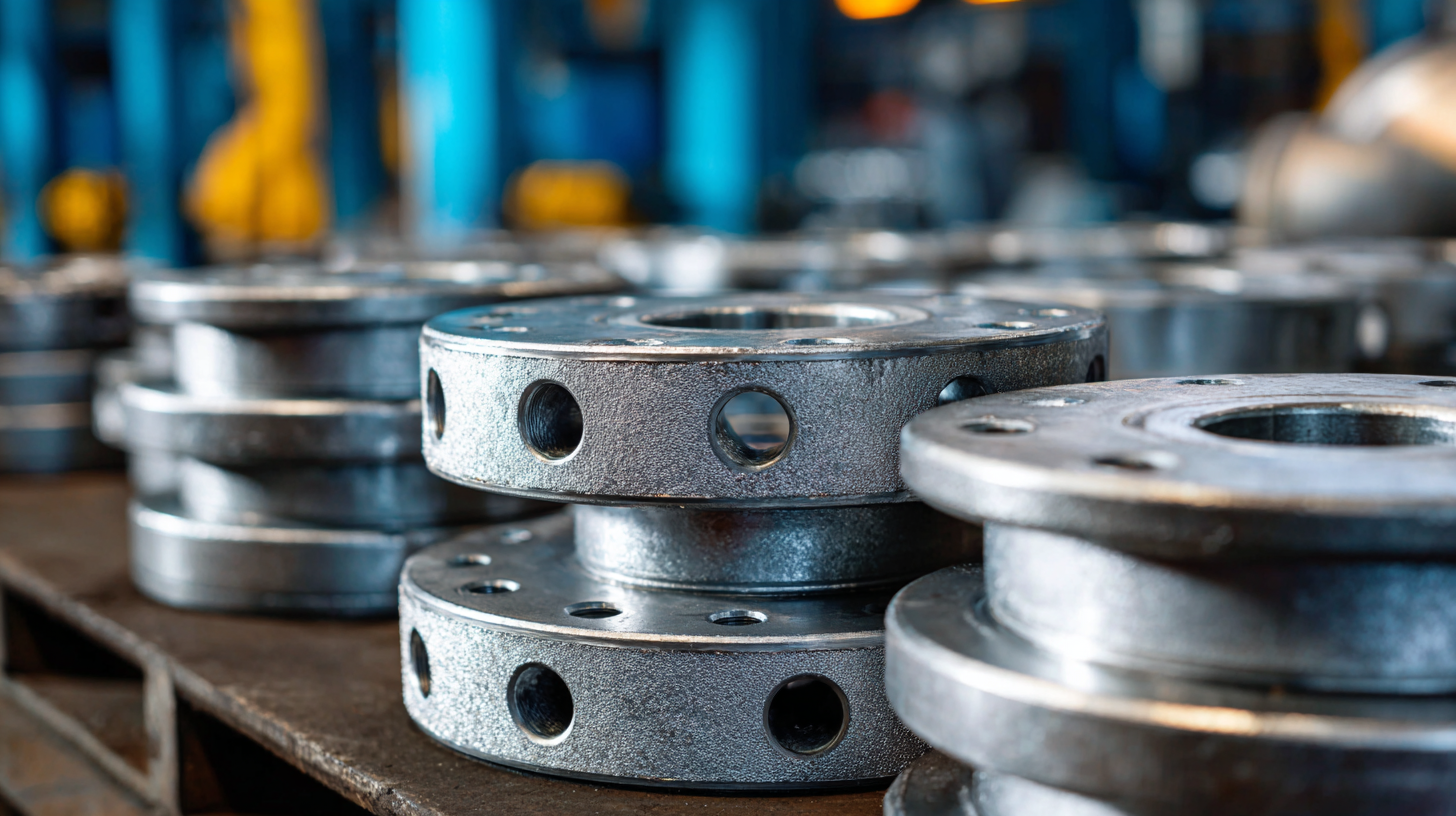
In addition to visual inspections, periodic non-destructive testing (NDT) methods, such as ultrasonic testing and magnetic particle inspection, are essential in identifying hidden defects that could compromise the flanges' performance. The Engineering Inspection Branch of the National Institute of Standards and Technology (NIST) states that implementing a structured inspection schedule can prolong the lifespan of steel flanges by 35-40%. Educating personnel on proper handling techniques and maintenance procedures is also vital, as human error can significantly affect flange longevity and overall system reliability. By combining regular inspections with thorough training, industries can enhance the durability and operational efficiency of their piping systems.
Industry Applications of Steel Flanges: A Comprehensive Overview
Steel flanges are essential components in a wide range of industrial applications, serving as reliable connectors in piping and machinery systems. In the oil and gas industry, for instance, the demand for steel flanges is projected to increase significantly, driven by the rising need for new infrastructure and maintenance of existing facilities. According to a report by Market Research Future, the global steel flange market is expected to grow at a CAGR of 4.5% from 2021 to 2027. This growth is largely fueled by the booming energy sector, which relies heavily on these sturdy fittings for seamless operations in various environments.
Additionally, the chemical manufacturing industry also heavily utilizes steel flanges to ensure safe and efficient transport of hazardous materials. The American Society of Mechanical Engineers (ASME) has set stringent standards for flange design and manufacturing, which further emphasizes their critical role in maintaining system integrity. A survey conducted by industry experts indicated that over 60% of facilities reported flanges as a key component in reducing operational downtime, highlighting their importance in enhancing productivity and safety in industrial settings. The use of stainless steel flanges, in particular, has surged, driven by their corrosion resistance and strength, making them ideal for challenging conditions typical in many industrial applications.