What is a Walking Tractor Benefits and Uses Explained?
The Walking Tractor has become an essential tool in modern agriculture. According to Dr. Emily Thompson, a leading expert in agricultural machinery, “Walking Tractors can transform small-scale farming.” This innovative equipment offers numerous benefits, making it a favorite among farmers worldwide.
Walking Tractors are versatile machines designed for small farms. They provide a cost-effective solution for plowing, tilling, and transporting goods. Many farmers appreciate their ability to navigate narrow fields and tough terrains. The compact design ensures they can access areas larger tractors cannot. However, there is a learning curve involved in operating these machines effectively.
While the benefits are clear, challenges remain. Not every farmer has experience with mechanized equipment. Some may struggle with maintenance and repair. Moreover, understanding how to maximize productivity can take time. Investing in a Walking Tractor can lead to greater yields, but farmers must be prepared for the commitment involved.
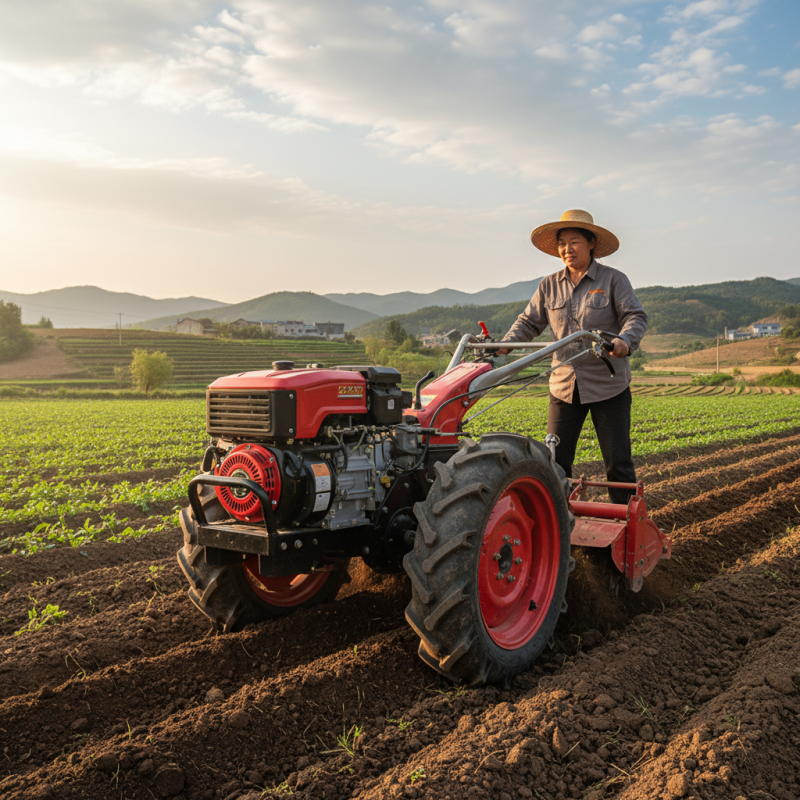
What is a Walking Tractor?
A walking tractor, also known as a two-wheeled tractor, is a versatile agricultural tool. This compact machine is designed for small to medium-sized farms. It is lighter than traditional tractors, making it ideal for navigating tight spaces. Farmers can use this implement for various tasks, including plowing, tilling, and sowing seeds.
According to a report by the Food and Agriculture Organization, about 60% of the world’s arable land is cultivated using small-scale farming techniques. Walking tractors have become increasingly popular in developing regions. They help increase productivity while reducing labor costs. Its ability to perform multiple functions enhances its utility. For instance, it can be attached to different implements, such as harrows and seeders.
While beneficial, there are challenges to consider. Maintenance can be more demanding due to the smaller engine size. Some users report difficulty in sourcing spare parts, especially in rural areas. It's essential for farmers to weigh these factors against the advantages offered. Complete understanding of the machine is necessary for effective operation and longevity.
Key Features of Walking Tractors
Walking tractors are versatile machines designed for small-scale agriculture and gardening. Their compact size makes them suitable for various terrains, especially where larger tractors struggle. Key features of walking tractors include adjustable handles, multiple attachments, and ease of maneuverability. An industry report by the Agricultural Machinery Association states that the efficiency of walking tractors can increase productivity by up to 30% when compared to traditional hand tools.
One of the standout features of walking tractors is their ability to operate with various attachments. This flexibility allows users to switch between plowing, tilling, and even transporting goods. With a weight of 300-600 pounds, they strike a balance between stability and portability. However, potential users should consider maintenance costs and weight distribution when operating on uneven ground.
Tips: Always check the soil condition before use. Adjust tire pressure according to load for better traction. Failing to do so may cause hindrances during operation or uneven tilling. Regularly inspect attachments for wear and tear. This routine check can prevent costly repairs in the long run.
Benefits of Using Walking Tractors in Agriculture
Walking tractors have become increasingly popular in agriculture due to their numerous benefits. These compact machines are ideal for small farms where larger tractors might struggle. Walking tractors are versatile and can perform several tasks like plowing, harvesting, and tilling. This flexibility reduces the need for multiple machines, saving both time and costs.
One significant advantage is their efficiency in maneuvering through tight spaces. Farmers find walking tractors easier to handle on smaller plots and around obstacles. This characteristic helps maintain crop health and improves overall productivity. However, operating a walking tractor requires skill. New users might face a learning curve and need practice to master control.
Additionally, walking tractors can often work in various soil conditions. This adaptability makes them suitable for diverse agricultural practices. Yet, there are concerns about durability with certain models. Some users report issues with wear and tear over time. Choosing the right machine is vital for performance. Ensuring proper maintenance can help mitigate these challenges.
Benefits of Using Walking Tractors in Agriculture
Common Uses of Walking Tractors in Various Industries
Walking tractors offer versatility across various industries. These compact machines are efficient for small farms and gardens, powering numerous attachments for different tasks. Their uses extend to agriculture, landscaping, and even urban settings. In the agriculture sector, around 40% of farmers have reported improved productivity through the use of walking tractors.
In the landscaping industry, walking tractors are indispensable for maintaining parks and gardens. These machines assist in mowing, tilling, and debris removal, making tasks faster. A recent report indicates that 60% of landscaping professionals prefer walking tractors for their maneuverability in tight spaces. This adaptability is particularly beneficial in urban environments, where space is limited.
Tip: Regular maintenance of walking tractors is essential. Check the oil and hydraulic fluids frequently to ensure optimal performance. When using attachments, ensure they are compatible with the tractor model to avoid inefficiencies.
Despite their advantages, user experience can vary. Some operators find steering difficult, especially on uneven terrain. Adjusting to the controls may take time, leading to frustration. Training and practice can mitigate these challenges.
Tip: Consider taking a basic training course to enhance your skills. Learning from experienced operators can accelerate your efficiency.
Maintenance and Care for Walking Tractors
Maintaining a walking tractor is essential for its longevity and efficiency. Regular checks on the engine, oil levels, and filters can prevent expensive repairs. Clean the air filter and replace it when necessary. Keeping the fuel system clean is equally important. Dirty fuel can lead to engine malfunctions.
Inspect the tires for wear and proper inflation. Underinflated tires can affect performance and soil handling. It’s advisable to rotate the tires to ensure even wear. Regularly examine belts and cables for any signs of damage. This proactive approach can save time and money.
The maintenance schedule is a guide, but personal observation is key. Every walking tractor behaves differently. Pay attention to unusual sounds or vibrations. Documenting your maintenance activities can provide insights in the long run. This reflects a commitment to preserving the equipment's functionality.
What is a Walking Tractor Benefits and Uses Explained? - Maintenance and Care for Walking Tractors
| Feature | Description | Benefits | Common Uses |
| Compact Design | A smaller size compared to traditional tractors, making it easier to maneuver in tight spaces. | Ideal for small farms and urban gardening. | Gardening, landscaping, and small-scale farming. |
| Versatility | Can be used with various attachments for different tasks. | Enhances productivity by allowing multiple functions. | Tilling, plowing, planting, and harvesting. |
| Fuel Efficiency | Typically uses less fuel compared to larger tractors. | Cost savings on fuel for small-scale operations. | Field preparation and maintenance tasks. |
| Ease of Use | Designed for simple operation, suitable for users with varying experience. | Reduces learning curve and increases accessibility. | Home gardening and small farmer usage. |
| Maintenance | Requires regular care similar to other machinery. | Prolongs life and optimizes performance. | Daily chores, repairs, and attachments checking. |