
Quality Products

At a Fair Price

Wholesale Provider

Of Valves & Fittings

  • Corporate Office: 1301 Greengrass Drive Houston, TX 77008
  • 1-800-237-2512

Quality Products

At a Fair Price

Wholesale Provider

Of Valves & Fittings

Why Choose EMT Electrical Connectors for Global Projects?

Why Choose Emt Electrical Connectors for Global Projects?

Global electrical projects rarely fail because of one dramatic mistake. More often, small connection problems grow quietly behind walls, ceilings, and equipment panels. EMT Electrical Connectors help create dependable joints between electrical metallic tubing and enclosures. Their value becomes clearer where vibration, moisture, dust, and temperature changes are part of daily operation.

Mike Holt, a respected electrical educator and founder of Mike Holt Enterprises, has emphasized a practical principle: “A safe electrical installation is one that performs reliably under expected conditions.” That idea applies directly to connector selection. A properly chosen connector can support mechanical stability, grounding continuity, and easier maintenance. It also helps installers produce consistent results across factories, airports, commercial buildings, and infrastructure sites.

The details matter. Zinc-plated fittings may suit many indoor environments, while corrosion-resistant materials can be wiser near coastal air or chemical exposure. Thread quality, locknut design, sealing performance, and compatibility with conduit sizes deserve careful checking. Local electrical codes still control the final decision. Global does not mean identical.

A connector may look secure and still be poorly installed. That assumption deserves scrutiny. Field experience shows that over-tightening, under-tightening, damaged threads, and mixed components can weaken an otherwise sound system. Clear installation instructions and trained inspection reduce those risks. There is no universal connector for every climate, enclosure, or project budget. Choosing well requires technical judgment, documented testing, and a willingness to question convenient shortcuts.
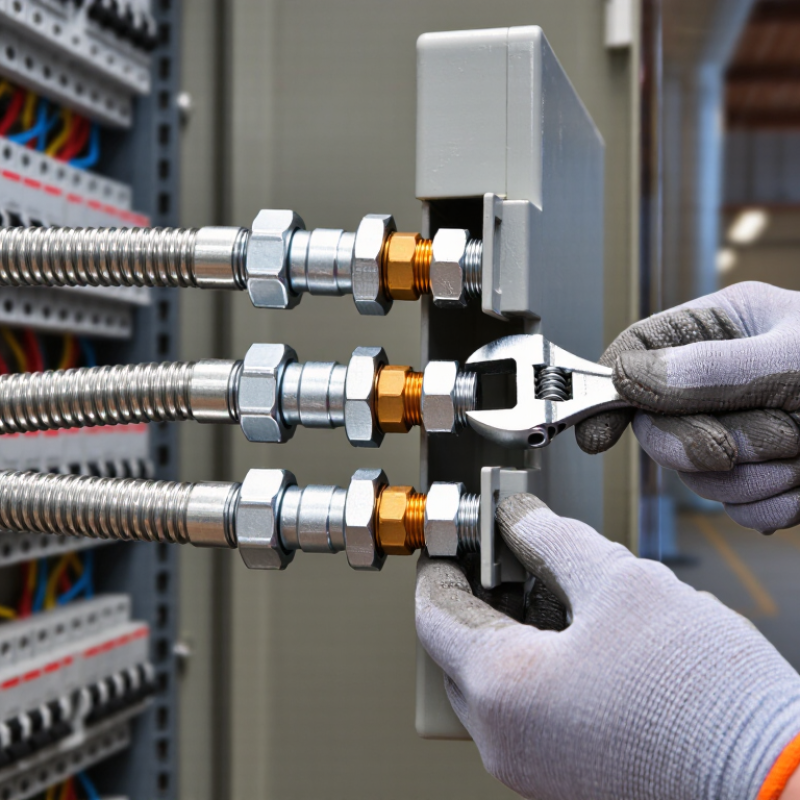
Why Choose EMT Electrical Connectors for Global Projects?

What Are EMT Electrical Connectors?

What Are EMT Electrical Connectors?

EMT electrical connectors are fittings that join electrical metallic tubing to boxes, panels, and enclosures. They create a stable mechanical connection and help protect conductors from impact, dust, and abrasion. Common types include set-screw and compression connectors. Set-screw models tighten with a visible screw, while compression models use a nut and sealing ring. The right choice depends on the installation environment, conduit size, and local electrical requirements.

On a real project, connector quality becomes obvious during installation. A properly sized connector slides onto the tubing without excessive force. Its locknut should sit firmly against the box wall. The conduit must remain aligned, with no sharp edge pressing against wires. In damp or outdoor locations, installers may need fittings with suitable sealing and corrosion resistance. Requirements can vary between countries, so project engineers should check the applicable standards before ordering. A fitting that works well in one region may not satisfy another inspection authority. That detail is easy to miss.

Tips: Measure the tubing before selecting a connector. Remove burrs after cutting. Tighten set screws to the specified torque, not simply by feel. Check bonding continuity with appropriate test equipment. Small installation errors can create larger maintenance problems later. Personally, I would also record the fitting type and inspection result, although many teams skip this step under schedule pressure.

How EMT Connectors Work in Electrical Conduit Systems

Why Choose EMT Electrical Connectors for Global Projects?

EMT connectors join thin-wall steel conduit to electrical boxes, enclosures, and other raceway sections. They create a firm mechanical connection and help maintain grounding continuity through the conduit system. A typical installation uses a connector, locknut, and insulating bushing. Each part has a clear job. The connector enters the box knockout, while the locknut secures it from inside. The bushing protects conductor insulation from sharp metal edges. Tight, clean fittings matter.

The International Energy Agency’s Electricity 2024 report projects global electricity demand will grow by about 3.4% annually through 2026. More power infrastructure means more conduit routes in commercial, industrial, and renewable-energy facilities. EMT connectors support fast, organized routing where space is limited. Their compact profile also suits crowded control panels and ceiling spaces. Keep it simple.

However, EMT practices are not identical worldwide. North American projects may specify EMT, while other regions prefer different conduit systems. Installers must verify local codes, threadless fitting requirements, grounding rules, and enclosure ratings before ordering. In the field, I have found that rushed measurements create avoidable problems. A connector may fit the conduit but fail the box-entry requirement. That mistake costs time. The better approach is to check conduit diameter, wall thickness, knockout size, and approval markings together. Standards-based selection improves reliability, but it does not replace careful workmanship.

Why Choose EMT Electrical Connectors for Global Projects? - How EMT Connectors Work in Electrical Conduit Systems

Practical reference data for selecting and installing electrical metallic tubing connectors

Selection Dimension Reference Data How the Connector Works Typical Project Benefit
Primary conduit type Electrical Metallic Tubing (EMT), commonly manufactured from galvanized steel The connector joins the EMT to another conduit length, electrical box, enclosure, or fitting and maintains mechanical continuity. Provides a compact, durable raceway system for exposed or concealed wiring installations.
Common connector types Set-screw connectors; compression connectors; raintight compression connectors where the installation requires a sealed connection Set-screw models secure the tubing with one or more tightening screws. Compression models use a gland, nut, or sealing ring to grip and seal the tubing. Allows the fitting style to be matched to indoor, damp, wet, commercial, industrial, or outdoor conditions.
Nominal EMT size Common trade sizes include 1/2, 3/4, 1, 1-1/4, 1-1/2, 2, 2-1/2, 3, 3-1/2, and 4 inches The connector must match the exact nominal EMT trade size; conduit and fitting dimensions are not selected by nominal size alone across different systems. Standardized trade sizes simplify material planning and support repeatable installation practices across projects.
Selected outside diameters 1/2 in: 0.706 in (17.9 mm); 3/4 in: 0.922 in (23.4 mm); 1 in: 1.163 in (29.5 mm); 2 in: 2.197 in (55.8 mm); 4 in: 4.500 in (114.3 mm) The connector’s entry and gripping area are engineered for the corresponding EMT outside diameter and wall profile. Accurate size matching reduces loose joints, difficult assembly, and incompatible fitting combinations.
Mechanical connection Tubing is inserted into the connector and secured according to the fitting design and installation instructions. The fitting resists pullout and helps maintain alignment between the EMT and the connected box, enclosure, or raceway section. Improves structural reliability where conduit is exposed to vibration, movement, or routine maintenance.
Electrical bonding path A listed metal connector, properly tightened and installed with compatible EMT, can form part of the equipment grounding and bonding path where permitted by the applicable electrical code. Metal-to-metal contact and the connector’s bonding design help maintain continuity across conduit joints and terminations. Can reduce the need for a separate grounding conductor in installations where local rules permit the metallic raceway to serve that function.
Environmental selection Set-screw fittings are generally used in dry locations; compression or raintight fittings are selected for damp, wet, or outdoor locations when specifically listed for that use. Sealing components and compression hardware limit moisture entry at the conduit termination. Supports safer and more durable installations in changing climates and demanding operating environments.
Material and corrosion considerations Galvanized steel is common for general installations; corrosion-resistant finishes or compatible materials may be required in corrosive atmospheres. The connector finish and material must be compatible with the EMT, enclosure, surrounding environment, and any dissimilar metals in contact. Helps extend service life and reduces the risk of corrosion-related loss of mechanical or electrical continuity.
Installation verification Check size, connector listing, enclosure type, tightening method, conduit engagement, continuity, and local code requirements. Correct installation creates a secure termination without damaging the tubing, threads, sealing ring, or connector body. Improves consistency across international projects where electrical codes, approval marks, and installation methods may differ.
Applicable standards Common North American references include ANSI C80.3 for EMT and UL 514B for conduit, tubing, and cable fittings; other regions may require different national or international standards. The connector should carry the approval or marking required for the destination market and intended location. Makes project specifications easier to audit while avoiding assumptions that one approval applies worldwide.

Note: Dimensions are representative EMT outside diameters commonly specified for steel EMT. Always confirm the current conduit standard, fitting listing, environmental rating, and local electrical code before procurement or installation.

Why EMT Connectors Support Global Project Requirements

EMT electrical connectors support global project requirements through practical, repeatable installation. They join electrical metallic tubing securely while maintaining a continuous pathway for conductors and grounding. On international sites, this consistency matters when crews work from different training backgrounds. A properly fitted connector can reduce movement, protect cable routes, and simplify inspection.

Details matter. Installers must check tubing size, thread engagement, fastening torque, and enclosure compatibility. They should also confirm local electrical codes before installation. Requirements may differ between industrial plants, commercial buildings, and infrastructure projects. In humid coastal areas, material selection deserves extra attention. In dusty facilities, exposed joints need careful protection. Clear drawings and traceable product documentation help engineers verify compliance across borders.

However, connectors are not a complete solution. Poor alignment can stress the conduit. Inadequate tightening may weaken the connection over time. Small mistakes become expensive. Field inspections often find that installation speed receives more attention than joint quality. That deserves reflection. Project teams should review environmental conditions, inspection records, and maintenance access before approving a connection method. Reliable performance comes from suitable components, trained workmanship, and consistent verification, not from the connector alone.

Why Choose EMT Electrical Connectors for Global Projects?

EMT connectors support global project requirements when they are selected together with the local conduit standard, grounding method, environmental protection level, and certification requirements.

Representative nominal low-voltage values used in major project markets. Actual voltage, frequency, installation method, and approval requirements must be verified for each country and project.

EMT connectors help standardize conduit installation, provide mechanical protection, and maintain electrical continuity when correctly installed. For international projects, confirm compatibility with the selected EMT system and applicable local or international requirements before procurement.

Which Standards Govern EMT Connector Quality and Safety?

Why Choose EMT Electrical Connectors for Global Projects?

EMT connectors support fast, adaptable wiring installations, but quality depends on recognized standards. In North America, NFPA 70, the National Electrical Code, governs EMT installation through Article 358. ANSI C80.3 defines EMT dimensions and material requirements. UL 514B evaluates fittings for conduit, tubing, and cable applications. These standards address thread design, mechanical strength, grounding continuity, corrosion resistance, and pullout performance.

International projects require closer review. IEC 61386-1 establishes general requirements for conduit systems, while IEC 61386-21 covers rigid conduit systems. These rules may not match North American requirements exactly. A connector approved for one market may need additional testing elsewhere. NEMA FB 1 also provides performance guidance for fittings used with conduit and cable assemblies. Field engineers should verify certification scope, not only the presence of a certification mark.

Safety data gives this work practical weight. NFPA’s Home Structure Fires report recorded about 51,700 annual fires involving electrical distribution and lighting equipment from 2017 to 2021. Installation defects remain a concern. A compliant connector cannot correct poor torque, damaged threads, or missing bonding paths. That uncomfortable detail deserves attention.

Tips: Check the project’s governing code before ordering. Confirm enclosure compatibility, conductor space, environmental rating, and approved installation methods. Keep test reports and certificates with the project records. Standards help, but site inspection still matters.

How to Select EMT Connectors for International Applications

International projects need more than a connector that fits. The IEA Electricity 2024 report forecasts global electricity demand to grow by about 4% annually through 2026. That growth increases pressure on installation speed, inspection, and long-term reliability. When selecting EMT connectors, confirm conduit diameter, wall thickness, connector material, and enclosure compatibility. A small dimensional mismatch can loosen during vibration or thermal cycling.

Check the project’s governing standard before ordering. UL 514B addresses fittings for conduit and cable, while IEC 61386-1 provides requirements for conduit systems. These standards are not interchangeable. Ask whether the connector has documented testing for grounding continuity, pull-out strength, corrosion resistance, and ingress protection. The International Energy Agency also highlights grid expansion and modernization as major infrastructure priorities in its World Energy Outlook 2024. That makes reliable bonding increasingly important in dense commercial and industrial installations.

Field experience suggests compression connectors are useful where consistent torque control is difficult. Set-screw types can work well, but installers must remove coatings properly and verify bonding paths. Do not rely on appearance alone. A connector may look secure and still fail a continuity test. Project specifications sometimes overlook local inspection practices, which is a weakness worth challenging. Request certificates, installation instructions, and sample approvals before shipment. Regional temperature, humidity, salt exposure, and metric-imperial dimensional differences deserve equal attention. When uncertain, involve a qualified electrical engineer and test a complete conduit assembly.

Top
error: Content is protected !!