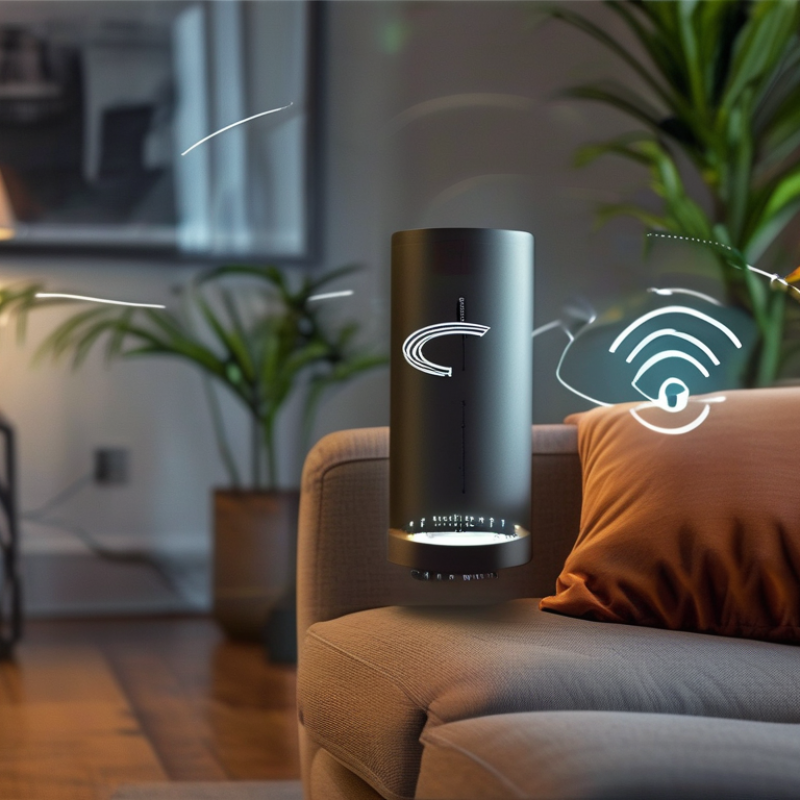
What is Zigbee Occupancy Sensor and How Does It Work?
In today's connected world, the zigbee occupancy sensor stands out as a critical innovation in smart home technology. According to Dr. Emma Ryder, a leading expert in wireless communication systems, “Zigbee occupancy sensors are transforming how we interact with our living spaces.” This technology helps users monitor and manage energy usage efficiently.
Zigbee occupancy sensors detect presence and movement, enabling automatic control of lighting and climate systems. They work by sending signals to a hub, which communicates with other smart devices. This seamless integration allows homes and offices to adapt to occupancy patterns naturally.
However, the technology is not without its challenges. Signal interference and range limitations can pose issues. Implementing a Zigbee occupancy sensor may require additional planning to ensure optimal performance. As smart technologies continue to evolve, the need for reliable solutions is paramount.
What is Zigbee Occupancy Sensor?
Zigbee occupancy sensors are smart devices designed to detect the presence of individuals in a specific area. These sensors utilize the Zigbee communication protocol to seamlessly connect with other devices in a smart home or building system. They can recognize motion and determine whether a room is occupied or vacant. Their reliable performance often enhances energy efficiency by controlling lighting and HVAC systems based on occupancy.
The key to their functionality lies in motion detection technology, including passive infrared sensors. This allows them to detect even subtle movements. Typically mounted on ceilings or walls, they scan an area for human presence. This technology is valuable in both residential and commercial settings. The ability to automate lighting and climate control leads to significant energy savings over time.
However, not all occupancy sensors perform perfectly in every environment. Factors like furniture arrangement or reflective surfaces can interfere with detection accuracy. Users must consider these variables when selecting and positioning their devices. It's essential to evaluate how well the sensor aligns with the space's unique characteristics. Adapting these devices to various conditions requires ongoing assessment and adjustments. This reflection can lead to better energy management and enhanced comfort.
Key Features of Zigbee Occupancy Sensors
Zigbee occupancy sensors are specialized devices designed to detect human presence in a given area. One of their key features is low power consumption, which allows them to operate for long periods without frequent battery changes. This makes them an ideal choice for smart home automation and energy management systems. These sensors use infrared or motion detection to gauge occupancy, which helps in saving energy by controlling lighting and HVAC systems.
Another important aspect is their wireless communication capability. Zigbee sensors connect seamlessly with other smart devices, allowing for efficient data transmission. This enhances the overall functionality of a smart home setup. However, there can be challenges in multi-room setups where signal strength may vary.
Moreover, sensitivity levels are adjustable, which adds versatility. Users can customize them based on specific needs, like detecting pets or avoiding false alarms. Yet, this could lead to potential over-sensitivity or missed detections if not calibrated correctly. The balance of adaptability and reliability is crucial for effective use.
How Zigbee Occupancy Sensors Communicate with Smart Devices
Zigbee occupancy sensors are essential for smart homes. They use wireless technology to detect movement. These sensors communicate with other smart devices seamlessly. This connectivity enables automatic responses, like turning on lights when someone enters a room. The interaction is efficient and leads to energy savings.
Tips: Ensure your smart hub is compatible with Zigbee devices. Proper placement of the sensor enhances its effectiveness. Test the sensor's range periodically.
When a person enters a space, the sensor sends a signal to the hub. This message is transmitted using low-power radio waves. Despite its power efficiency, this can sometimes face interference. Walls or other electronic devices may disrupt the signal. Keeping the environment in mind is critical for optimal performance.
Tips: Regular maintenance checks can prevent unforeseen issues. Consider updating the firmware of your smart hub to enjoy better compatibility. Proper integration can ensure smooth operation.
Applications of Zigbee Occupancy Sensors in Home Automation
Zigbee occupancy sensors are becoming increasingly common in home automation. These devices detect presence within a room, enabling smart systems to react accordingly. They help control lighting, heating, and security based on real-time occupancy data. With energy conservation in mind, these sensors ensure lights turn off when rooms are empty.
Integrating Zigbee occupancy sensors can enhance comfort and save energy. Imagine entering a dark room, and the lights automatically illuminate as you step inside. This creates a seamless experience. For optimal performance, position sensors away from direct sunlight or heat sources.
Tips: Regularly check the sensor's range. Make adjustments if needed. Ensure it's calibrated to avoid false readings. Also, combine multiple sensors for larger areas to increase efficiency. This layered approach not only optimizes energy use but also provides added convenience.
Zigbee Occupancy Sensor Usage in Home Automation
Benefits of Using Zigbee Occupancy Sensors in Energy Management
Zigbee occupancy sensors play a vital role in energy management. These devices detect the presence or absence of people in a space. According to a recent report by the Global Energy Management Organization, implementing occupancy sensors can reduce energy costs by up to 30%. This reduction directly correlates with more efficient lighting and HVAC systems.
Using Zigbee technology, these sensors communicate wirelessly, optimizing energy usage without disruption. They can turn lights off automatically in unoccupied spaces. A study indicated that installations in commercial buildings equipped with occupancy sensors achieved energy savings of up to 38%.
Despite their benefits, some organizations still hesitate. Concerns about reliability and initial costs persist. Furthermore, improperly calibrated sensors can lead to energy waste, failing to turn off when spaces are empty. Ongoing adjustments and maintenance are essential. Investing in proper installation and user training can mitigate these issues, enhancing overall energy efficiency.
What is Zigbee Occupancy Sensor and How Does It Work? - Benefits of Using Zigbee Occupancy Sensors in Energy Management
| Feature | Description | Benefits |
| Wireless Technology | Zigbee operates on IEEE 802.15.4 standard for low-power, low-data rate wireless communication. | Reduces wiring costs and enables easy installation. |
| Detection Method | Utilizes passive infrared sensors to detect motion based on heat signatures. | Improves energy efficiency by ensuring lights are only on when needed. |
| Energy Management | Integrates with smart building systems to monitor and control energy consumption. | Helps reduce operational costs and carbon footprint. |
| Range | Typically operates within 10-30 meters depending on environmental factors. | Flexible installation in various environments without extensive wiring. |
| Scalability | Supports a large number of devices, enabling expansion of smart environments. | Future-proofs building designs as needs grow. |