Quality Products
At a Fair Price
Wholesale Provider
Of Valves & Fittings
- HOME
- Products
- Ball Valves
- Bull Plugs & Swages
- Butterfly Valves
- Check Valves
- Cushion / Flow Tees & Bleed Rings
- Enhanced Oil Recovery
- Floating Ball Valves
- Foot Valves
- Forged Steel Fittings
- Forged Steel Outlets
- Gaskets-Insulation Kits
- Gate Valves
- Gate, Globe & Check Valves
- Malleable Fittings
- Needle Valves
- Nipples
- Piston Valves
- Plug Valves
- Stainless Steel Flanges, Fittings & Nipples
- Strainers
- Studs
- Trunnion
- Unions
- Weld Fittings & Flanges
- Manufacturers
- Advance
- American Block
- Anvil
- Balon
- Bonney Forge
- Champion
- Clayton Mark
- Crane
- Daniel
- DMIC
- GMI
- Galli & Cassina
- Hackney-Ladish
- JMC
- Lone Star
- MATCO
- Marpac-McCanna
- National Flange
- National Gasket
- Nordstrom
- Nutron
- PPI
- SHARPE
- SMI
- TEXSTEAM
- TEX-THREAD
- Titan
- USA Fastner
- Vogt
- Weld Bend
- Westbrook
- Wheatley
- Williams
- WKM
- Wolar
- Locations
- Contact
- Blog
- Careers
- Get a Quote
- HOME
- Products
- Ball Valves
- Bull Plugs & Swages
- Butterfly Valves
- Check Valves
- Cushion / Flow Tees & Bleed Rings
- Enhanced Oil Recovery
- Floating Ball Valves
- Foot Valves
- Forged Steel Fittings
- Forged Steel Outlets
- Gaskets-Insulation Kits
- Gate Valves
- Gate, Globe & Check Valves
- Malleable Fittings
- Needle Valves
- Nipples
- Piston Valves
- Plug Valves
- Stainless Steel Flanges, Fittings & Nipples
- Strainers
- Studs
- Trunnion
- Unions
- Weld Fittings & Flanges
- Manufacturers
- Advance
- American Block
- Anvil
- Balon
- Bonney Forge
- Champion
- Clayton Mark
- Crane
- Daniel
- DMIC
- GMI
- Galli & Cassina
- Hackney-Ladish
- JMC
- Lone Star
- MATCO
- Marpac-McCanna
- National Flange
- National Gasket
- Nordstrom
- Nutron
- PPI
- SHARPE
- SMI
- TEXSTEAM
- TEX-THREAD
- Titan
- USA Fastner
- Vogt
- Weld Bend
- Westbrook
- Wheatley
- Williams
- WKM
- Wolar
- Locations
- Contact
- About
- Careers
- Get a Quote
10 Best Stainless Steel Valves and Fittings Suppliers
Choosing reliable stainless steel valves and fittings suppliers requires more than comparing prices or browsing polished catalogs. A valve may look identical online, yet its performance can differ under heat, pressure, vibration, or corrosive fluids. This guide examines ten respected suppliers through practical criteria, including material quality, manufacturing experience, product range, testing procedures, and customer support.
The review considers details that matter in real installations. These include 304 and 316L stainless steel grades, pressure ratings, sealing materials, surface finishes, and connection standards. Traceable heat numbers and clear inspection records also deserve attention. Strong suppliers should provide technical drawings, certificates, and responsive guidance before an order is placed. Small details matter.
Field experience often reveals what product pages hide. A fitting with rough threads can delay installation. A poorly finished valve seat can cause leakage after repeated cycling. Reliable manufacturers usually combine documented quality systems with skilled machining, welding, inspection, and packaging practices. Lead times and replacement support are also evaluated, because a technically excellent product is less useful when parts arrive late.
No supplier is perfect for every project. That point is easy to overlook. A chemical plant may prioritize corrosion resistance, while a food-processing facility may require hygienic finishes and easy cleaning. Some rankings may also reflect limited public information, changing certifications, or regional availability. Readers should verify current specifications and approvals before purchasing. This comparison offers a practical starting point, not a substitute for engineering review, site conditions, or supplier due diligence.
How Stainless Steel Valves and Fittings Suppliers Are Evaluated
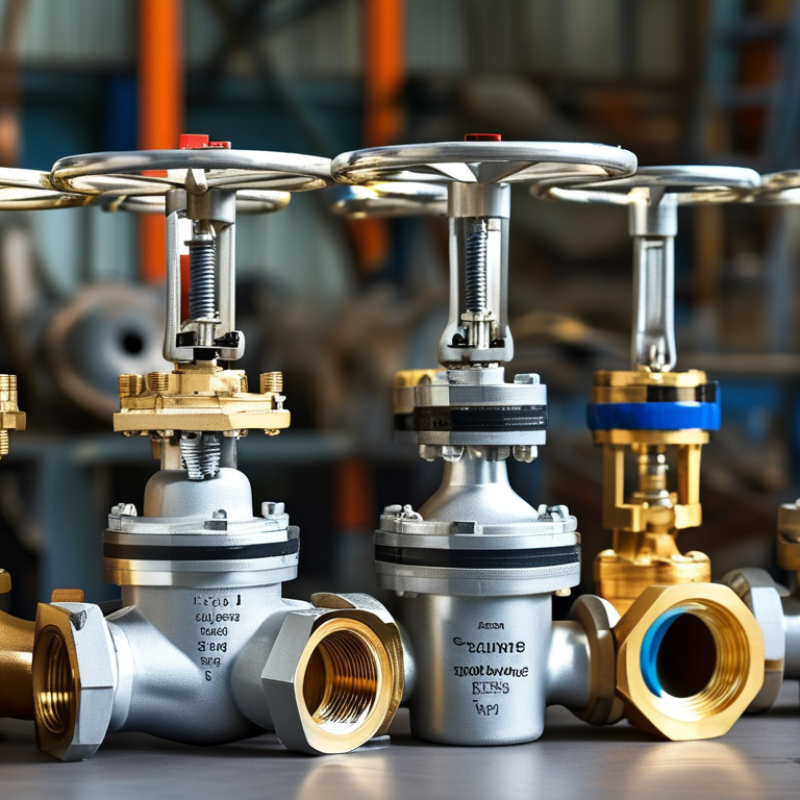
A reliable supplier is judged beyond price. During factory reviews, I examine heat-number traceability, material certificates, positive material identification, and pressure-test records. Each valve should connect to a documented production history. For fittings, dimensions must match ASME B16.9 or the specified project standard. Valve testing should follow requirements such as API 598 or ISO 5208.
Small gaps matter.
Industry data supports this caution. The World Stainless Association reported approximately 58.4 million tonnes of global crude stainless steel production in 2023. More material does not guarantee better quality. Buyers should verify grade chemistry, corrosion resistance, and surface condition for every batch. An ISO 9001 certificate helps, but it cannot replace process evidence. The ISO Survey 2023 recorded more than 1.26 million ISO 9001 certificates worldwide, so certification alone is not a strong differentiator.
Supplier experience appears in practical details. Ask for recent inspection plans, nonconformance reports, calibration records, and delivery performance. A capable supplier can explain why a 316L fitting failed a PMI check, not merely offer a replacement. Check whether welders hold current qualifications and whether test pressure, duration, and medium are recorded clearly. Production capacity also needs proof through equipment lists and realistic lead-time data. I would request references from similar pressure, temperature, and fluid applications.
Sometimes the cheapest quotation wins internally. That decision can become expensive later. One weakness remains: public supplier data is often incomplete, making independent audits and sample testing necessary.
Leading Global Suppliers of Stainless Steel Valves and Fittings
Choosing the 10 best stainless steel valves and fittings suppliers requires more than comparing prices. Global suppliers must prove material traceability, pressure performance, and delivery consistency. In chemical plants, a small surface defect can become a serious maintenance problem.
MarketsandMarkets reports that the industrial valves market may grow from about USD 78 billion in 2024 to more than USD 97 billion by 2029. This growth reflects demand from water treatment, energy, food processing, and industrial manufacturing. Grand View Research also identifies corrosion resistance and automation as major market drivers. These trends place greater pressure on suppliers to offer 304 and 316 stainless steel grades, accurate dimensions, and tested sealing systems.
Reliable suppliers usually provide mill certificates, inspection records, and clear standards such as ASTM, ASME, ISO, or API. They should explain pressure ratings without hiding behind vague technical language. Product experience matters here. A supplier serving offshore facilities may understand chloride exposure better than a general metal distributor. Yet no supplier is perfect. Delivery claims still need verification, and certificates should match the actual heat number. Buyers should compare machining quality, gasket compatibility, batch control, and after-sales response. The strongest global suppliers combine engineering support with practical logistics, but independent inspection remains wise for critical installations.
Key Products and Industry Applications of Each Supplier
10 Best Stainless Steel Valves and Fittings Suppliers
Supplier selection should follow application, not popularity. Supplier 1 focuses on sanitary ball valves for food and beverage lines. Supplier 2 provides threaded fittings for compact water systems. Supplier 3 specializes in wafer butterfly valves for chemical processing. Supplier 4 offers forged gate and globe valves for high-pressure energy projects. Supplier 5 supplies stainless steel elbows, tees, and reducers for industrial piping. Supplier 6 targets pharmaceutical systems with polished, low-crevice components. Supplier 7 produces check valves for pumps and wastewater networks. Supplier 8 supports marine projects with corrosion-resistant flanges. Supplier 9 combines actuated valves with process-control packages. Supplier 10 serves general manufacturing with stocked fittings and fast replacement support. These product differences matter. A valve that performs well in clean water may fail under chloride exposure or repeated thermal cycling.
Industry reports show strong demand. MarketsandMarkets estimates the industrial valves market will grow from roughly USD 78 billion in 2023 toward more than USD 100 billion by 2030. Grand View Research also identifies chemical processing, water treatment, and energy as major application sectors. Definitions differ between reports, so I would not treat every forecast as exact. Still, the direction is clear. Buyers should check pressure ratings, alloy grades, surface finish, certificates, and traceability. Ask for actual test records, not attractive brochures.
Tips: Compare three technical quotations. Confirm ASTM, ASME, and ISO compliance where applicable. Inspect weld areas and threads closely. One overlooked detail can become a costly leak. Supplier experience is useful, but it is not proof of suitability. Temperature, media chemistry, installation space, and maintenance access must guide the final decision.
Stainless Steel Valve and Fitting Applications by Product Family
The chart summarizes common industry applications for major stainless steel valve product families. A value of 1 indicates that the product is commonly specified for the application; 0 indicates that it is not a typical primary choice. Actual selection depends on pressure, temperature, media compatibility, material grade, and applicable standards.
Ball, gate, globe, check, and butterfly valves are widely used across oil and gas, chemical processing, water treatment, food and beverage, pharmaceutical, and power-generation systems. Stainless steel fittings are commonly selected alongside these valves for corrosion resistance and hygienic or high-purity service requirements. Product specifications are generally associated with standards such as ASME B16.34, ASME B16.5, ASME B16.9, MSS SP-43, ASTM A182, and ASTM A351.
Quality Standards, Certifications, and Manufacturing Capabilities
Selecting among the 10 best stainless steel valves and fittings suppliers requires more than comparing prices. Manufacturing capability must be visible in documents and physical samples. According to Grand View Research, the global industrial valves market was valued at approximately USD 78.7 billion in 2023. This scale increases competition, but it also makes supplier verification essential. Buyers should review melting records, heat numbers, PMI results, and dimensional inspection reports.
Quality systems provide the foundation. ISO 9001 certification supports controlled production and corrective actions, while ISO 14001 and ISO 45001 indicate broader environmental and workplace controls. The 2023 ISO Survey recorded more than 1.2 million valid ISO 9001 certificates worldwide. However, certification alone proves limited competence. Auditors should confirm certificate scope, issuing body, expiry date, and covered production site. Small details matter.
For pressure equipment, suppliers should demonstrate compliance with standards such as ASME B16.34, API 598, EN 10204, or applicable regional pressure regulations. Manufacturing depth also matters. Look for automated welding controls, CNC machining, hydrostatic testing, helium leak testing, and complete traceability from billet to shipment. A practical warning remains: polished documentation can hide inconsistent metallurgy or weak testing discipline. Request recent test records and inspect witness samples when possible. Even experienced buyers can overlook gasket compatibility, chloride exposure, or temperature cycling. That oversight can become expensive.
| Rank | Supplier Profile | Core Product Range | Typical Stainless-Steel Materials | Applicable Product Standards | Quality Certifications and Documentation | Manufacturing Capabilities | Quality-Control Features |
|---|---|---|---|---|---|---|---|
| 1 | Profile A | Ball, gate, globe, check, and butterfly valves; threaded and flanged fittings | ASTM A351 CF8M; ASTM A351 CF8; ASTM A182 F316L; ASTM A182 F304L | ASME B16.34; API 600; API 602; ASME B16.5; ASME B16.10 | ISO 9001 quality system; EN 10204 Type 3.1 material certificates; pressure-test records | Investment casting, precision machining, CNC turning, orbital grinding, automated assembly | PMI testing, hydrostatic testing, pneumatic seat testing, dimensional inspection, heat-number traceability |
| 2 | Profile B | Sanitary diaphragm, butterfly, ball valves, clamps, unions, and hygienic fittings | 316L stainless steel; 304 stainless steel; low-carbon 316L wetted components | ASME BPE; ISO 2852; DIN 11850; 3-A sanitary design principles | ISO 9001; surface-finish records; elastomer compliance documentation; EN 10204 Type 3.1 available | Forging, CNC machining, electropolishing, orbital welding, clean assembly and passivation | Surface roughness inspection, boroscope inspection, passivation verification, weld-record control |
| 3 | Profile C | Trunnion and floating ball valves for oil, gas, chemical, and utility applications | CF8M; CF3M; F316; F316L; duplex stainless steel options | API 6D; API 608; ISO 17292; ASME B16.34; API 607 fire testing | ISO 9001; API Q1-style quality controls; fire-safe test reports; fugitive-emission records | Investment and sand casting, CNC machining, hard-facing, automated pressure testing | Shell and seat testing to ISO 5208, PMI, radiographic or ultrasonic testing where specified, low-emission testing |
| 4 | Profile D | Butt-weld, socket-weld, and threaded pipe fittings; forged branch outlets | ASTM A403 WP316L; ASTM A403 WP304L; ASTM A182 F316L; ASTM A182 F304L | ASME B16.9; ASME B16.11; MSS SP-43; ASME B16.25; ASTM A403 | ISO 9001; EN 10204 Type 3.1; material and heat-treatment certificates; NACE documentation when required | Hot forging, cold forming, seamless production, machining, heat treatment, solution annealing | Chemical analysis, tensile testing, hardness testing, wall-thickness measurement, dimensional inspection |
| 5 | Profile E | Wafer and lug butterfly valves, resilient-seat valves, and lined valves | CF8M body; CF8 body; 316 stainless steel disc; EPDM, PTFE, or FKM seats | API 609; EN 593; ISO 5752; ASME B16.34; ISO 5208 | ISO 9001; pressure-test certificates; elastomer test documentation; ATEX or PED documents when applicable | Casting, CNC machining, coating or lining, actuator mounting, functional testing | Seat-leakage testing, torque testing, coating-thickness measurement, cycle testing, visual inspection |
| 6 | Profile F | High-pressure forged gate, globe, and check valves for steam and process service | F316L; F304L; F11 and F22 pressure-boundary alternatives; stainless trim options | API 602; ASME B16.34; ASME B16.5; MSS SP-117; API 598 | ISO 9001; EN 10204 Type 3.1; heat-treatment records; pressure-boundary traceability | Closed-die forging, CNC machining, hard-facing, welding repair control, assembly and testing | PMI, hardness testing, magnetic-particle or liquid-penetrant testing, hydrostatic and seat testing |
| 7 | Profile G | Marine and offshore valves, strainers, quick-closing valves, and flanged fittings | 316L; CF8M; duplex 2205; super duplex 2507 for severe chloride exposure | API 6D; ISO 5208; ASME B16.34; EN 1092-1; selected marine-class rules | ISO 9001; ISO 14001; ISO 45001; NORSOK or project-specific documentation when required | Heavy-duty casting, CNC machining, anti-corrosion treatment, welding, pressure and function testing | Ferrite testing for duplex grades, PMI, chloride-resistant material control, NDT, coating inspection |
| 8 | Profile H | Instrumentation valves, needle valves, manifolds, tube fittings, and compression fittings | 316 stainless steel; 316L; 304 stainless steel; alloy 400 options | ASME B16.34; ASME B16.11; ASTM F1387; ISO 15848 for emissions where specified | ISO 9001; EN 10204 Type 3.1; helium-leak or gas-test reports; calibration records | Bar-stock machining, CNC Swiss turning, precision threading, deburring, cleaning and assembly | Thread-gauge inspection, dimensional CMM checks, helium leak testing, pressure testing, cleanliness control |
| 9 | Profile I | Large-diameter flanges, lap-joint fittings, reducers, tees, elbows, and custom spool components | ASTM A182 F304L; ASTM A182 F316L; ASTM A403 WP304L; ASTM A403 WP316L | ASME B16.5; ASME B16.47; ASME B16.9; ASME B16.25; MSS SP-44 | ISO 9001; EN 10204 Type 3.1 or 3.2; welding procedure qualifications; NDT reports | Forging, ring rolling, hot forming, plasma cutting, CNC drilling, beveling and custom fabrication | Ultrasonic testing, liquid-penetrant testing, dimensional mapping, flange-face inspection, PMI |
| 10 | Profile J | Corrosion-resistant process valves and fittings for chemical, water-treatment, and high-purity service | 316L; CF3M; duplex 2205; nickel-alloy trim; PTFE-lined options | ASME B16.34; ISO 5208; API 598; EN 12266-1; ASME B16.5 | ISO 9001; PED 2014/68/EU conformity where applicable; material certificates; cleaning records | Precision casting, CNC machining, fluoropolymer lining, electropolishing, passivation and clean packaging | PMI, surface-finish testing, hydrostatic testing, seat-leakage testing, cleanliness and packaging inspection |
How to Choose the Right Stainless Steel Supplier
Choosing the right stainless steel supplier requires more than comparing prices. Start with the valve or fitting’s service conditions. Record the fluid, pressure, temperature, connection type, and expected operating cycles. A supplier with practical engineering experience should ask these questions before recommending a product.
Check the material grade and documentation carefully. Common grades suit different levels of corrosion resistance, strength, and temperature exposure. Request heat numbers, mill certificates, dimensional reports, and pressure-test records. Traceability matters when a fitting is installed behind insulation or inside a crowded process line. Ask how the supplier controls machining, welding, cleaning, and packaging. Small surface defects can become serious problems in hygienic or corrosive systems.
Samples can reveal more than a polished catalog. Inspect thread quality, flange faces, weld consistency, and actuator movement. Confirm that published dimensions match the parts delivered. Delivery reliability also matters, so review production capacity, inspection procedures, spare-part support, and response times. I once focused too heavily on unit price and overlooked replacement lead time. That decision created avoidable downtime. A second review might have exposed it earlier. Speak with the technical team, not only the sales desk. Their answers should be specific, documented, and easy to verify.
Related Posts
-
Top 5 Stainless Steel Valves and Fittings Buyers Should Know?
-
How to Choose Stainless Steel Valves and Fittings for Your Needs?
-
Top Stainless Valves for Global Buyers in 2026?
-
2026 Top Stainless Steel Valves Buying Guide for Global Importers
-
Top 5 Stainless Valves to Invest in for 2025: Best Options and Features
-
Top 5 Benefits of Using Stainless Valves in Industrial Applications for Longevity