
Quality Products
At a Fair Price
Wholesale Provider
Of Valves & Fittings
- HOME
- Products
- Ball Valves
- Bull Plugs & Swages
- Butterfly Valves
- Check Valves
- Cushion / Flow Tees & Bleed Rings
- Enhanced Oil Recovery
- Floating Ball Valves
- Foot Valves
- Forged Steel Fittings
- Forged Steel Outlets
- Gaskets-Insulation Kits
- Gate Valves
- Gate, Globe & Check Valves
- Malleable Fittings
- Needle Valves
- Nipples
- Piston Valves
- Plug Valves
- Stainless Steel Flanges, Fittings & Nipples
- Strainers
- Studs
- Trunnion
- Unions
- Weld Fittings & Flanges
- Manufacturers
- Advance
- American Block
- Anvil
- Balon
- Bonney Forge
- Champion
- Clayton Mark
- Crane
- Daniel
- DMIC
- GMI
- Galli & Cassina
- Hackney-Ladish
- JMC
- Lone Star
- MATCO
- Marpac-McCanna
- National Flange
- National Gasket
- Nordstrom
- Nutron
- PPI
- SHARPE
- SMI
- TEXSTEAM
- TEX-THREAD
- Titan
- USA Fastner
- Vogt
- Weld Bend
- Westbrook
- Wheatley
- Williams
- WKM
- Wolar
- Locations
- Contact
- Blog
- Careers
- Get a Quote
- HOME
- Products
- Ball Valves
- Bull Plugs & Swages
- Butterfly Valves
- Check Valves
- Cushion / Flow Tees & Bleed Rings
- Enhanced Oil Recovery
- Floating Ball Valves
- Foot Valves
- Forged Steel Fittings
- Forged Steel Outlets
- Gaskets-Insulation Kits
- Gate Valves
- Gate, Globe & Check Valves
- Malleable Fittings
- Needle Valves
- Nipples
- Piston Valves
- Plug Valves
- Stainless Steel Flanges, Fittings & Nipples
- Strainers
- Studs
- Trunnion
- Unions
- Weld Fittings & Flanges
- Manufacturers
- Advance
- American Block
- Anvil
- Balon
- Bonney Forge
- Champion
- Clayton Mark
- Crane
- Daniel
- DMIC
- GMI
- Galli & Cassina
- Hackney-Ladish
- JMC
- Lone Star
- MATCO
- Marpac-McCanna
- National Flange
- National Gasket
- Nordstrom
- Nutron
- PPI
- SHARPE
- SMI
- TEXSTEAM
- TEX-THREAD
- Titan
- USA Fastner
- Vogt
- Weld Bend
- Westbrook
- Wheatley
- Williams
- WKM
- Wolar
- Locations
- Contact
- About
- Careers
- Get a Quote
Best Check Valve Manufacturers in China for Global Buyers
Choosing a check valve manufacturer in China involves more than comparing unit prices. Global buyers need products that match the fluid, operating pressure, temperature, and installation conditions. A valve selected from a catalog alone may not perform as expected in a real pipeline. Small details matter.
This guide introduces manufacturers and the factors buyers can use to assess them. These include product range, material options, manufacturing capabilities, inspection procedures, and export experience. Ask for clear specifications, pressure-test records, material documentation, and details about applicable certifications. Requirements differ by market and project, so confirm each document independently rather than assuming every model carries the same approvals. A responsive technical team can also help clarify connection types, flow direction, and maintenance needs before an order is placed.
Look closely at the valve design and its intended service. A stainless-steel swing check valve, for example, may suit a different application than a wafer-style or dual-plate model. Confirm dimensions against the pipeline drawings, and check how the manufacturer handles sampling, production changes, and nonconforming products. Lead time matters, but so does consistency between the approved sample and the delivered batch. That is not always easy to verify from a website. Where possible, use documented checks and direct technical discussions to reduce uncertainty. The following overview is designed to help buyers compare Chinese suppliers carefully, ask more useful questions, and build a shortlist based on evidence—not promotional claims alone.
Understanding Check Valves and Their Role in Fluid Systems
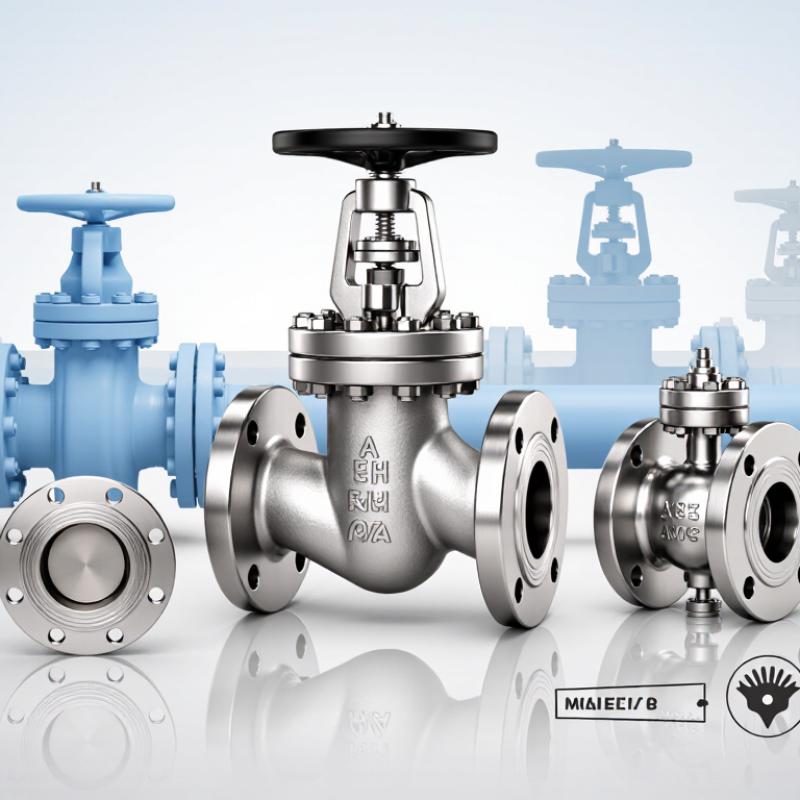
A check valve allows fluid to move in one direction and blocks reverse flow. That simple action protects pumps, compressors, filters, and process lines from pressure shocks. Inside the body, a disc, ball, or piston responds to flow pressure. When pressure falls, the closing element must seal before backflow gains speed. Small timing errors matter.
For global buyers, understanding operating conditions is more useful than comparing catalog photos. Record the fluid, temperature, pressure, flow rate, pipe size, and installation position. A water line may suit a swing valve, while a fast pneumatic system may need a lift or wafer design. Material selection also deserves care; stainless steel can resist corrosion, but it is not suitable for every chemical.
Ask for pressure-test records, material certificates, dimensional drawings, and traceable inspection data. These documents help engineers verify performance before shipment and during site acceptance.
Experienced Chinese manufacturers often support custom connections, coatings, spring settings, and export documentation. However, a polished factory profile does not prove dependable valve behavior. Request samples or witnessed tests when failure could stop production. Check the cracking pressure, leakage rate, shutoff direction, and applicable design standard. Field reviews often reveal vague specifications between valve size and actual flow. That gap deserves a second calculation. A reliable supplier explains limitations clearly, including noise, water hammer risk, and maintenance access. The strongest selection balances verified engineering data with realistic installation conditions, not only a low quotation.
Common Check Valve Types and Their Applications
Check Valve Manufacturers in China for Global Buyers
For global buyers, check valve selection starts with flow direction, pressure, temperature, and installation space. Swing check valves suit clean, steady pipelines such as water transmission and process cooling. Lift check valves handle higher-pressure services but need a more guided flow path. Wafer and dual-plate designs save space between flanges. They are common in pump discharge lines, fire-water systems, and compact industrial skids. Ball check valves can tolerate dirty fluids, although solids may still prevent tight closure.
The application changes the risk. In long pipelines, a slow-closing swing valve can reduce sudden reversal, but poor sizing may create damaging water hammer. Dual-plate valves close quickly and reduce backflow, yet their springs and plates require careful inspection. For corrosive media, body and trim materials must match the fluid chemistry. A stainless body alone is not always enough.
Market data supports continued demand. Grand View Research reported the global industrial valves market at about USD 74.4 billion in 2022, with projected growth through 2030. Its figures cover many valve categories, not check valves alone. This distinction matters. Buyers should request test evidence under API 598 or ISO 5208, then verify pressure ratings against ASME B16.34 or the relevant project specification. Factory experience helps, but it cannot replace documented testing, traceability, and a clear maintenance plan. The best choice is sometimes less obvious.
Common Check Valve Types and Their Applications
Check valves allow fluid to flow in one direction and automatically prevent reverse flow. The chart compares five widely used check valve types by the number of common application examples listed below.
Swing check valve: Water treatment, oil and gas pipelines, fire protection, and HVAC systems.
Lift check valve: Steam systems, boiler feedwater, and compressed-air installations.
Wafer check valve: Water treatment, HVAC piping, and general process piping where compact installation is important.
Dual-plate check valve: Oil and gas, chemical processing, power generation, and water systems.
Spring-loaded check valve: Pump discharge lines, compressors, and chemical dosing systems.
The values represent common application examples rather than market share, sales volume, or manufacturer performance. Actual valve selection depends on pressure, temperature, flow characteristics, fluid compatibility, installation orientation, and applicable standards.
Key Criteria for Evaluating Chinese Check Valve Manufacturers
When global buyers assess Chinese check valve manufacturers, price should not lead the decision. Start with design control, material knowledge, and proven production experience. Ask for drawings, pressure ratings, flow direction data, and applicable standards. A reliable factory explains why a swing, lift, or wafer design fits your pipeline. It should also identify limits, such as temperature, media, and installation position. Clear answers matter. Vague claims do not.
Review quality evidence, not polished photographs. Request material certificates, heat numbers, dimensional records, and hydrostatic or pneumatic test reports. Check whether inspectors use calibrated gauges and documented acceptance criteria. A serious manufacturer can trace a valve from raw casting to final packing. Factory audits add useful evidence. Still, one visit cannot reveal every weakness. Repeat checks are better.
Evaluate export reliability through sample orders and technical communication. Compare response times, drawing revisions, packaging details, spare-part support, and complaint handling. Ask how defects are contained and corrected. Do not ignore small signs. A delayed answer may signal weak engineering coordination. My own buying experience suggests that sample performance can mislead when production controls change later. Include batch inspections and written inspection points in the contract. Also verify corrosion protection, marking, manuals, and container loading. The cheapest quotation often hides testing or service gaps, though not always. Leave room for technical questions and honest disagreement.
| Evaluation Criterion | Suggested Weight | What to Evaluate | Evidence to Request | Practical Evaluation Method |
|---|---|---|---|---|
| Product and application fit | 15% | Confirm valve type, nominal size, pressure class, end connections, installation orientation, flow direction, operating temperature, and media compatibility for the intended service. | Product datasheets, dimensional drawings, pressure-temperature ratings, and written confirmation against the buyer’s duty conditions. | Compare the proposed design and ratings with the project specification. Do not assume a general product range is suitable for every application. |
| Design and applicable standards | 15% | Check whether the offered design and inspection plan align with the standards specified for the project. Relevant references may include API 594 for check valves, API 598 for valve inspection and testing, ISO 5208 for industrial valve pressure testing, and ASME B16.34 for applicable valve pressure-temperature requirements. | Standards list, design documents, inspection and test plan, and test reports that identify the applicable edition and acceptance criteria. | Verify that the cited standard applies to the specific valve type and scope. A standards claim alone does not establish compliance with a particular order. |
| Materials and traceability | 15% | Assess whether body, trim, disc, spring, seat, and gasket materials suit the fluid, corrosion conditions, temperature, and pressure. Check material identification and lot traceability. | Bill of materials, material test certificates, heat or batch numbers, and the manufacturer’s material identification and traceability procedure. | Match material grades to the purchase specification and confirm that traceability records link supplied components to the finished valve. |
| Quality management and production control | 12% | Review controls for purchasing, machining, welding where applicable, assembly, calibration, nonconforming products, and final inspection. | Current quality-management certificates, scope and issuing-body details, sample inspection records, calibration records, and production-control procedures. | Verify certificates with the issuing body or certification database, and check that the certified scope covers the relevant manufacturing activities. |
| Pressure and functional testing | 12% | Confirm that the inspection plan covers the required shell and closure tests, plus any specified functional or leakage checks. Test requirements depend on valve design and the purchase specification. | Order-specific test procedure, calibrated instrument records, test reports, acceptance criteria, and witness or hold-point records where required. | Check that reports identify the valve or order, test medium, pressure, duration, results, and applicable acceptance criteria. Avoid relying only on generic sample reports. |
| Manufacturing capability and capacity | 10% | Evaluate whether the facility can produce the required valve types, sizes, materials, and volumes with controlled processes and realistic lead times. | Facility audit, equipment list, production-flow information, sample job records, and a production schedule for the requested order. | Use a site visit or independent audit for critical orders. Confirm which processes are performed in-house and which are subcontracted. |
| Inspection, documentation, and export readiness | 8% | Assess inspection access, documentation completeness, packaging, marking, shipping protection, and ability to meet destination-market or project requirements. | Sample manufacturing record book index, inspection and test plan, marking samples, packing procedure, and export-document checklist. | Agree on document deliverables, inspection points, packaging requirements, and shipping terms before order placement. |
| Customization and engineering support | 5% | Check the ability to review project specifications, resolve technical questions, provide drawings, and control design changes. | Technical questionnaire, drawing-review process, revision history, and examples of project-specific documentation with confidential details removed. | Send a representative specification and assess the clarity, completeness, and consistency of the technical response. |
| Delivery performance and supply-chain planning | 4% | Evaluate quoted lead time, production milestones, material availability, order-status communication, and contingency planning. | Order schedule, milestone plan, delivery-performance records where available, and written confirmation of key supply assumptions. | Compare the quoted schedule with the required delivery date and identify long-lead materials, approval steps, and inspection windows. |
| Warranty, service, and commercial clarity | 4% | Review warranty scope, exclusions, claims procedure, spare-parts availability, technical support, payment terms, and quotation validity. | Written warranty terms, service-response process, spare-parts list, and a quotation that defines scope, Incoterms, and exclusions. | Compare commercial terms on a like-for-like basis and clarify responsibilities for inspection, freight, documentation, and after-sales support. |
| Total suggested weighting | 100% | Weights are a buyer’s evaluation framework, not a certification or ranking. Adjust them to the valve’s service criticality, project specification, and destination-market requirements. | ||
Chinese Check Valve Manufacturers for Global Buyers
Chinese check valve manufacturers serve buyers across water treatment, power generation, petrochemicals, and building services. The opportunity is substantial: Grand View Research estimated the global industrial valves market at about US$78.4 billion in 2023, with continued growth projected through 2030. That figure covers industrial valves broadly, not check valves alone. Still, it signals sustained demand for dependable flow-control components. Buyers should match valve type to the actual service: a swing check valve may suit a large water line, while a lift design can fit smaller, higher-pressure piping. Small details matter. Disc travel, seat material, and installation orientation affect performance in the field.
For global procurement, compare more than unit price. Ask for material certificates, pressure-test records, dimensional drawings, and traceable inspection reports. Confirm the stated pressure class, temperature range, and connection standard against the project specification. A factory audit or third-party inspection can help verify production controls, especially for repeat orders. Sample testing is useful, but it cannot represent every production batch. That distinction is easy to overlook. Some suppliers may offer extensive documentation, while others need clearer requirements from the buyer. Give manufacturers the fluid data, operating pressure, temperature, and expected flow conditions before requesting a quotation. Clear inputs make technical comparisons more meaningful.
Sourcing, Quality Assurance, and Export Considerations
For global buyers, choosing a check valve manufacturer in China starts with evidence, not attractive catalogs. Request drawings, pressure ratings, flow direction, temperature range, and intended media before comparing quotations. An experienced supplier should explain spring selection, sealing materials, cracking pressure, and installation limits clearly. Vague answers are warning signs. Ask for recent project references, production capacity, and a reliable channel for engineering changes. Samples should match the proposed production design, not a specially polished unit.
Quality assurance needs visible checkpoints. Review incoming material records, machining tolerances, assembly procedures, and final pressure-test reports. For each batch, request serial numbers, inspection dates, test pressure, and inspector signatures. A useful factory visit should include the machining area, cleaning station, calibration labels, and packing line. Watch the details. Are valve bodies protected from impact? Are stainless components separated from carbon steel? Small oversights can become leakage complaints after installation. Independent inspection can verify dimensions, materials, and function before shipment. Do not rely on certificates alone. In practical sourcing, paperwork may look complete while traceability remains weak.
Export planning deserves equal attention. Confirm HS classification with your customs broker, then align invoices, packing lists, certificates of origin, and shipping marks. Use moisture-resistant cartons, capped ports, and internal supports for long sea routes. Agree on Incoterms, lead time, spare parts, warranty response, and claim evidence in writing. A pre-shipment video helps, but it cannot replace inspection. Leave room for correction. Production schedules slip, and translation errors happen. A dependable supplier reports problems early and records each corrective action.
Related Posts
-
5 Key Factors for Sourcing the Best Flanges and Fittings in Today's Global Market
-
How to Choose the Right Ball Valves for Your Project?
-
5 Essential Tips for Choosing the Right Ball Valves for Your Applications
-

How to Choose the Right Stainless Steel Flanges for Your Project
-
Exploring the Rise of Steel Flanges in 2025 China Import Export Trends at the 138th Canton Fair
-
How to Choose the Right Sharpe Ball Valves for Your Needs?
