How to Choose the Right Ball Valves for Your Project?
Choosing the right ball valves for your project is crucial. Ball valves are versatile and reliable components in various piping systems. Their ability to control flow efficiently makes them popular in many industries. When selecting ball valves, consider factors like material, size, and pressure rating. Each of these aspects can significantly affect performance and durability.
It's essential to understand the specific requirements of your project. Not all ball valves are created equal. Some are better suited for high-pressure applications, while others work best in low-pressure environments. Moreover, the material of the ball valve affects its resistance to corrosion and temperature. This choice can sometimes feel daunting.
Mistakes in selecting the wrong ball valves can lead to leaks or failures. This can be costly and time-consuming. Reflecting on past projects can provide insights into what worked and what didn’t. Understanding these nuances can lead to better decision-making. In this guide, we'll explore essential considerations to help you make the best choice for your needs.
Understanding the Different Types of Ball Valves Available
When selecting ball valves for a project, understanding the various types is crucial. There are three main types: floating ball, trunnion-mounted ball, and multi-port valves. Floating ball valves use a ball that moves freely within the body to control flow. They are commonly used in non-critical applications due to their lower pressure ratings. Trunnion-mounted ball valves offer better stability under high pressure and can handle larger pipe diameters. Reports indicate they are preferred for oil and gas applications.
The multi-port ball valve is unique. It allows for fluid flow in multiple directions, making it ideal for complex piping systems. Industry data shows they improve operational efficiency by up to 30%. Selecting the right type requires analyzing the specific application, temperature, and pressure conditions. It is important to consider not just the initial cost but long-term performance and maintenance needs.
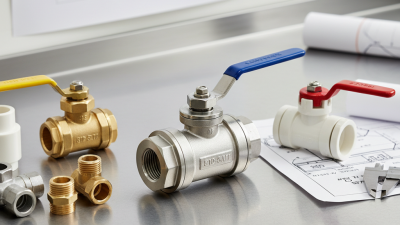
Ball valves also vary based on materials. Common options include brass, stainless steel, and PVC. Each material presents advantages and challenges. For instance, stainless steel offers durability against corrosion but can be more expensive. Understanding these details is vital for making informed choices. Engaging with experts and referencing reliable industry reports can guide effective decision-making in valve selection.
How to Choose the Right Ball Valves for Your Project?
| Type of Ball Valve |
Material |
Pressure Rating |
Diameter |
Applications |
| Floating Ball Valve |
Stainless Steel |
150 PSI |
1 inch - 6 inch |
Water, Oil, Gas |
| Trunnion Mounted Ball Valve |
Carbon Steel |
600 PSI |
2 inch - 12 inch |
Oil & Gas Services |
| Full Port Ball Valve |
PVC |
100 PSI |
1/2 inch - 4 inch |
Chemical Handling |
| V-Port Ball Valve |
Brass |
300 PSI |
3/4 inch - 2 inch |
Flow Control |
| Reduced Port Ball Valve |
Cast Iron |
125 PSI |
2 inch - 8 inch |
Wastewater Treatment |
Key Factors to Consider When Selecting Ball Valves
Choosing the right ball valves is crucial for project success. Several key factors can influence your selection. First, consider the material of the valve. Common choices include stainless steel, brass, and PVC. According to the latest industry reports, stainless steel valves account for over 40% of the market due to their durability and corrosion resistance. This choice can significantly affect the lifespan and reliability of your system.
Next, understand the pressure and temperature conditions of your project. Many applications involve extreme conditions. For instance, valves rated for high pressure can reach up to 6000 psi. Notably, the American Society of Mechanical Engineers (ASME) specifies these standards, ensuring safety. Additionally, the valve size matters. Selecting the wrong size can lead to inefficiencies. Flow calculations and system design should guide this aspect.
Lastly, examine the valve's end connections. They come in various forms, including threaded and flanged. Each type has its advantages and limitations. Choosing a valve that matches your piping system requirements minimizes installation challenges. Always consult technical data sheets and industry standards to make an informed decision. The right valve can enhance performance, but missteps in selection can lead to costly errors.
Material Selection for Ball Valves Based on Application Needs
Choosing the right ball valve involves understanding the material best suited for your specific application needs. Different materials offer distinct advantages based on factors such as pressure, temperature, and the type of media being handled. For instance, stainless steel is often favored for its corrosion resistance in aggressive environments.
When selecting materials for ball valves, consider the media's chemical properties. Certain plastics and alloys perform better in specific conditions. They may withstand high temperatures or resist corrosive substances. Ignoring these aspects can lead to failure and increased maintenance costs.
Tips: Always consult with an expert in valve selection. They can provide insights into best practices for your project. Additionally, check for certifications that validate the material's durability in your application. Test the valve under expected conditions to ensure reliability. Not all situations are straightforward, so be prepared for adjustments during installation.
Assessing Pressure and Temperature Ratings for Ball Valves
Choosing the right ball valves for your project requires careful consideration of pressure and temperature ratings. These ratings determine the valve's ability to handle different conditions. High-pressure systems need robust materials to prevent failure. If the wrong valve is selected, leaks or catastrophic failures can occur. It's crucial to match the valve's specifications with system demands.
Temperature ratings also play a vital role. Ball valves can be affected by extreme temperatures, both hot and cold. Using a valve rated for higher temperatures than the system operates in can result in unnecessary costs. In contrast, a valve that can’t withstand the heat may degrade quicker. This can lead to maintenance challenges and safety concerns. Assessing the environmental conditions is essential for ensuring long-term performance.
One common mistake is underestimating the implications of pressure and temperature profiles. A thorough inspection of the system and understanding its dynamics can save money and enhance safety. Reflect on past experiences when selecting valves and learn from them. Each project offers a new opportunity to improve your understanding of valve specifications and their importance.
Maintenance and Longevity Considerations for Your Valve Choice
When selecting ball valves, performance is crucial, but maintenance is equally important. Research shows that improper maintenance can reduce valve lifespan by up to 50%. Regular inspection is essential for ensuring reliability. In harsh environments, corrosion or wear can lead to unexpected failures. The industry reports indicate that valves subjected to extreme conditions need more frequent upkeep.
**Tip:** Create a maintenance schedule. Regular checks can save time and costs in the long run. Consider using predictive maintenance tools to assess wear early.
Longevity depends on materials and design. For example, valves made from stainless steel often last longer in corrosive environments. Using quality seals can enhance performance. The American Society of Mechanical Engineers (ASME) recommends following manufacturer guidelines for maintenance. This helps sustain operational effectiveness.
**Tip:** Document all maintenance activities. Accurate records assist in identifying patterns that may indicate future issues.
Choosing the right ball valve is a balance of quality and maintenance planning. Ensure your choice aligns with both installation conditions and ease of servicing.
Ball Valves Performance Comparison