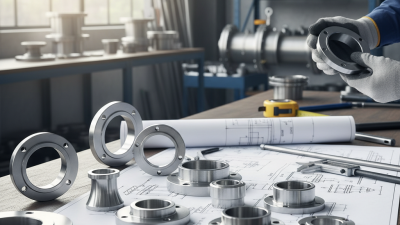
China Top Stainless Steel Flange Fittings Manufacturers?
Choosing China’s top stainless steel flange fittings manufacturers requires more than comparing prices or polished websites. The real test appears in the details: heat numbers, pressure ratings, machining accuracy, surface finish, and traceable inspection records. A reliable supplier should explain whether its flanges meet ASME B16.5, ASME B16.47, EN 1092-1, or another required standard. It should also provide material certificates, dimensional reports, and positive material identification when the application demands it.
Corrosion specialist Dr. Roger Francis offers a useful principle: “Material selection must begin with the service environment, not the catalogue.” This warning matters. Chloride exposure, temperature, pressure cycles, and welding conditions can change the correct stainless grade. The cheapest 316L flange may still fail when fabrication control is weak. That possibility deserves attention.
Look closely.
A serious Chinese manufacturer should show practical experience, not only factory photographs. Ask about forging equipment, heat treatment, CNC inspection, polishing methods, and export packaging. Request samples when tolerances are critical. Review how the company handles nonconforming parts, because mistakes happen even in capable factories.
The strongest candidates combine engineering knowledge with consistent production control. They understand that stainless steel flange fittings connect more than pipes; they support safety, maintenance, and long service life. However, no ranking remains perfect forever. Capacity changes, quality systems weaken, and a familiar supplier may not suit every project. This guide therefore compares China’s leading manufacturers through evidence, technical capability, certification, responsiveness, and customer experience.
What Are Stainless Steel Flange Fittings?
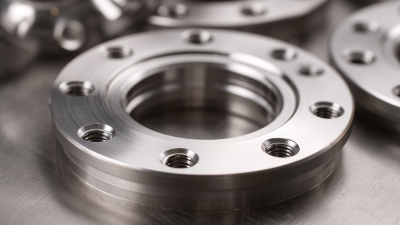
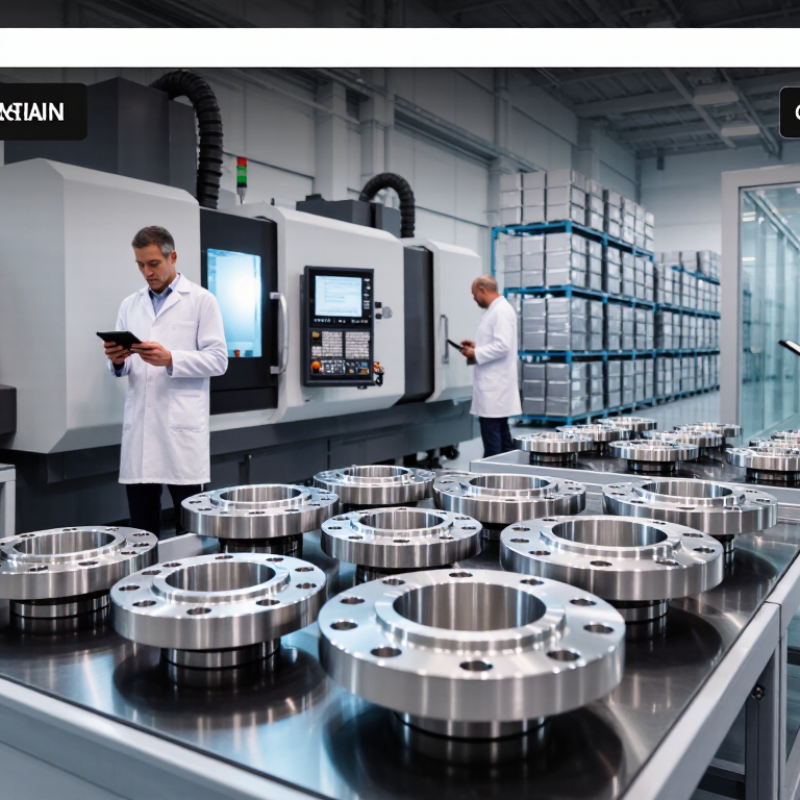
Stainless steel flange fittings are mechanical connectors used to join pipes, valves, pumps, and other equipment. They usually include a flanged face, bolt holes, and a gasketed sealing surface. Bolts provide clamping force. The gasket prevents process fluid from escaping.
Common types include
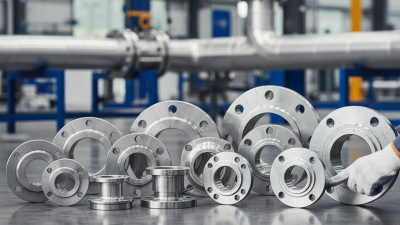
weld-neck, slip-on, blind, socket-weld, threaded, and lap-joint flanges. Each design suits different installation conditions. Weld-neck flanges support demanding pressure and temperature service.
Installation considerations
Blind flanges close an unused line. Threaded types can simplify installation, but they require careful alignment and compatible pipe threads.
Material selection matters. ASTM A182 covers forged stainless steel flanges for pressure applications, while ASME B16.5 defines dimensions, pressure classes, facing details, and bolt-hole patterns. These standards reduce costly fitting errors. They do not remove them entirely. A flange can meet a standard and still fail through poor gasket selection, uneven tightening, or surface damage.
Market demand reflects broad industrial use.
The World Stainless Association reported global crude stainless steel production of about 58.4 million tonnes in 2023.
Grand View Research estimated the global stainless steel market at approximately 130.7 billion US dollars in 2022. These figures suggest strong demand across chemical processing, food equipment, water treatment, and energy projects.
In practical purchasing, buyers should verify material certificates, heat numbers, dimensions, pressure ratings, and inspection records. Corrosion resistance also depends on chloride exposure, temperature, weld quality, and cleaning practices. The fitting is only one part of the joint. The installation is equally important.
How Are Chinese Flange Fittings Manufacturers Classified?
Chinese stainless steel flange fittings manufacturers are commonly classified by production capability, product focus, and quality control. This classification is more useful than ranking suppliers by size alone. A large factory may still lack experience with demanding flange standards.
One group focuses on forged flanges. These manufacturers use heated stainless steel billets, hydraulic presses, and controlled heat treatment. Their products often serve high-pressure piping systems.
Another group specializes in cast or machined fittings. They may offer flexible shapes, smaller batches, and faster customization. However, buyers should inspect surface quality, dimensional accuracy, and material traceability carefully.
There is also a clear difference between integrated manufacturers and trading-led suppliers. Integrated factories usually control forging, machining, testing, and packing under one roof. Their records should include chemical analysis, tensile testing, hardness results, and inspection reports. Trading-led suppliers can still provide value, especially for mixed orders. Yet production visibility may be weaker. Ask who actually makes the fittings.
Manufacturers can also be divided by certification maturity. Some maintain documented quality systems and regular calibration records. Others rely heavily on final visual inspection.
That approach sounds simple, but it can miss internal defects. Look for heat numbers stamped on products, not only printed on paperwork. Small details matter.
The classification is not always clean. A medium-sized factory may outperform a larger competitor in one product range. Buyers should compare samples, audit evidence, lead times, and technical communication. Stainless steel is unforgiving. Poor process control can appear as rust marks, warped faces, or leaking joints months later.
Which Standards Guide Stainless Steel Flange Production?
Stainless steel flange production is guided by several standards, not one universal rule. ASME B16.5 covers dimensions, tolerances, pressure ratings, and facing details for many flanges up to NPS 24. ASME B16.47 addresses larger sizes. ASTM A182 specifies forged stainless materials, including common F304 and F316 grades. These documents work together, but they do not replace engineering judgment.
Regional projects may require EN 1092-1 or ISO 7005 instead. Their bolt-hole patterns, dimensions, and pressure designations can differ from ASME systems. A flange may fit visually and still fail during assembly. Factory checks should include heat-number traceability, positive material identification, flange thickness, bore size, and bolt-hole measurement. Witnessing these checks has shown me one recurring weakness: paperwork is often treated as proof of quality.
Demand for reliable standards is growing with stainless steel use. The International Stainless Steel Forum reported 58.4 million tonnes of global stainless crude steel production in 2023. That volume increases the need for consistent material control and inspection. Buyers should request mill certificates, dimensional reports, pressure-temperature tables, and welding records where applicable. Selecting a “316” flange alone is insufficient. The exact specification, surface finish, schedule, facing, and service temperature must match the piping design. No standard removes every risk. Misreading one suffix can create an expensive mistake.
What Industries Use Stainless Steel Flange Fittings?
Stainless steel flange fittings serve industries that need clean, strong, and maintainable piping connections. Their bolted design allows technicians to inspect, replace, or isolate sections without cutting the entire line. In field work, correct alignment matters as much as material grade. A small offset can stress bolts and create leaks later.
The oil and gas industry uses these fittings around process lines, storage systems, and maintenance areas. Chemical plants select stainless steel for its resistance to many corrosive fluids and temperature changes. Water treatment facilities use flanged connections on pumps, filters, and dosing pipelines. These systems often require frequent inspection. That detail matters.
Food, beverage, and pharmaceutical plants value smooth internal surfaces and cleanable connections. Stainless steel fittings appear near mixing tanks, pasteurizers, purified-water systems, and hygienic transfer lines. Power stations use them in cooling water, steam support systems, and utility piping. Marine equipment also depends on corrosion-resistant connections in wet, salty environments.
Construction contractors install flange fittings in commercial heating, ventilation, and plumbing networks. Material selection still needs careful review. Stainless steel is not automatically suitable for every chemical or service temperature. I have seen specifications overlook gasket compatibility, bolt quality, or drainage needs. These omissions can weaken an otherwise sound installation. Engineers should verify pressure ratings, flange standards, wall thickness, and inspection requirements before production. Manufacturers with traceable testing records provide more dependable support, especially when projects involve difficult access or costly shutdowns.