Quality Products
At a Fair Price
Wholesale Provider
Of Valves & Fittings
- HOME
- Products
- Ball Valves
- Bull Plugs & Swages
- Butterfly Valves
- Check Valves
- Cushion / Flow Tees & Bleed Rings
- Enhanced Oil Recovery
- Floating Ball Valves
- Foot Valves
- Forged Steel Fittings
- Forged Steel Outlets
- Gaskets-Insulation Kits
- Gate Valves
- Gate, Globe & Check Valves
- Malleable Fittings
- Needle Valves
- Nipples
- Piston Valves
- Plug Valves
- Stainless Steel Flanges, Fittings & Nipples
- Strainers
- Studs
- Trunnion
- Unions
- Weld Fittings & Flanges
- Manufacturers
- Advance
- American Block
- Anvil
- Balon
- Bonney Forge
- Champion
- Clayton Mark
- Crane
- Daniel
- DMIC
- GMI
- Galli & Cassina
- Hackney-Ladish
- JMC
- Lone Star
- MATCO
- Marpac-McCanna
- National Flange
- National Gasket
- Nordstrom
- Nutron
- PPI
- SHARPE
- SMI
- TEXSTEAM
- TEX-THREAD
- Titan
- USA Fastner
- Vogt
- Weld Bend
- Westbrook
- Wheatley
- Williams
- WKM
- Wolar
- Locations
- Contact
- Blog
- Careers
- Get a Quote
- HOME
- Products
- Ball Valves
- Bull Plugs & Swages
- Butterfly Valves
- Check Valves
- Cushion / Flow Tees & Bleed Rings
- Enhanced Oil Recovery
- Floating Ball Valves
- Foot Valves
- Forged Steel Fittings
- Forged Steel Outlets
- Gaskets-Insulation Kits
- Gate Valves
- Gate, Globe & Check Valves
- Malleable Fittings
- Needle Valves
- Nipples
- Piston Valves
- Plug Valves
- Stainless Steel Flanges, Fittings & Nipples
- Strainers
- Studs
- Trunnion
- Unions
- Weld Fittings & Flanges
- Manufacturers
- Advance
- American Block
- Anvil
- Balon
- Bonney Forge
- Champion
- Clayton Mark
- Crane
- Daniel
- DMIC
- GMI
- Galli & Cassina
- Hackney-Ladish
- JMC
- Lone Star
- MATCO
- Marpac-McCanna
- National Flange
- National Gasket
- Nordstrom
- Nutron
- PPI
- SHARPE
- SMI
- TEXSTEAM
- TEX-THREAD
- Titan
- USA Fastner
- Vogt
- Weld Bend
- Westbrook
- Wheatley
- Williams
- WKM
- Wolar
- Locations
- Contact
- About
- Careers
- Get a Quote
How to Choose Home Valves for Global Sourcing in 2026?
Choosing home valves for global sourcing in 2026 requires more than comparing catalog prices. A valve may look suitable on a product page, yet fail during installation, pressure testing, or repeated daily use. Buyers must examine material quality, connection sizes, temperature limits, sealing performance, and maintenance access. Small details matter. A stiff handle can frustrate homeowners. A weak thread can cause leaks behind a wall.
This guide explains how to evaluate home valves across different supply markets. It considers supplier capability, factory quality controls, inspection records, product traceability, and documented test results. Reliable suppliers should clearly identify brass, stainless steel, plastic, or composite materials. They should also provide pressure ratings and testing methods that match the intended application. Certifications can support confidence, but buyers must verify their scope and current validity. Local plumbing requirements still matter.
Global sourcing adds practical risks. Thread standards may differ. Packaging may protect the valve but damage its fittings. Shipping delays can interrupt a housing project. A low quotation may hide inconsistent batches or limited after-sales support. That assumption can fail. Even experienced teams sometimes overlook replacement availability.
The best decision balances performance, compliance, landed cost, and long-term reliability. Request samples before placing large orders. Test them under realistic pressure and temperature conditions. Compare several production batches when possible. Keep communication precise, especially about drawings and tolerances. This approach cannot remove every uncertainty. It can make hidden weaknesses easier to detect before they reach homes.
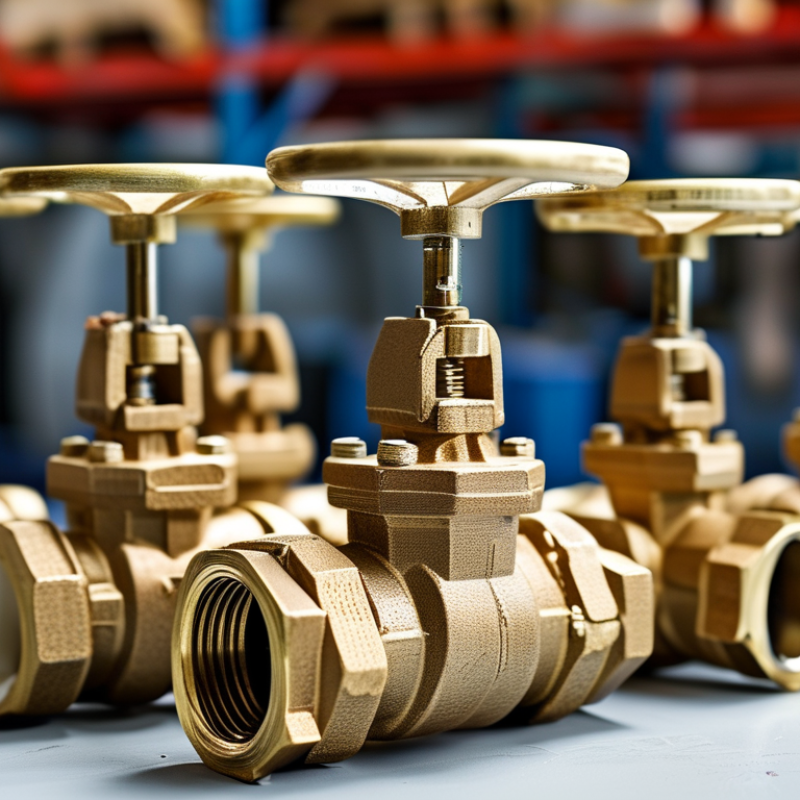
Classify Valve Types by Media, Pressure, Temperature, and Flow Rate
How to Choose Home Valves for Global Sourcing in 2026?
Classify each valve by media, pressure, temperature, and flow rate before comparing suppliers. A common mistake is selecting a valve by pipe size alone. The fluid matters more.
Potable water needs corrosion-resistant, hygienic materials. Wastewater may require wider passages and better blockage resistance. Gas service demands verified sealing performance and suitable installation controls.
Never assume one material fits every application.
Pressure ratings should cover normal operation, pump start-up, and sudden surges. A pressure-reducing valve suits high incoming pressure, while a check valve helps prevent reverse flow.
Ball valves work well for quick isolation. Globe valves offer more controlled throttling, but they can create greater pressure loss.
Compare the working pressure, not only the test pressure.
Temperature changes can quietly damage seals. Hot-water systems need components rated for repeated heating and cooling.
For mixed-water outlets, thermostatic valves can improve user safety and temperature stability. Flow rate needs equal attention.
Check the valve’s flow coefficient, internal passage, and expected pressure drop. An oversized valve may control poorly at low demand.
An undersized valve can cause noise and weak delivery.
A practical sourcing file should include drawings, material declarations, test records, and regional compliance evidence.
Supplier samples should be checked under realistic pressure and temperature conditions.
One uncomfortable lesson is that a neat specification can still be wrong. Recheck the media, especially when installers use local shorthand.
Match Pressure Ratings: PN16, Class 150, and Class 300 Requirements
Global valve sourcing should begin with the actual pressure-temperature conditions, not the lowest quotation. PN16 commonly indicates a 16-bar nominal rating at 20°C under European standards. Class 150 and Class 300 follow ASME pressure classes, not direct bar values. They are not interchangeable. ASME B16.34 requires ratings to vary by material and temperature. For selected carbon-steel valves, Class 150 may be about 19.6 bar, while Class 300 may reach approximately 51 bar at ambient conditions. Confirm the tables.
Water infrastructure also raises the cost of failure. The UN-Water 2024 report states that 2.2 billion people lacked safely managed drinking water in 2022. UNESCO’s 2024 World Water Development Report notes that agriculture uses roughly 70% of global freshwater withdrawals. These figures underline the need for reliable isolation and control valves, especially in irrigation and treatment systems. Still, higher pressure classes do not automatically improve performance. Temperature, corrosion, cycling, and water hammer matter.
Tips: Ask suppliers for pressure-temperature charts, material certificates, hydrostatic test records, and flange details. Match EN 1092-1 PN16 flanges with compatible drilling. For Class 150 or 300, check ASME flange dimensions and facing. Include fluid, design pressure, operating temperature, and shutoff requirements in the request. I once treated Class 150 as a simple “150 psi” label. That assumption was wrong. It can cause costly redesigns. Recheck every rating against the exact material and temperature.
How to Choose Home Valves for Global Sourcing in 2026? - Match Pressure Ratings: PN16, Class 150, and Class 300 Requirements
Pressure-rating comparison and sourcing checklist for residential water, heating, gas, and utility valve applications
| Pressure Rating | Nominal Pressure at Reference Conditions | Approximate Equivalent | Typical Standards | Common Home-Valve Applications | Connection Considerations | Global Sourcing Guidance |
|---|---|---|---|---|---|---|
| PN16 | 16 bar 1.6 MPa Approximately 232 psi |
Not a direct dimensional equivalent to ASME Class ratings. It is often selected for systems requiring approximately 16 bar nominal pressure. | EN 1092-1 for many European flange dimensions; EN 12516 for valve pressure-temperature principles; ISO or regional product standards may also apply. | Cold-water distribution, hydronic heating, water-treatment equipment, irrigation, and general utility isolation. | Check flange nominal size, drilling pattern, face type, gasket requirements, and whether the mating flange uses the same EN system. | Confirm the rating basis, reference temperature, body material, and pressure-temperature chart. Do not assume a PN16 flange mates with a Class 150 flange. |
| Class 150 | Typically about 19.6 bar at ambient temperature for common carbon-steel pressure-boundary materials Approximately 285 psi |
Often compared commercially with about 20 bar, but Class 150 and PN16 are not interchangeable designations. | ASME B16.5 for many flanges; ASME B16.34 for industrial valve pressure-temperature ratings; ASME B16.10 for face-to-face dimensions where applicable. | Residential and light-commercial water systems, heating circuits, compressed-air service, and selected low-pressure process utilities. | Verify ASME flange size, pressure class, facing, bolt circle, bore, gasket, and bolt requirements. Class 150 dimensions differ from EN PN16 dimensions. | Request the exact ASME material group and pressure-temperature table. Ratings vary with material, temperature, valve design, and applicable standard. |
| Class 300 | Typically about 51.1 bar at ambient temperature for common carbon-steel pressure-boundary materials Approximately 741 psi |
Higher than PN16 and Class 150 for many ambient-temperature applications; it should not be substituted solely on the basis of nominal size. | ASME B16.5 for many flanges; ASME B16.34 for industrial valve pressure-temperature ratings; relevant product standards for the valve type. | High-pressure water, steam-related utility service, hydraulic systems, demanding heating applications, and industrial equipment connected to residential facilities. | Use Class 300 mating components and compatible gaskets and bolts. Check face-to-face length, wall thickness, actuator torque, and installation space. | Specify the complete pressure-temperature rating, material, test pressure, end connection, and inspection requirements rather than ordering by “Class 300” alone. |
| Selection Dimension | What to Specify in the Purchase Requirement | Why It Matters | Recommended Verification for 2026 Global Sourcing |
|---|---|---|---|
| Design pressure | Required operating pressure, design pressure, test pressure, and safety margin. | A valve must be rated for the actual system pressure at the applicable temperature, not just the nominal rating printed on the body. | Request a pressure-temperature chart, hydrostatic shell-test value, seat-test value, and documented acceptance criteria. |
| Temperature | Minimum and maximum fluid and ambient temperatures, including short-term excursions. | Pressure ratings commonly decrease as temperature increases, especially for metal alloys, elastomers, and thermoplastics. | Check the rating at the real operating temperature and confirm seat, seal, coating, and actuator temperature limits. |
| Valve type | Ball, gate, globe, check, butterfly, pressure-reducing, or thermostatic valve; include normal flow direction. | Different valve designs have different flow characteristics, shutoff capabilities, pressure losses, and installation requirements. | Match the valve type to isolation, throttling, non-return, or pressure-control service. Avoid using isolation valves for continuous throttling unless approved. |
| Materials | Body, bonnet, stem, disc or ball, seat, seals, fasteners, and internal coating materials. | Material compatibility affects corrosion resistance, potable-water suitability, temperature capability, service life, and pressure integrity. | Request material certificates where required and verify compatibility with water chemistry, glycol, steam, gas, or other media. |
| End connections | Threaded, soldered, press-fit, socket-welded, grooved, wafer, lugged, or flanged connection; specify the regional standard. | Nominal size and pressure class do not guarantee that two components will physically connect. | Confirm thread form, flange standard, drilling, face type, tube outside diameter, gasket profile, and installation clearances. |
| Flow and sizing | Nominal pipe size, required flow rate, allowable pressure drop, and any minimum-flow condition. | Oversized valves can reduce control accuracy, while undersized valves can cause excessive pressure loss, noise, and erosion. | Obtain the applicable Cv or Kv data and size the valve using the manufacturer’s published method for the actual fluid. |
| Compliance | Required market approvals and product standards for the destination country. | Residential water, drinking-water, gas, fire-protection, and heating products may be subject to different mandatory requirements. | Define applicable requirements before quotation, such as potable-water material rules, gas approvals, electrical safety, marking, and traceability. |
| Testing and documents | Inspection plan, sampling level, pressure tests, dimensional inspection, marking, packaging, and document language. | Consistent documentation reduces customs, installation, warranty, and field-replacement risks. | Specify test reports, batch traceability, installation instructions, spare-seal information, certificates, and destination-market labeling. |
Important: PN16, Class 150, and Class 300 are pressure-designation systems governed by different standards. Their pressure values, flange dimensions, materials, and temperature derating rules are not automatically interchangeable. Always select the valve using the complete pressure-temperature rating and verify compatibility with the mating piping system.
Verify Flow Capacity Using Cv, Kv, and Required Pressure Drop
When sourcing home valves globally in 2026, verify flow capacity with Cv or Kv, not pipe size alone. A larger connection can still contain a restrictive passage. Cv describes water flow in US gallons per minute with a one-psi pressure drop. Kv uses cubic metres per hour with a one-bar pressure drop. For water, Kv is approximately 0.865 times Cv.
Start with the required flow rate and available pressure. Then calculate the expected pressure drop across the valve. For water systems, a practical estimate is Cv = Q × √(SG/ΔP), where Q is flow in gallons per minute, SG is specific gravity, and ΔP is pressure drop in psi. For metric calculations, Kv = Q × √(SG/ΔP), using cubic metres per hour and bar. Keep units consistent. This is where many purchasing errors begin.
Do not select the highest advertised capacity automatically. Excessive velocity can create noise, vibration, erosion, or uncomfortable pressure changes at a shower outlet. Check the valve’s rated temperature, fluid compatibility, minimum operating pressure, and partial-opening performance. Ask suppliers for test data, calibration details, and a clear flow curve. I have seen catalog values look excellent, yet real performance weakened through small internal screens and fittings. That lesson is easy to miss. Allow a reasonable margin, but question oversized safety factors. Regional standards and measurement units may differ, so review every calculation with the installation engineer before approval.
Check ISO 5208 Leakage Classes and EN 12266 Testing Requirements
How to Choose Home Valves for Global Sourcing in 2026?
A home valve may look simple, yet its sealing performance decides whether a kitchen stays dry. During supplier reviews, check ISO 5208 leakage classes and EN 12266 testing requirements together. ISO 5208 defines acceptable leakage rates for industrial valves under controlled pressure tests. EN 12266 explains test methods, test fluids, pressure levels, and acceptance criteria. These standards support comparison, but they are not interchangeable labels.
Look closely at the specified class. A tighter class usually demands better machining, cleaner sealing surfaces, and stricter inspection. Ask whether the report covers the shell, seat, and backseat. A seat test alone cannot prove the valve body is safe. For household water valves, confirm the test medium, pressure, duration, valve size, and operating direction. The report should identify the tested sample, not only describe a production model.
Small details matter. A photograph of the test gauge helps. So does a traceable laboratory record. Check whether the test pressure matches the valve’s intended service pressure. A supplier may quote “zero leakage” without naming the standard or class. That wording is too vague. In practical sourcing, buyers often focus on price and overlook testing temperature. That can create problems when rubber seals behave differently in cold conditions. I would also request random pre-shipment testing, although it adds cost. It is not perfect, and one test cannot represent every batch. Still, documented testing gives purchasing teams a clearer basis for selecting reliable home valves across markets.
Home Valve Sourcing in 2026: ISO 5208 and EN 12266 Leakage Classes
Maximum liquid leakage benchmarks for a DN100 valve. Rates B–F are shown using the commonly referenced ISO 5208 / EN 12266-1 nominal-size formula; Rate A requires no visually detectable leakage.
Lower leakage classes indicate tighter shut-off performance. For global sourcing, specify the required leakage rate, test medium, pressure, temperature, test duration, and valve size in the purchase specification. Always confirm the applicable edition and product-specific requirements of ISO 5208 and EN 12266-1 before approval.
Confirm Materials, Certifications, and 2026 Global Sourcing Compliance
How to Choose Home Valves for Global Sourcing in 2026?
Confirm Materials, Certifications, and 2026 Global Sourcing Compliance
A reliable valve decision starts with water quality, pressure, temperature, and installation conditions. Specify the body alloy, seal compound, stem material, and surface treatment. Ask for heat numbers, batch records, and material declarations. For drinking-water systems, confirm that wetted parts meet the destination market’s current safety requirements. Do not accept “food grade” as proof. It is too vague.
Certification must match the product, factory, and destination. Request the full certificate, scope, expiry date, testing standard, and issuing body. Check whether it covers the exact valve size and seal configuration. A logo on a quotation is not evidence. Pressure-test reports should show the medium, duration, pressure, and sample identification. Independent laboratory verification is wise for high-volume orders, especially when subcontractors may change.
For 2026 sourcing, map each destination’s customs, labeling, chemical, recycling, and product-safety obligations before signing a purchase order. Requirements may differ between neighboring markets. Keep declarations, drawings, inspection photos, and corrective-action records in one controlled file. Test samples for leakage, torque, corrosion, and repeated cycling. Some valves pass short tests but fail after months of use. That gap deserves attention. Recheck critical documents before every shipment, not only during supplier approval.
Related Posts
-
2025 How to Choose the Right Globe Valves for Your Projects Effectively
-
Why Are Plug Valves Essential for Industrial Applications?
-
Top 10 Essential Fittings and Valves You Need for Your Plumbing Projects
-
2026 How to Choose Valves Fittings for Your Project?
-
Top 10 Sharpe Ball Valves You Should Consider for Purchase?
-
How to Choose the Best Stainless Steel Weld Fittings?