Top Digital Insights on Forged Steel Fittings for Buyers?
In today's industrial landscape, the demand for forged steel fittings continues to rise. Buyers seek reliable sources and valuable insights to make informed decisions. Understanding the characteristics and applications of forged steel fittings is essential for success. These fittings are known for their strength and durability. They play a key role in various industries, including oil and gas, construction, and manufacturing.
However, not all forged steel fittings are created equal. Buyers often face challenges in distinguishing quality products from subpar ones. It's crucial to evaluate the manufacturer’s reputation and the fittings’ certifications. Buyers should ask themselves: Does the supplier demonstrate expertise and reliability? Are the fittings thoroughly tested? Reflecting on these questions can lead to better procurement choices.
Investing time in research is important. Knowing the latest trends and innovations in forged steel fittings reinforces decision-making. This awareness can help buyers avoid common pitfalls. Engaging with industry experts and seeking reliable information sources will enhance understanding. As the market evolves, staying updated on forged steel fittings is vital for achieving long-term success.
Understanding Forged Steel Fittings: Definition and Characteristics
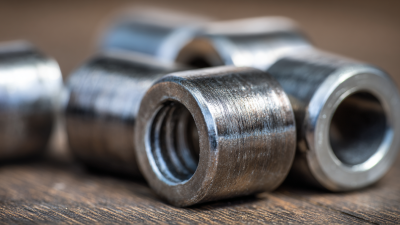
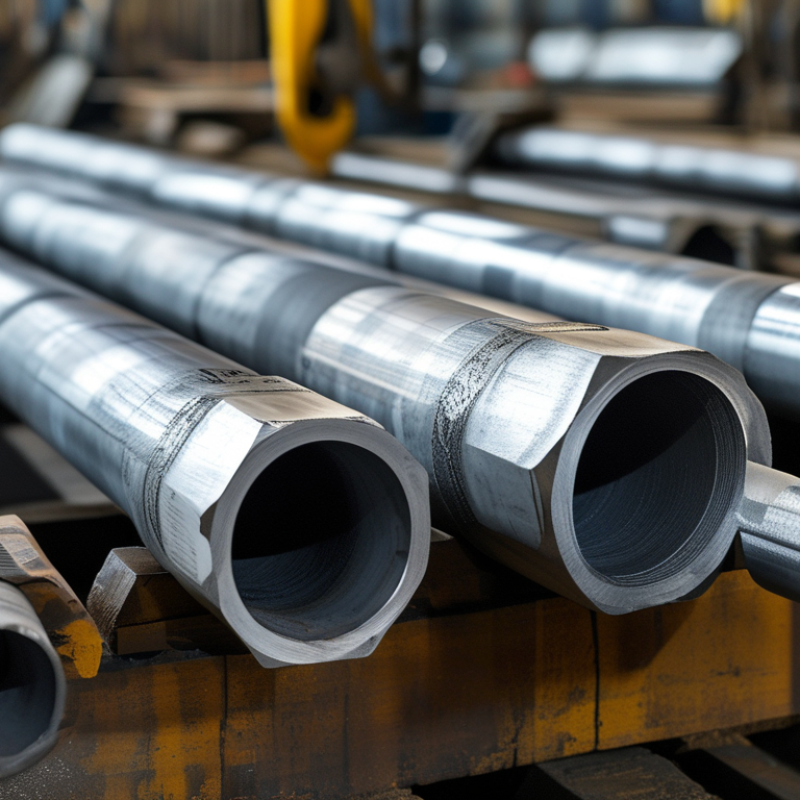
Forged steel fittings are essential components in various industries. They are made by shaping steel using high pressure and temperature. This process enhances the strength and durability of the material, making it ideal for high-stress applications. Forged steel fittings typically exhibit superior mechanical properties compared to their cast counterparts.
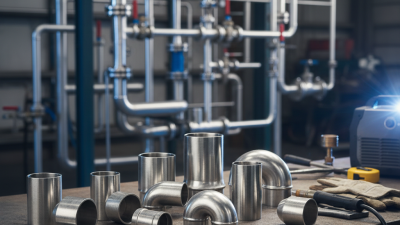
These fittings come in various shapes and sizes, including elbows, tees, and reducers. Each type serves its specific purpose in piping systems. For instance, elbows redirect flow, while reducers manage changes in pipe diameter. The design and characteristics of forged steel fittings allow them to withstand extreme pressures and temperatures, making them a preferred choice in oil and gas applications.
However, buyers must be cautious. Not all forged fittings are created equal. Variations in manufacturing processes can lead to inconsistencies. It's vital to understand the specifications and standards relevant to your project. Pay attention to certifications and testing to ensure quality and reliability. Navigating this complexity can be challenging, but informed decisions lead to successful outcomes.
Key Benefits of Using Forged Steel Fittings in Various Applications
Forged steel fittings have gained popularity in various industries due to their strength and reliability. These fittings are made through a process that involves shaping steel under high pressure. As a result, they often exhibit superior toughness compared to other materials. This toughness is beneficial in environments where pressure and temperature fluctuations occur.
In construction, the ability of forged steel fittings to withstand harsh conditions is critical. They provide excellent resistance to stress and fatigue, making them ideal for pipelines and heavy machinery. Users often find they last longer than alternatives, reducing the frequency of replacements.
**Tips:** When selecting forged steel fittings, consider the specific requirements of your application. Check the temperature and pressure ratings to ensure optimal performance. Remember, using the right fittings can prevent leaks and failures down the line. Regular maintenance can extend the life of these components.
Forged steel fittings also offer aesthetic advantages in certain applications. Their polished surfaces can enhance the overall look of equipment. However, some may find that aesthetic appearances alone don't justify higher costs. Always weigh performance benefits against expenses carefully.
Top Digital Insights on Forged Steel Fittings for Buyers
| Application |
Key Benefits |
Material Properties |
Common Uses |
| Pipelines |
High tensile strength and resistance to pressure |
Excellent ductility and toughness |
Oil and Gas Transport |
| Automotive |
Lightweight yet strong, improves performance |
Corrosion resistant |
Engine Components |
| Construction |
Durability and structural integrity |
Can withstand extreme conditions |
Building Frameworks |
| Marine |
Resistant to saltwater and harsh environments |
Enhanced lifespan in marine applications |
Boat and Ship Components |
| Aerospace |
High strength-to-weight ratio |
Temperature resistant materials |
Aircraft Structure |
Factors to Consider When Purchasing Forged Steel Fittings
When purchasing forged steel fittings, buyers must consider several crucial factors. Material quality is paramount. According to industry reports, about 30% of failures in piping systems arise from inadequate material selection. Buyers should ensure the fittings meet established standards, such as ASTM or ASME specifications, which can significantly enhance safety and longevity.
Dimensions and compatibility are equally important. A misfit can lead to leaks or catastrophic failures. Data from engineering studies show that 25% of system inefficiencies stem from poorly matched fittings. Buyers should verify that the dimensions align with existing pipelines. It’s also wise to consult with experts to navigate the complexities of material grades and pressure ratings.
Cost is a significant factor; however, it should not overshadow quality. A study by an industrial materials association found that investing in higher-quality fittings can reduce long-term costs by up to 20%. Buyers often overlook the potential costs associated with maintenance and replacements. Therefore, weighing initial costs against long-term benefits is essential for an informed decision.
Quality Standards and Certifications for Forged Steel Fittings
When purchasing forged steel fittings, quality standards and certifications are crucial. Different industries have specific requirements. Understanding these standards helps ensure safety and performance. Certification bodies, like ASTM and ISO, establish guidelines for forged steel fittings. These standards dictate material composition, mechanical properties, and testing methods.
Many buyers overlook the importance of these certifications. Some assume that all forged steel fittings are created equal. However, variations can affect durability and reliability. For instance, inch standards versus metric standards can lead to discrepancies in performance. Not fully grasping these aspects can result in costly repairs or replacements.
Quality does not always correlate with price. While higher costs can indicate better manufacturing processes, they are not definitive. Buyers should conduct thorough research. Ask suppliers about certifications and request compliance documentation. Engaging with industry experts can provide further insight. Ultimately, understanding quality standards helps buyers make informed decisions and enhance the safety of their applications.
Market Trends and Future Outlook for Forged Steel Fittings
The forged steel fittings market is evolving significantly, driven by increasing demand across various sectors, including oil and gas, construction, and automotive. According to a recent industry report, the market is projected to grow steadily at a CAGR of 5.3% from 2023 to 2030. This growth is largely fueled by the rising need for durable and high-quality materials that can withstand extreme conditions.
In terms of trends, there is a noticeable shift towards the adoption of eco-friendly manufacturing processes. Many manufacturers are exploring techniques to reduce their carbon footprint. Nonetheless, there is room for improvement in understanding the long-term impacts of these processes. For instance, while some companies claim reductions in emissions, the transparency of their methods remains questionable.
The future outlook also indicates a growing preference for customized fittings. This trend reflects the increasing complexity of projects. However, the custom approach can lead to extended lead times. Buyers should remain cautious, balancing the need for tailored solutions with potential delays. As the market continues to evolve, staying informed on these dynamics is essential for making well-informed purchasing decisions.
Market Trends for Forged Steel Fittings