Top 10 Sharpe Ball Valves You Should Consider for Purchase?
In the realm of industrial applications, the reliability of equipment is paramount. When it comes to control systems, selecting the right components can make a significant difference. According to John Smith, a renowned expert in valve technology, “Choosing the best Sharpe ball valves can enhance both efficiency and longevity in your systems.” This highlights the importance of careful consideration when purchasing these essential components.
Sharpe ball valves are widely recognized for their durability and performance. Industries rely on these valves to manage fluid flow effectively. There are many options on the market, but not all are created equal. Each valve type offers unique features suited for different applications. Understanding these nuances is crucial for making an informed decision.
Moreover, not all Sharpe ball valves are ideal for every situation. Some users experience challenges with compatibility and maintenance. This reality reinforces the need for thorough research before purchasing. By considering expert recommendations and analyzing your requirements, you can invest wisely in the right Sharpe ball valves for your needs.
Overview of Sharpe Ball Valves and Their Applications
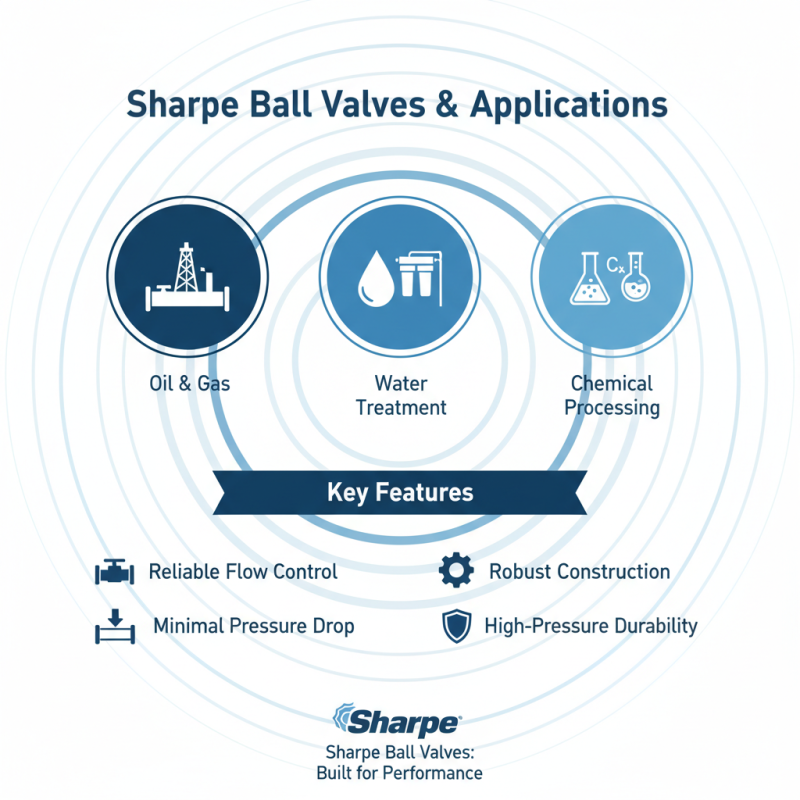
Sharpe ball valves are widely recognized for their reliable performance in various applications. These valves are designed to control fluid flow while minimizing pressure drops. They are commonly used in industries such as oil and gas, water treatment, and chemical processing. Their robust construction ensures durability, making them suitable for high-pressure environments.
The unique design of Sharpe ball valves allows for easy operation. They typically provide a quarter-turn mechanism, which simplifies the opening and closing processes. This feature can enhance efficiency in systems where quick responses are essential. However, it's worth noting that excessive torque during valve operation can lead to faster wear and potential leaks over time. Regular maintenance is crucial to ensure optimal functioning of these valves.
Applications of Sharpe ball valves vary significantly. They can be found in residential plumbing, industrial systems, and even in HVAC setups. Each environment presents its own set of challenges, requiring careful consideration of valve selection. A deeper understanding of these applications can guide users in making informed decisions. While Sharpe ball valves offer many advantages, it’s essential to reflect on your specific needs and operating conditions. This mindset can prevent future issues and ensure a more satisfactory system performance.
Key Features to Look for in Sharpe Ball Valves
When choosing Sharpe ball valves, there are several key features to consider.
Material selection is crucial. Most valves use stainless steel or brass, which can withstand high pressures and avoid corrosion.
A recent report indicated that valves made from high-quality materials have a failure rate of less than 1% in industrial applications.
Another important factor is valve size. Selecting the right diameter is essential for optimal flow rates.
Ball valves are available in various sizes, from small diameters for low-flow applications to larger ones for heavy-duty tasks.
Misjudging the size can lead to flow restrictions, wasting energy and resources.
Durability is also significant. High-quality ball valves are designed to last for years.
However, some lower-quality options may wear down quickly under constant use. According to industry standards, valves should offer
at least 10,000 cycles before significant wear occurs. Choosing reliable valves can save maintenance costs and ensure uninterrupted operations.
Reflecting on these factors can lead to a more informed purchasing decision.
Top 10 Recommended Sharpe Ball Valves for Different Needs
When considering the ideal Sharpe ball valves for your needs, it's crucial to analyze specific requirements and application contexts. The market offers a diverse range. Depending on the application—be it industrial piping, water services, or chemical processing—the right type matters greatly. According to the Global Ball Valve Market Report, the demand for durable and reliable valves will continue growing. This highlights the necessity of selecting high-quality products that suit distinct operational environments.
Different industries have varying standards. For instance, a valve suitable for HVAC systems may not perform well in high-pressure situations. Performance metrics, such as pressure ratings and temperature tolerances, can differ significantly across models. Investment in high-grade materials is essential; reports indicate that composite and stainless steel valves show a markedly longer lifespan and resistance to corrosion. Evaluating these properties will ensure reliability and diminish unforeseen failures.
Moreover, reassessing regular maintenance practices is vital. Users should note that some valve types may require more frequent inspections. While certain models promise lower maintenance, the actual field performance can often reveal discrepancies. Understanding these nuances can lead to more informed choices. Quality can correlate with investment, but not all expensive options guarantee superior performance. Balancing cost with the actual operational needs requires careful consideration and thoughtful selection.
Top 10 Sharpe Ball Valves Comparison
This chart displays the performance ratings of the top 10 recommended Sharpe ball valves. Each valve model's rating reflects its efficiency and suitability for various applications, helping you make an informed purchasing decision.
Comparison of Price and Performance Among Top Sharpe Ball Valves
When considering Sharpe ball valves, price and performance vary greatly. A recent industry report indicates that quality, durability, and fluid compatibility are key factors influencing their performance.
For instance, valves made from stainless steel generally offer better thermal stability. This feature is crucial for high-temperature applications.
In contrast, more affordable options using PVC may suit low-pressure systems. A balance between cost and longevity is essential. Valves with lower initial costs often require more frequent replacements. Therefore, long-term investment matters in the choice of valve materials.
Moreover, performance metrics reveal some surprising results. Flow rates might not linearly correlate with the valve price. Certain mid-range options provide comparable flow characteristics to premium models, often at significantly reduced costs. Such insights highlight the need for a careful analysis of specifications. This process is critical for establishing the best value.
Maintenance Tips for Longevity of Sharpe Ball Valves
Proper maintenance of Sharpe ball valves is crucial for their longevity and efficiency. Regular inspections can help identify issues like leaks and wear. A study by the American Society of Mechanical Engineers indicates that proper maintenance can extend valve life by up to 40%. Preventive maintenance reduces the need for frequent replacements, thus saving costs.
Lubrication is essential to ensure smooth operation. Using the right type and amount of lubricant is necessary to prevent seizing. Operators should pay attention to torque specifications, as incorrect settings can lead to valve failure. Inadequate lubrication can result in increased friction and premature wear. The Valve Manufacturers Association states that 30% of valve failures stem from poor maintenance practices.
Regularly cleaning the valve surfaces is part of good practice. Dirt and debris can obstruct functionality. Additionally, operators should monitor operating conditions closely. Fluctuations in temperature and pressure can severely impact performance. Addressing small issues early can help avoid more significant problems down the line. Routine maintenance is a critical component of effective valve management.
Top 10 Sharpe Ball Valves You Should Consider for Purchase
| Valve Size |
Material |
Pressure Rating (PSI) |
Temperature Range (°F) |
End Connection Type |
Maintenance Tips |
| 1/2 inch |
Stainless Steel |
1500 |
-20 to 350 |
Threaded |
Regular inspection for leaks |
| 3/4 inch |
Brass |
600 |
0 to 250 |
Solder |
Lubricate handles periodically |
| 1 inch |
PVC |
150 |
-10 to 140 |
Socket Weld |
Check seals and replace if damaged |
| 1 1/4 inch |
Carbon Steel |
3000 |
-20 to 400 |
Flanged |
Inspect for rust and corrosion |
| 1 1/2 inch |
Duplex Stainless Steel |
1500 |
-50 to 300 |
Welded |
Regular cleaning to prevent buildup |
| 2 inch |
Nickel Alloy |
2500 |
-50 to 450 |
Victaulic |
Monitor temperature and pressure regularly |
| 2 1/2 inch |
CPVC |
300 |
-20 to 180 |
Threaded |
Inspect O-rings for wear |
| 3 inch |
Aluminum |
150 |
-40 to 200 |
Flanged |
Daily visual inspections advised |
| 4 inch |
Fiber Reinforced Plastic |
150 |
-10 to 140 |
Socket Weld |
Minimize exposure to sunlight |